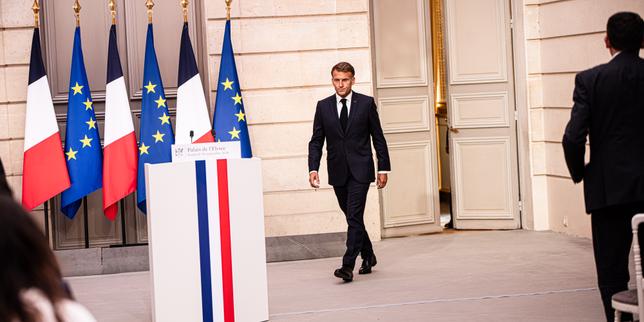
When fuel prices spike and international supply chains fracture, politicians love to reach for quick fixes. They promise price freezes, massive subsidies, or instant relief that looks great on television but collapses under the weight of basic math. Emmanuel Macron’s recent closed-door briefing with key political figures and presidential hopefuls at the Élysée aimed at a hard truth most campaigns want to ignore. The current turbulence at the pump isn't just a domestic inconvenience. It is the direct downstream effect of a severe, multi-front geopolitical crunch.
Understanding why leaders are scrambling requires looking past local gas stations and tracking global choke points. Let's break down what actually happened behind closed doors and why the standard political playbooks are failing.
The Global Fault Lines Driving Energy Costs
France doesn't set global oil prices, and neither does any single ministry in Paris. When fuel costs surge, the root causes usually hide thousands of miles away.
During his briefing with party leaders, Macron pointed to compounding pressures. We are looking at a combination of intense geopolitical friction, security threats involving Russia, and major maritime bottlenecks like the Strait of Hormuz. When regional conflicts disrupt shipping lanes or producer nations scale back output, the shock hits European refiners almost immediately.
Most people don't realize how fragile modern logistics really are. A single geopolitical flashpoint can choke off millions of barrels per day, sending crude prices soaring before a single tanker even changes course. Local taxes amplify the pain at the pump, but the origin of the crisis is structural and international.
Why Quick Political Fixes Backfire
Naturally, opposition leaders rushed out of the Élysée meeting demanding immediate tax cuts or wholesale price caps. It sounds compassionate. Who wouldn't want cheaper gas tomorrow?
Here is the economic reality check. Slashing fuel taxes across the board drains state coffers at a time when public debt is already heavily scrutinized. Worse yet, flat tax cuts subsidize heavy energy consumers and wealthy drivers just as much as they help working-class commuters who truly have no alternative to driving.
When governments cap prices by legislative fiat without addressing supply, shortages follow. Refiners and distributors stop shipping to regions where margins turn negative. You end up trading high prices for empty pumps. Macron’s camp argued that blunt instruments create worse secondary problems, a position that predictably frustrated rivals looking for an easy campaign win.
The Hybrid Threat Reality
The conversation inside the presidential palace wasn't limited to petroleum economics. Officials highlighted escalating hybrid warfare risks, including cyberattacks and sabotage targeting critical infrastructure across Europe.
Security agencies are dealing with a landscape where energy grids, fuel depots, and transport networks face constant probing. Treating these incidents as isolated accidents is a mistake. When critical infrastructure becomes a chessboard, the cost of securing it requires heavy, unglamorous investments in physical protection and cybersecurity.
This creates a brutal political dilemma. Voters want lower prices today, but governments must fund defensive measures to prevent catastrophic disruptions tomorrow. Balancing those two priorities defines the hardest part of executive leadership.
Navigating the Road Ahead
If you commute daily or run a transport-dependent business, macro-level diplomacy feels cold and distant when you look at your receipt at the pump. Targeted relief measures, such as focused allowances for high-mileage workers ("gros rouleurs"), attempt to thread the needle. They provide support where dependency is highest without bankrupting public finances.
The uncomfortable takeaway is simple. The era of cheap, reliable fossil energy insulated from global conflict is over. Future economic stability depends less on magical price decrees and more on accelerating structural independence, bolstering domestic green infrastructure, and hardening supply chains against inevitable shocks. Pretending otherwise is just campaign theater.