Thirteen hours in a metal tube is a long time to test marketing promises. If you're paying thousands of dollars—or burning a huge pile of miles—for Emirates business class, you aren't just buying a seat. You're buying recovery, privacy, and sanity before you land.
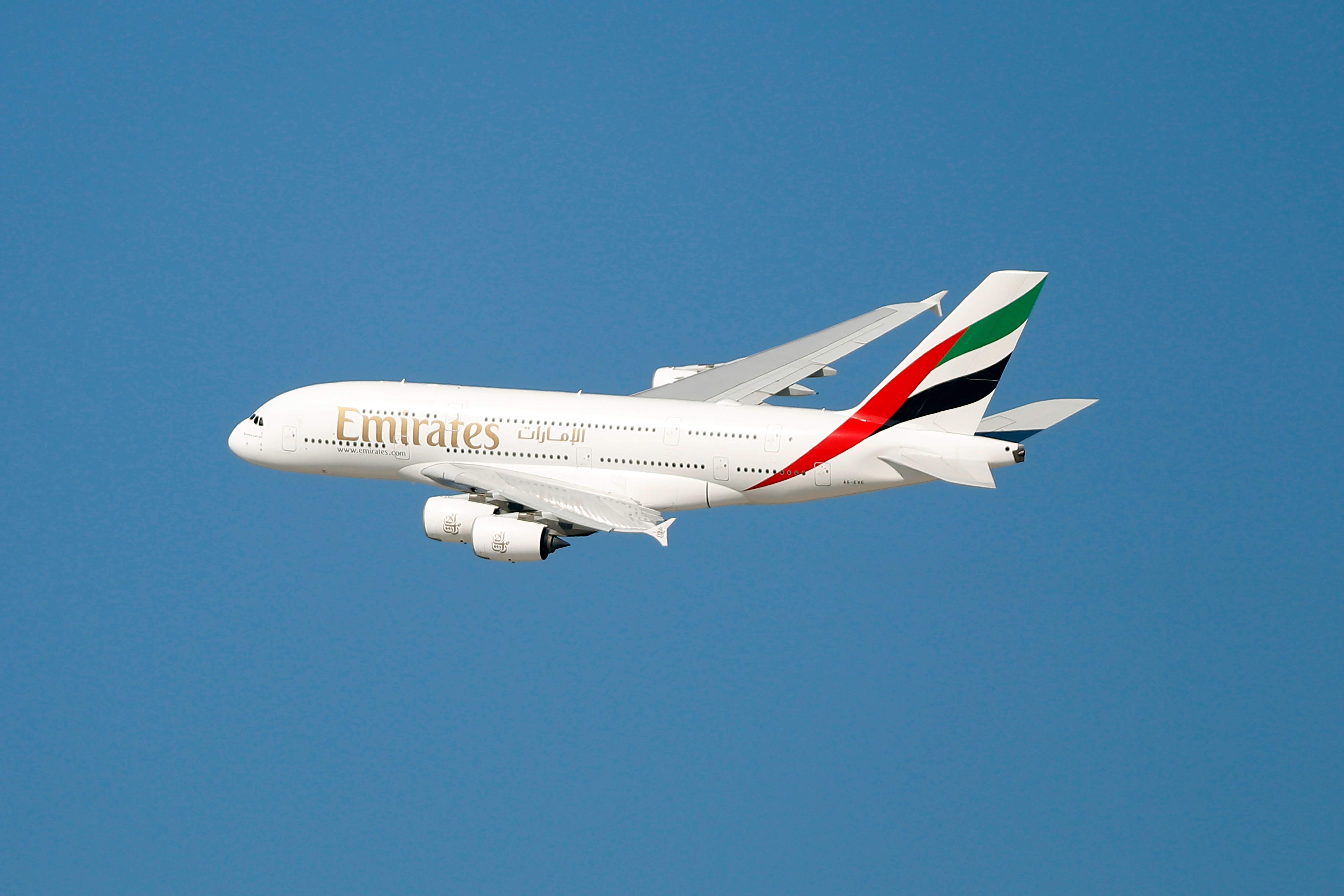
So is it worth it? Honestly, it depends on the aircraft you board. On an Airbus A380 with direct aisle access and the onboard lounge, a thirteen-hour flight feels surprisingly civilized. On an older Boeing 777 with a 2-3-2 layout and angled-flat seats, that same thirteen-hour stretch can feel cramped and frustrating, especially if you end up in a middle seat without aisle access.
A lot of travel hype treats Emirates as a single uniform experience. In reality, the fleet is split across refreshed interiors, older cabins, and newer retrofits. Knowing what changes from plane to plane—and packing a few smart travel essentials—makes all the difference on an ultra-long-haul route.
How Emirates Business Class Actually Feels Over Thirteen Hours
When you fly long-haul, the novelty of champagne and shiny trim wears off around hour four. What matters after that is sleep quality, cabin noise, space to stretch, and whether you have to climb over a stranger to reach the aisle.
On the Airbus A380, business class sits on the upper deck in a staggered 1-2-1 layout, which gives every passenger direct aisle access. That layout alone solves one of the biggest headaches of long flights. Some window seats sit closer to the window with more privacy, while others sit closer to the aisle; picking the right row matters more than people realize. Solo flyers usually prefer true window seats with extra side privacy, while pairs often look at the center E and F seats that sit closer together. Just keep in mind that seats near the rear bar can pick up extra chatter and foot traffic.
The Boeing 777 tells a split story. Older 777-300ER cabins still run a 2-3-2 setup with angled-flat seats rather than a completely horizontal bed, and middle-section passengers don't get direct aisle access. Emirates has rolled out retrofitted 777 cabins featuring a 1-2-1 layout with lie-flat beds and updated finishes, alongside newer aircraft types like the A350 in the wider fleet mix. If you book blindly without checking the seat map and aircraft type, you might get a vastly different bed than you pictured.
Cabin Comfort and Sleep Reality
A lie-flat bed is great on paper, yet sleep on a plane still comes down to temperature, footwell room, and cushioning. Footwells can taper depending on seat design, which bothers side sleepers and tall travelers. If you toss and turn, test the recline and pillow setup early so you aren't adjusting cushions at two in the morning.
Cabin air is dry no matter how fancy the wood trim looks. Even with amenity kits, nice bedding, and attentive crew service, you'll still feel the effects of low humidity and cabin pressure over half a day in the air.
Food, Lounges, and the A380 Bar
Pre-flight lounge access and on-demand or multi-course dining help break up a marathon flight. Being able to eat, rest, and grab a drink on your own rhythm beats rigid meal schedules when your body clock has no clue what time zone it's in.
The A380's rear lounge and bar is genuinely fun for stretching your legs, chatting with other passengers, or grabbing a snack mid-flight. Still, it isn't a quiet library. If you want eight hours of uninterrupted sleep, sitting right next to the social zone isn't ideal.
Mistakes People Make When Booking Emirates Business Class
Even seasoned flyers trip up on details that turn a splurge into a mild letdown.
- Assuming every plane has the newest cabin: Emirates operates multiple configurations across its wide-body fleet, including retrofits and older layouts. Always check the seat map before locking in your ticket.
- Ignoring seat-by-seat quirks: Even inside a 1-2-1 A380 cabin, some seats sit closer to the aisle and others sit closer to the window. Rows near the bar or galleys bring more movement and noise.
- Overlooking fare rules: Discounted business fares can carry restrictions on seat selection or upgrades compared to higher fare buckets. Read the fare conditions rather than assuming every perk is identical.
- Treating business class as a cure-all for jet lag: Better seats help you arrive less wrecked, sure. They still won't reset your circadian rhythm on a thirteen-hour eastbound or westbound jump.
Eight Travel Products That Make a Thirteen-Hour Flight Easier
Airline amenities are nice, yet your own gear is what stays consistent from flight to flight. You don't need a massive bag full of gadgets—just practical items that solve real problems in the air.
- A compact universal power adapter: Power ports and USB layouts vary by seat and aircraft. Having a reliable adapter with multiple ports keeps your phone, tablet, and headphones charged without fighting loose plugs.
- Over-ear noise-canceling headphones: Engine hum and cabin chatter wear you down over thirteen hours. Good noise cancellation makes movies quieter and helps you zone out when you're trying to nap.
- A lightweight, breathable eye mask: Cabin lights flicker on for meal service, crew checks, or early-morning landings. A contoured mask that doesn't press hard on your eyelids makes daytime sleeping much easier.
- Hydrating lip balm and hand cream: Dry cabin air dries out skin fast, especially on overnight legs. Keeping lip balm and a small tube of lotion in your seat pocket saves you from feeling parched and cracked by touchdown.
- A structured tech pouch or cord organizer: Loose cables, adapters, and earbuds disappear into seat pockets and dark cabins. A small zippered pouch keeps everything in one spot so you aren't digging around before landing.
- Compression socks: Sitting for hours at altitude can leave your feet and ankles feeling heavy or swollen. Graduated compression socks are an easy win for circulation on long-haul flights.
- Saline nasal spray or eye drops: Dry air irritates sinuses and contact lens wearers quickly. A quick spritz of saline or a few drops of lubricating drops is a simple comfort boost mid-flight.
- A small pen and printed or offline confirmation details: Immigration forms, Wi-Fi login details, and hotel addresses are annoying to hunt down when your phone battery is low or airport Wi-Fi is spotty. A basic pen still earns its keep on international trips.
Practical Ways to Decide Before You Book
Start by looking at your actual travel goal rather than cabin prestige. If you need to land ready for work, a big family event, or an immediate connection, a true lie-flat seat with direct aisle access on a thirteen-hour flight is worth serious consideration. If you're flying on a tight budget and can sleep decently in economy or premium economy, paying a steep cash fare difference may not move the needle enough.
Next, pull up the exact aircraft and seat map for every leg of your trip before you pay. Check whether the route uses an A380 or a Boeing 777, look closely at the seat layout, and pick a spot that matches how you rest—quiet and tucked away for sleep, or closer to the action if you like mingling. Finally, pack your personal comfort kit ahead of time so you aren't relying solely on whatever is sitting in the seat pocket when you board.