Money doesn't always buy elections. Elon Musk just found out the hard way. Pouring half a billion dollars into the political machine sounds like a surefire way to buy influence, secure allies, and steer the ship of state. Yet, the 2026 midterms didn't just drift off course for his preferred candidates. They capsized completely.
When the dust settled, Democrats delivered a crushing victory that caught mega-donors flat-footed. Now, the world's richest man is left admitting he feels, in his own words, a bit foolish. Meanwhile, you can explore other stories here: Stop Falling for the 2035 Global Religion Panic.
Most political analysts treat campaign finance like a simple math equation. More cash equals more ads, more ground troops, and ultimately more votes. But voters aren't spreadsheets. They smell desperation, they push back against billionaire heavy-handedness, and sometimes they simply want a different direction regardless of how many flashy billboards crowd their commutes.
The Half Billion Dollar Gamble
Let's look at the actual footprint. Pumping roughly five hundred million dollars into congressional races across the country is an astronomical bet. Musk wasn't just throwing pocket change at a few local state senate seats. This capital targeted strategic districts where the balance of power hung by a thread. Super PACs fueled by his network saturated media markets, flooded mailboxes, and dominated digital feeds. To see the complete picture, we recommend the excellent analysis by The New York Times.
The strategy aimed to build an unbreakable legislative firewall. Instead, it triggered a powerful counter-mobilization.
When a single ultra-wealthy figure dominates the financial narrative of an election cycle, the opposition gains a unifying villain. Democratic strategists didn't even need to invent a boogeyman; the checks signed with Musk's name provided all the ammunition they needed. Turnout spiked in unexpected districts. Doorbell ringers who hadn't volunteered in years cited outside billionaire interference as their primary motivation.
You cannot buy authenticity. When voters feel like a corporate titan is trying to purchase a legislature, they often dig their heels in.
Why the Democratic Wave Happened
Midterm elections typically punish the party in the White House. History and conventional wisdom both point to a predictable pendulum swing. But 2026 bucked the trend entirely. Economic anxiety combined with voter fatigue over chaotic political spending created a volatile mix.
Independent voters broke hard toward the left. They looked at the massive influx of tech and corporate money and decided they wanted a check on executive and billionaire overreach.
Grassroots organizing completely outperformed top-down financial saturation. While Super PACs spent millions on algorithmic ad buys that citizens scrolled right past, local campaigns knocked on doors and talked bread-and-butter issues. Healthcare costs, reproductive rights, and stable governance mattered far more to working-class families than ideological culture-war spending sprees funded by Silicon Valley fortunes.
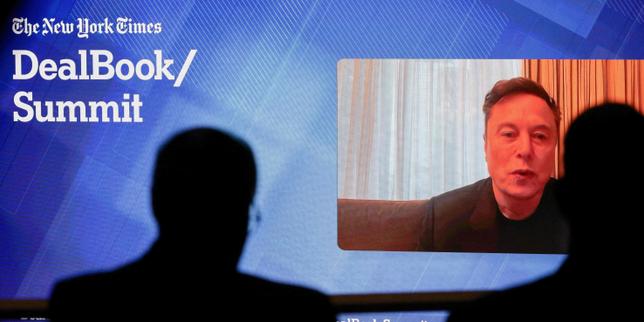
Musk admitted his regret in a moment of rare public candor. He realized that treating politics like an engineering problem doesn't work when human beings refuse to follow the algorithm.
What This Means for Future Elections
Big money isn't leaving politics. Let's be realistic. Billionaires will always find ways to influence public policy. However, the sheer inefficiency of the 2026 midterm bloodbath is forcing a major rethink among conservative mega-donors.
Throwing a mountain of cash at a wall and hoping something sticks is officially dead. Strategy matters more than volume. Smart campaigns will look at this cycle as a warning against heavy-handed outsider intervention. Local candidates need to look local, sound local, and be rooted in their communities, rather than acting as proxy avatars for tech oligarchs.
If you are watching the political landscape shift right now, the lesson is clear. Influence requires trust, not just a blank checkbook. Until donors understand that voters value agency over being bought and sold, expect more billionaire buyer's remorse on election nights to come.