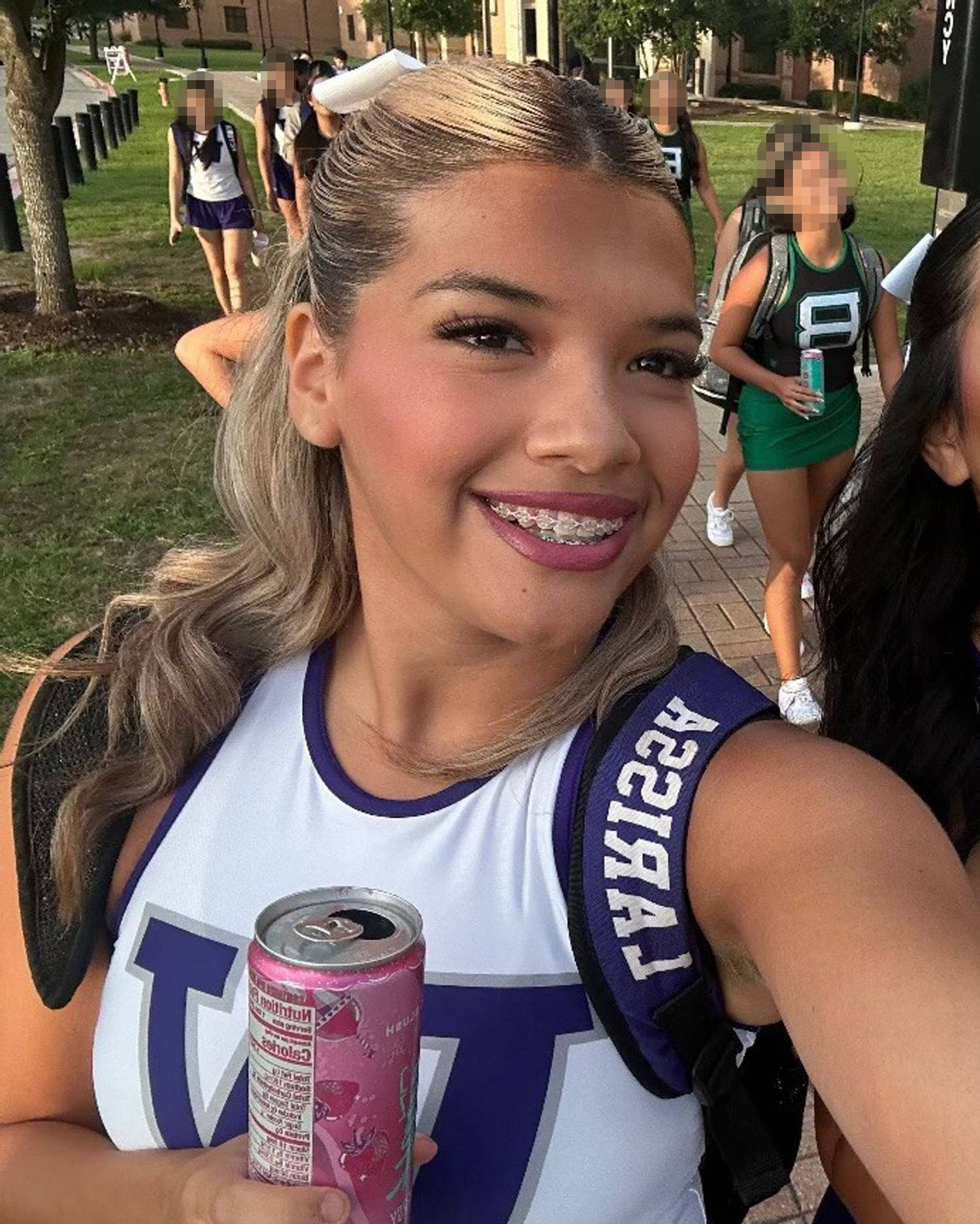
The air in a high school gymnasium smells of floor wax and ambition. It is a specific, pressurized environment where the gravity of teenage social standing meets the literal gravity of a backflip. Here, a sixteen-year-old girl named Lanna Hamann was more than just a student. She was a rhythmic force, a cheerleader who lived for the sharp snap of a synchronized routine and the roar of a Friday night crowd. She was healthy. She was vibrant. She was, by every metric available to her parents, invincible.
Then came the vacation to Mexico. The sun was relentless, the beach was perfect, and the energy was high. Lanna spent her day as many teenagers do—staving off the heat and the fatigue with tall, brightly colored cans of caffeine and sugar. By sunset, she was gone. Her heart, a muscle that had powered her through years of intense athletic training, simply stopped.
The autopsy didn’t find a hidden defect. It didn't find drugs or alcohol. It found a heart that had been pushed past its electrical breaking point.
We treat energy drinks like soda with a secret. We grab them from refrigerated cases at gas stations, nestled right next to the iced tea and the sparkling water, as if they belong to the same family of refreshment. But they don't. While a can of cola might offer a gentle nudge of 35 milligrams of caffeine, its neon-labeled cousins often pack a punch of 160, 300, or even more. And it isn't just the caffeine. It is the chemical cocktail of taurine, guarana, and ginseng—ingredients that, when combined, create a physiological storm the human body wasn't designed to weather in a single sitting.
The Invisible Current
To understand why a heart fails in a healthy teenager, you have to look at the heart not as a pump, but as an electrical grid. Every beat is triggered by a tiny, precise spark. This spark travels through specific pathways, telling the chambers when to contract and when to rest.
Imagine a sophisticated metronome. Under normal conditions, it ticks with a steady, reassuring rhythm. When you exercise, it speeds up. When you sleep, it slows down. But when you flood the system with high-dose stimulants, you aren't just turning up the speed of the metronome. You are introducing static. You are throwing extra sparks into the grid.
For most people, this results in a jittery hand or a fluttering chest—the "caffeine shakes." But for a small, unpredictable percentage of the population, that static leads to an arrhythmia. The heart stops pumping and starts quivering. It becomes a bag of worms, electrically confused and mechanically useless.
Lanna’s family believes she consumed several energy drinks in a short span on that hot afternoon. They weren't aware of the danger. Why would they be? The cans are marketed with the imagery of extreme sports and late-night gaming. They are sold in "mega" sizes that suggest one serving is never enough. We have normalized the idea that human energy is something you buy in a can rather than something you cultivate through rest and nutrition.
The Chemistry of the Crash
There is a biological tax for every artificial high. When you consume a high-potency energy drink, your blood pressure spikes. Your blood vessels actually become narrower, forcing that "electric" heart to work harder against greater resistance. A study published in the Journal of the American Heart Association tracked the physical impact of these drinks and found that they significantly changed the heart’s electrical activity compared to drinks containing caffeine alone.
It is the "entourage effect" of the ingredients that creates the risk. Manufacturers often point to the fact that their caffeine levels are similar to a premium cup of coffee. This is a half-truth that masks a deeper danger. You rarely see a teenager chug three hot, black coffees in twenty minutes while running around in 90-degree heat. But they will do exactly that with a chilled, fruit-flavored energy drink. The delivery system matters. The temperature matters. The sugar-fueled speed of consumption matters.
Consider the physical reality of a cheerleader’s life. It is high-intensity interval training disguised as entertainment. The heart rate is already elevated. The body is already losing electrolytes through sweat. Add a diuretic like caffeine and a stimulant like guarana, and you are effectively asking a car engine to redline while the coolant is leaking out.
The Regulatory Void
In many countries, these drinks are treated as dietary supplements rather than food products. This isn't just a matter of different labels on the back of the can. It is a loophole that allows companies to bypass the stricter limits the FDA places on sodas. It creates a "wild west" of ingredients where the consumer is the primary test subject.
We have laws that prevent minors from buying cigarettes. We have strict age limits on alcohol. We even have regulations on how much lead can be in the paint on a toy. Yet, a twelve-year-old can walk into any convenience store and purchase a liquid that can alter their cardiac rhythm for the price of a few quarters.
Parents are often the last to know because the marketing is designed to bypass them. It lives on Twitch streams, in TikTok challenges, and on the sidelines of youth sports. It is the "performance enhancer" that requires no prescription.
A Quiet Epidemic
Lanna Hamann's story isn't an isolated tragedy. It is a loud, agonizing signal in a sea of quieter data points. Hospital emergency rooms have seen a steady rise in "energy drink-related visits," a category of trauma that didn't exist a generation ago. The symptoms are almost always the same: palpitations, chest pain, tremors, and profound anxiety.
The human body is a masterpiece of balance. We have evolved over millions of years to manage stress, effort, and recovery through a delicate endocrine system. We are now attempting to override that system with synthetic chemistry for the sake of an extra hour of study or a better "vibe" at the beach.
The cost of that override is sometimes a ruined night of sleep. Sometimes it's a panic attack. And sometimes, it's a silent heart in a vacation paradise.
We have a collective habit of waiting for a body count before we change our culture. We wait for the crash to install the stop sign. We wait for the funeral to question the ingredients. Lanna’s mother, Kris Hamann, has spent the years following her daughter's death trying to warn other parents, trying to turn her private grief into a public guardrail.
She isn't fighting against caffeine. She is fighting against the deception of safety. She is fighting the idea that "popular" means "harmless."
The next time you see those bright cans stacked high in a cooler, look past the aggressive fonts and the promises of "extreme" vitality. Think of the gymnasium. Think of the heat on a Mexican beach. Think of a heart that was just trying to keep up with the demands of a sixteen-year-old’s life, until it couldn't hear the rhythm anymore.
A heart is a drum. It should only be asked to play the music it was born to make.