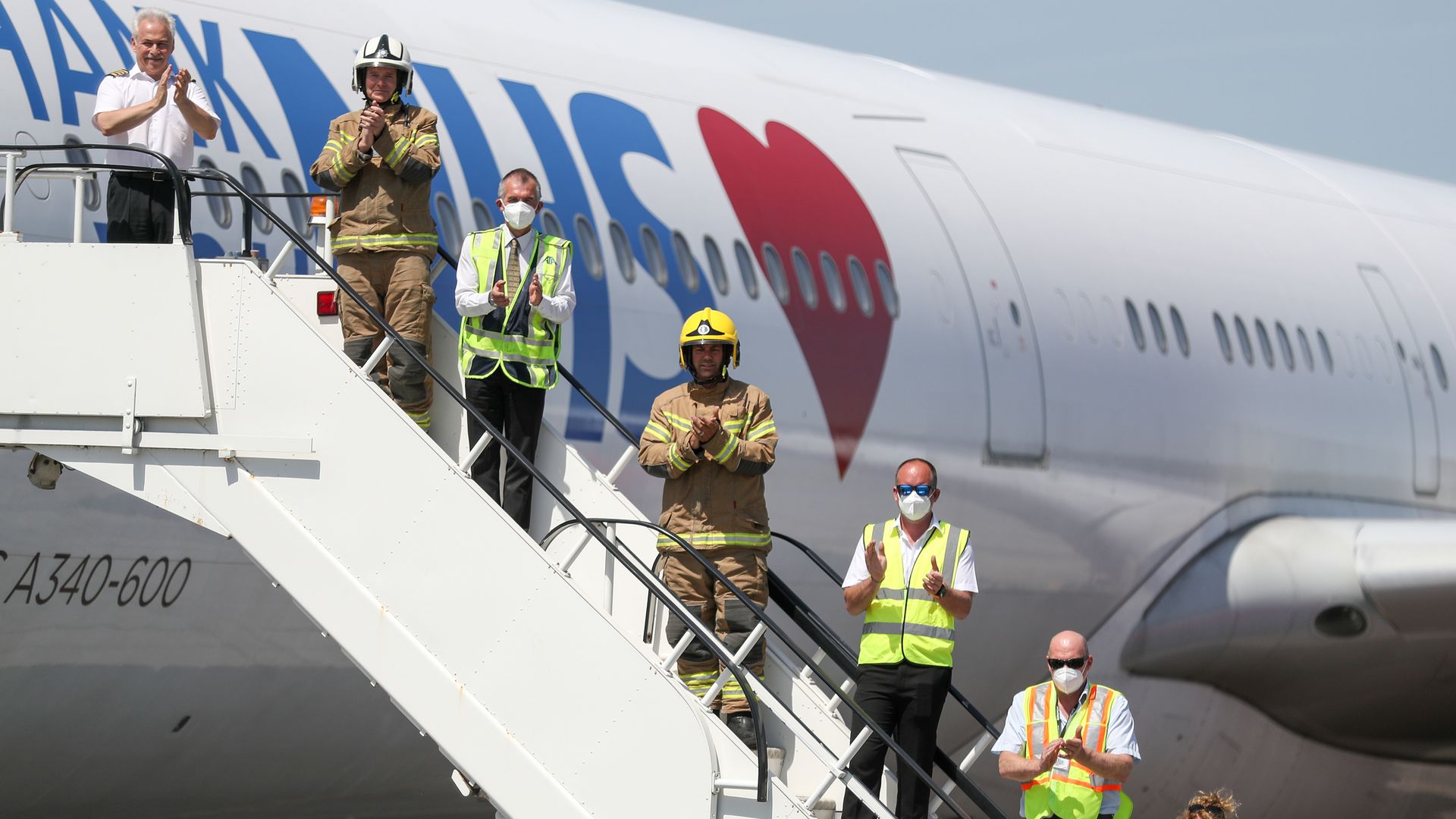
Evaluating secondary market aviation assets requires analyzing residual value curves, regulatory certification friction, and cargo yield density. When mature widebody passenger aircraft transition into dedicated freight operations, the underlying financial calculus shifts from passenger seat-kilometer revenue management to volumetric weight efficiency and cycle-cost amortization. Recent corporate maneuvers surrounding European Cargo, steered by former Formula One team principal Paul Stoddart, offer a case study in asset repurposing. Reacquiring a freight carrier originally stood up during pandemic-era supply chain dislocations demands a rigorous breakdown of structural asset costs, regulatory hurdles, and long-term route profitability.
The Asset Arbitrage Mechanics
The primary value driver in widebody freighter conversion lies in acquisition cost differentials between retired passenger airframes and factory-built cargo variants. Acquiring mid-life quad-jet or twin-jet widebody passenger aircraft at secondary market liquidation prices allows operators to bypass the steep capital expenditure associated with new-generation freighters.
- Residual Airframe Valuation: Purchasing passenger aircraft near the end of their primary utility cycle captures heavy depreciation value, effectively resetting the depreciation clock post-conversion.
- Capital Expenditure Amortization: The expense of Supplemental Type Certificates (STCs) and physical freighter modifications—such as main-deck cargo door installation and floor strengthening—must be offset against lower initial debt servicing.
- Residual Risk Exposure: Operating older airframes introduces non-linear maintenance escalation curves, particularly concerning heavy structural checks and engine-life limited parts (LLPs).
Converting former passenger widebodies into active freighters transforms a depreciating liability into a revenue-generating asset, provided that maintenance reserve funds match the operational intensity of long-haul freight loops.
Regulatory Friction and Certification Barriers
Entering the heavy cargo sector requires navigating intricate regulatory environments governed by authorities like the European Union Aviation Safety Agency (EASA) and the UK Civil Aviation Authority (CAA). Securing an Air Operator Certificate (AOC) and proprietary STCs for main-deck modifications represents a high barrier to entry that protects incumbent operators from rapid market entry.
- Engineering Compliance: Proving structural integrity for main-deck cargo loading configurations demands extensive finite element analysis and flight-test validation.
- Environmental Constraints: Legacy quad-jets or older widebodies face escalating noise and emissions penalties at primary European hubs, forcing operational routing adaptations to secondary airports with lower slot costs.
- Operational Oversight: Maintaining compliance with continuous airworthiness management organizations (CAMO) dictates strict adherence to manufacturer maintenance planning documents, constraining fleet utilization rates if supply chains for spare parts experience bottlenecks.
Yield Management and Route Economics
Unlike passenger networks dictated by hub-and-spoke passenger connectivity, dedicated freight operations rely on point-to-point density and directional imbalance management. Operating long-haul routes between regional UK facilities like Bournemouth and Asian manufacturing hubs requires high payload factors to offset high fuel burn and crew costs.
- Volumetric vs. Gravimetric Density: Cargo yield optimization depends on maximizing space utilization before reaching maximum structural weight limits, particularly when carrying low-density, high-volume goods.
- Directional Trade Imbalances: Chronic imbalances in global trade create eastbound and westbound yield discrepancies, necessitating dynamic contract pricing to ensure return-leg profitability.
- Alternative Charter Integration: Blending scheduled route frequencies with ad-hoc charter capabilities provides revenue hedging against spot-market volatility in global freight rates.
Capital Structure and Strategic Exit Dynamics
The financial architecture supporting specialized cargo airlines dictates their survival through macroeconomic cycles. Heavy initial backing combined with structured debt requires disciplined cash flow management, especially as pandemic-era emergency procurement contracts transition into commercial market competition.
- Sponsorship and Backing: Aligning private equity or private holding structures with experienced operational leadership provides the liquidity runway necessary to absorb heavy maintenance events.
- Exit Liquidity Pathways: Consolidation within the mid-tier cargo sector creates strategic acquisition targets for logistics conglomerates seeking immediate widebody capacity slots.
Execute fleet expansion by phasing structural airframe acquisitions strictly alongside certified maintenance slot availability, insulating cash reserves from unexpected regulatory compliance delays while locking in long-term capacity contracts with major logistics forwarders.