Municipal economic stimulus strategies increasingly rely on concentrated calendar scheduling to drive velocity in consumption expenditure. Recent public disclosures regarding Hong Kong fiscal performance outline a targeted framework: over one hundred and thirty localized programs executed during the initial half of the fiscal cycle yielded 1.75 million participant arrivals, translating directly to HK$5.8 billion in direct consumption and HK$3.3 billion in calculated value-added output. Evaluating these metrics requires breaking down the core mechanics of state-backed event economics, separating headline indicators from net economic yield, and analyzing the structural limitations inherent in high-frequency festival strategies.
The Structural Anatomy of Event Driven Value Creation
Public sector fiscal injections into large-scale festivals operate through a multi-tiered transmission mechanism. Direct consumer expenditure represents only the initial vector of economic activity. The monetary velocity generated by tourist inflows flows across three distinct operational layers: primary ticket acquisition and hospitality spending, secondary micro-economic spillovers within adjacent retail zones, and tertiary brand equity accumulation affecting long-term municipal positioning.
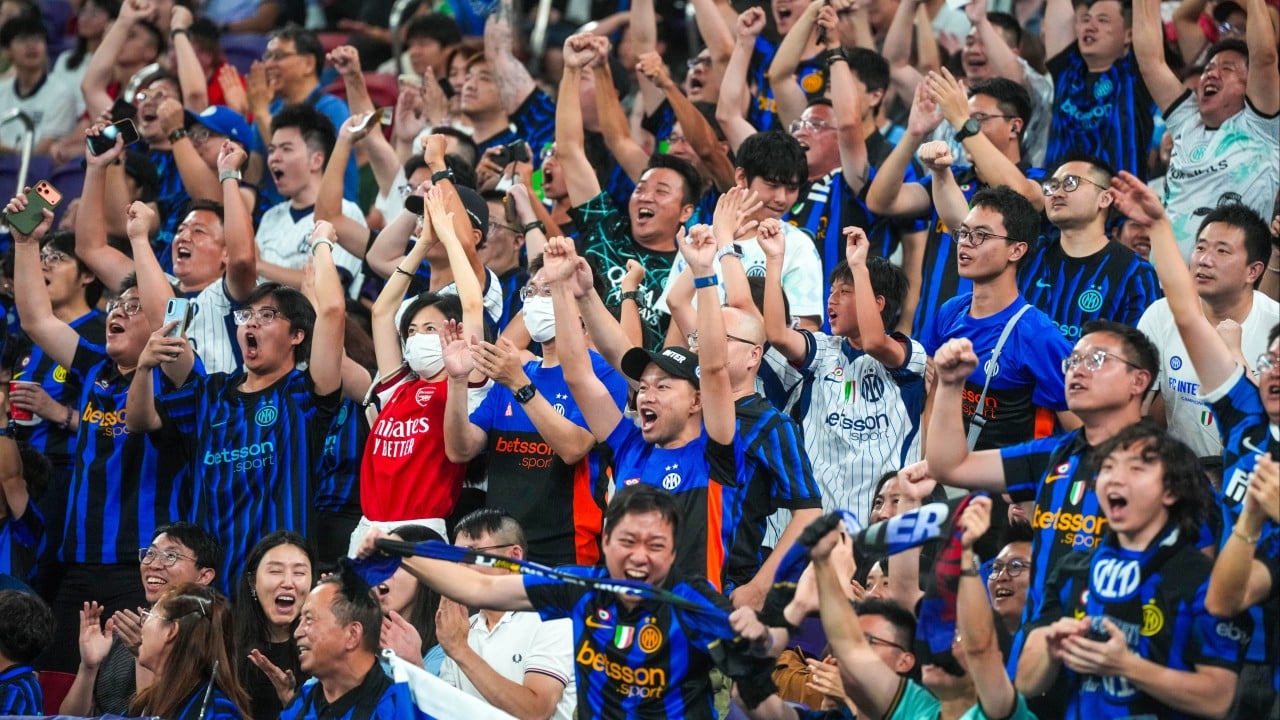
For instance, localized sports administration metrics from events hosted at high-capacity regional assets like the Kai Tak Sports Park demonstrate clear localized multipliers. Three high-profile football matches drawing over 120,000 aggregate spectators generated upwards of HK$180 million in baseline ticketing revenue. Crucially, perimeter data indicates adjacent food and beverage operations realized a twenty percent top-line expansion during identical operational windows. This occurs through coordinated commercial adaptations, including ticket-stub promotional tie-ins, structured dining markdowns, and integrated municipal transport adjustments designed to extend dwell time within the immediate commercial radius.
The Multiplier Efficiency Equation and Its Constraints
Attributing aggregate retail stabilization exclusively to event scheduling introduces analytical distortion. While municipal reports emphasize fourteen consecutive months of positive retail momentum—anchored by a 9.6 percent aggregate expansion during the first half of the cycle—isolating the event-specific variable from baseline secular trends remains a primary operational challenge for fiscal analysts.
Total Economic Output = (Direct Tourist Expenditure × Velocity Multiplier) - Leakage Factor
The net economic value added of HK$3.3 billion derived from HK$5.8 billion in gross spending highlights an implicit multiplier of approximately 0.57. This ratio reflects structural leakages common to service-heavy municipal economies, where imported consumable goods, cross-border corporate profit repatriation, and high fixed operating overheads capture a significant portion of gross nominal intake.
Furthermore, event-driven density introduces logistical cost functions that offset gross intake margins. Transportation grid congestion, localized crowding externalities, and elastic labor cost spikes during peak event weekends impose hidden operational expenses on small-to-medium enterprises that do not directly interface with the tourist demographic.
Scalability Thresholds for the Secondary Calendar Half
Projections for the subsequent operational period target over one hundred scheduled programs designed to pull in 1.85 million visitors, generating an anticipated HK$5.9 billion in consumption outlay. Achieving these targets depends on diversifying away from pure entertainment spectacles toward institutional and trade-oriented conventions.
The incorporation of the Asia-Pacific Economic Cooperation Finance Ministers Meeting shifts the programmatic focus from retail consumption to high-value capital allocation and diplomatic networking. Institutional-grade convenings alter the expenditure profile by attracting high net-worth delegates whose per capita economic footprint vastly exceeds that of leisure tourists. This structural pivot addresses the yield compression problem typical of high-volume, low-margin retail tourism, substituting mass volume with high-value transactional potential.
Resource Allocation Playbook for Commercial Stakeholders
To capture sustainable margin from municipal event calendars without relying on volatile consumer sentiment, commercial operators must reengineer their operating models around three strategic directives:
- Dynamic Capacity Scaling: Align frontline labor and perishable inventory procurement directly with verified ticket-allocation metrics released by municipal tourism boards, avoiding uniform staffing models across non-event windows.
- Ecosystem Integration: Establish cross-sectoral partnerships between hospitality venues and cultural institutions early in the scheduling lifecycle, utilizing cross-validation mechanisms like verified ticket stubs to secure high-margin foot traffic before peak compression hours begin.
- Yield Protection Hedging: Implement tiered pricing structures during high-density event blocks to insulate operating margins against localized logistical friction and transport surcharges.