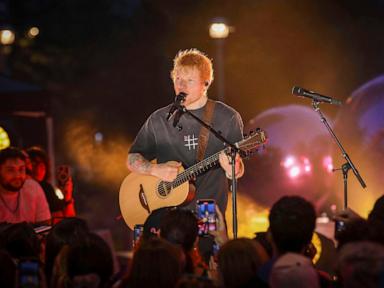
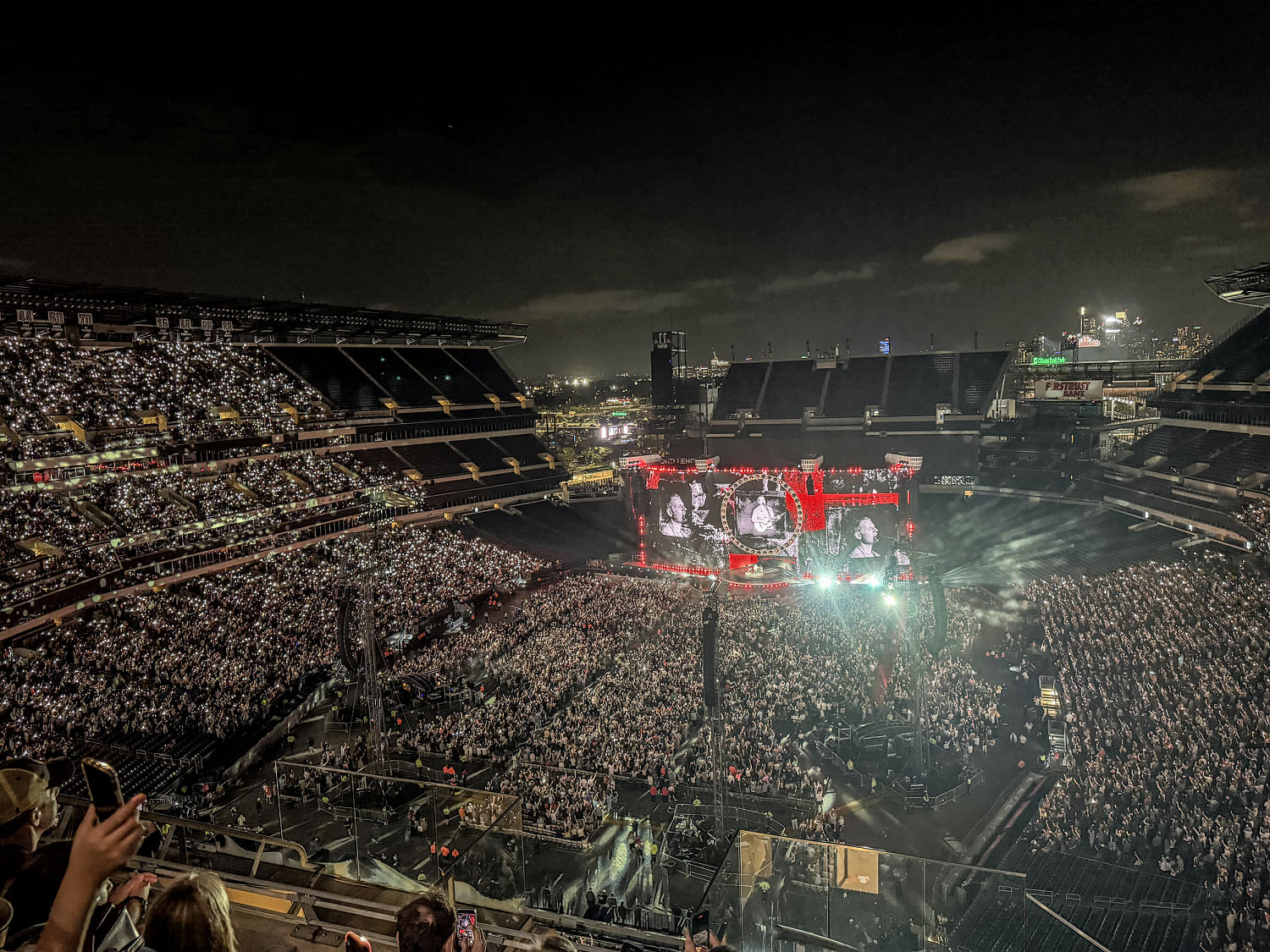
When an internationally touring recording artist addresses an ongoing geopolitical conflict from a stage, the immediate public reaction bifurcates into moral applause and cynical condemnation. This bimodal response treats the intervention as a purely ideological gesture. That framework is analytically deficient. A high-profile musical performance is not merely an artistic product; it is a complex, capital-intensive media event operating within a risk-managed corporate infrastructure. Evaluating Ed Sheeran opening a solo concert with remarks concerning the situation in Gaza requires stripping away the rhetoric to examine the systemic mechanics of cultural diplomacy, brand exposure, and audience fragmentation.
Every stadium-scale concert is underpinned by a risk matrix. Touring entities, corporate promoters, and brand partners spend millions mitigating variables that could disrupt ticket sales, venue permits, or public relations. When an artist introduces a politically charged topic like the humanitarian crisis in Gaza, they introduce an unhedged variable into a controlled financial ecosystem.
The immediate effect is audience polarization. In any mass demographic, consumers are clustered along a spectrum of political alignment and apathy. A public statement on a contentious foreign policy issue forces a recalibration of consumer sentiment.
The transmission mechanism operates through three distinct vectors:
First, media amplification converts a localized stage comment into a global news cycle. The economic value of this amplification is ambiguous. While it generates free impressions, it disrupts the predictable cadence of promotional campaigns designed to drive ticket sales for upcoming tour legs.
Second, corporate stakeholder sensitivity dictates that sponsors, streaming platforms, and venue operators evaluate association risk. Large brands operate on tight risk thresholds; controversy often prompts defensive distancing, even if the artist's core demographic remains unaffected.
Third, the artist's brand equity shifts from entertainment utility to ideological association. For consumers who view music as a neutral escape, political commentary creates friction. For consumers who prioritize artist authenticity and moral alignment, it reinforces loyalty.
Discussions regarding celebrity activism often default to binary assumptions: either the artist is leveraging their platform for genuine moral impact, or they are engaging in calculated performative posturing. Both models fail to capture the operational reality.
The incentive structure of modern celebrity dictates that public figures operate as media nodes. Silence on a dominant global crisis carries an opportunity cost in the form of credibility erosion among politically active younger demographics. Conversely, speech carries an immediate cost in alienation and security overhead. The decision to speak is therefore a risk-management calculation balancing the loss of alienated ticket buyers against the retention of core cultural influence.
Furthermore, the geographical context of the performance alters the cost-benefit calculus. Different territories exhibit distinct tolerances for public commentary on Middle Eastern geopolitics. Local laws, venue ownership structures, and regional media ecosystems dictate the velocity and severity of pushback. A statement delivered in a market with high political sensitivity triggers rapid institutional friction, whereas a market characterized by high political apathy treats the moment as transient noise.
Public commentary by cultural figures rarely shifts geopolitical outcomes. The mechanisms of international conflict are governed by state actors, military logistics, and diplomatic leverage—variables entirely insulated from stadium acoustics. However, cultural interventions alter the domestic discourse environment within the artist's home market and fan base.
By injecting a complex foreign policy crisis into a space dedicated to commercial entertainment, the artist forces a temporary collision between the consumer economy and global reality. The resulting friction exposes the fault lines of modern attention economies, where emotional resonance is monetized, and political suffering is filtered through the lens of celebrity reach.
The long-term trajectory of artist-led political commentary points toward increasing audience compartmentalization. As global information networks atomize consumer bases into ideologically distinct cohorts, mass-market appeal becomes harder to maintain without causing friction. Artists navigating this landscape must choose between broad, frictionless commercial entertainment and specialized, value-aligned community building. The integration of geopolitics into live performance marks a permanent shift away from the sanitized neutrality of twentieth-century pop stardom, establishing an operating environment where cultural capital and political risk are inextricably bound.