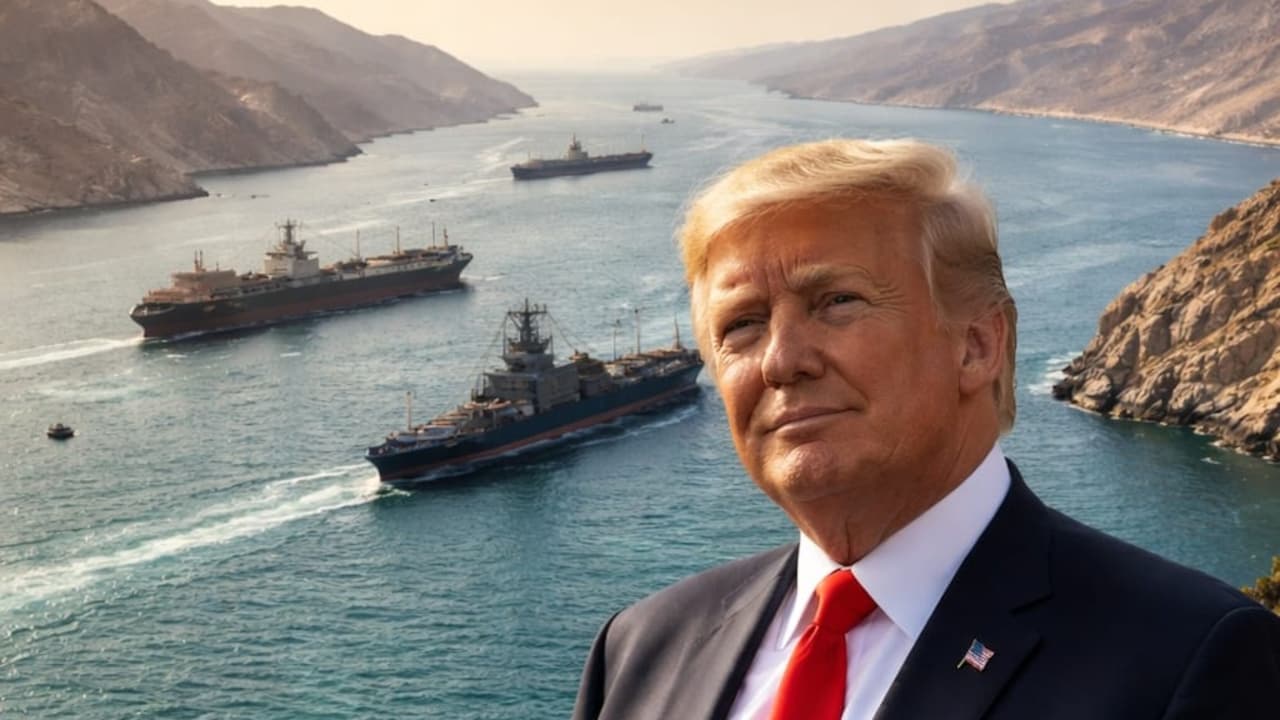
Global trade architecture rests upon physical geographical vulnerabilities known as maritime chokepoints. Among these critical nodes, the Strait of Hormuz occupies a singular position, managing roughly one-fifth of global petroleum and liquefied natural gas flows. For decades, the security architecture maintaining this passage operated on a principle of American underwriting. The United States Navy absorbed the capital expenditure and operational costs of maintaining open sea lanes, treating global trade freedom as a public good that subsidized international commerce. Recent policy shifts challenge this foundational assumption, replacing the public-goods model with an explicit transactional framework. When security is treated as a private good rather than an unpriced externality, the fundamental equations governing international shipping, energy markets, and alliance structures undergo a systemic overhaul.
The public goods dilemma in naval defense represents a core structural friction in modern international relations. In economic theory, national defense is a classic public good: non-excludable and non-rivalrous. When applied to international waters, this principle expands to include foreign-flagged vessels transporting goods for third-party states. The United States military incurs billions of dollars in annual outlays maintaining strike groups, mine countermeasures, and intelligence-surveillance-reconnaissance networks in the Persian Gulf region. Yet, the commercial beneficiaries of this security umbrella include economies that contribute little to the underlying operational costs. Asian manufacturing hubs, European importers, and regional exporters derive economic stability from the uninterrupted transit of tankers without paying proportional insurance or security rents. This structural divergence creates a persistent free-rider problem, where the provider of security bears the entire deficit while the returns are globally distributed. In other updates, we also covered: Stop Buying The Paris Perfume Show Bounties On Ghost Terrorists Are Just Accounting Tricks.
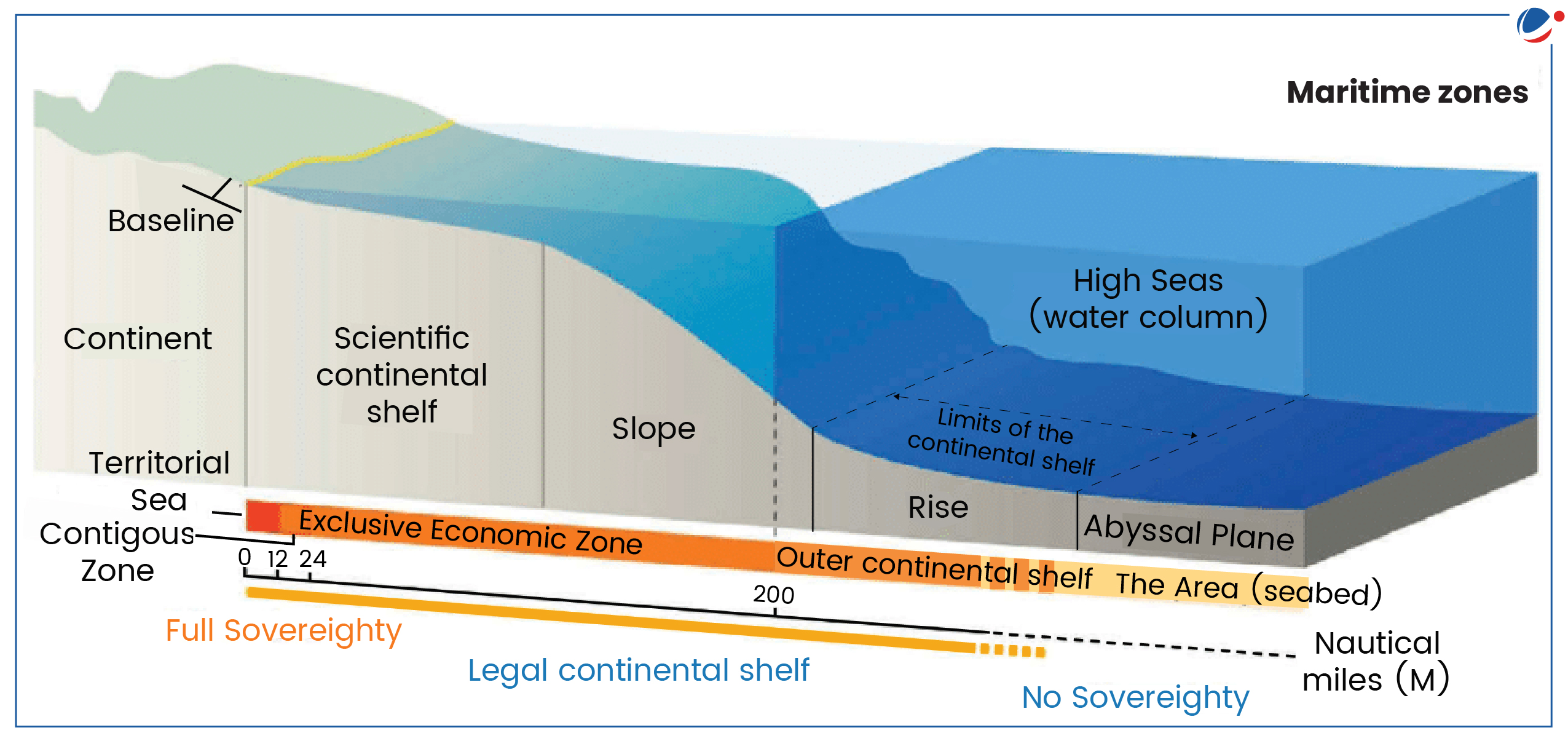
Proposals to exact financial reimbursement or impose transit fees—such as a percentage levy on cargo moving through secured lanes—introduce a market mechanism into sovereign defense operations. From a financial perspective, this shifts the cost burden from domestic taxpayers to commercial operators and consumer nations. However, implementing such a mechanism presents profound legal and logistical frictions. Establishing a sovereign toll booth in international waters violates centuries of customary international law regarding freedom of navigation enshrined in frameworks like the United Nations Convention on the Law of the Sea, even if the enforcing power exercises hard military dominance. Commercial carriers faced with direct security surtaxes will reprice supply chains, passing costs downstream to end-users and altering trade route economics. The elasticity of demand for energy commodities dictates that any added transactional friction will be absorbed unevenly across importing nations, penalizing countries with lower supply-chain diversification.
The intersection of military enforcement and commodity pricing dictates the immediate fallout of chokepoint friction. When military operations restrict or regulate maritime traffic, risk premiums embed themselves instantly into futures contracts for crude oil and liquefied natural gas. Traditional economic assessments assume that security costs are absorbed by state budgets as a function of geopolitical strategy. Under a reimbursement or fee-based framework, these costs become direct operational variables for energy logistics. Refiners must factor in both transit security fees and elevated insurance underwriting rates. This dual-cost structure exerts upward pressure on baseline energy costs, affecting petrochemical manufacturing, power generation, and transportation networks worldwide. The long-term equilibrium depends entirely on whether the security provider can suppress transit risk sufficiently to offset the added administrative and financial overhead of the toll. Associated Press has analyzed this fascinating issue in extensive detail.
Transatlantic and bilateral defense arrangements are severely strained when security guarantees are explicitly monetized. For decades, mutual defense pacts relied on strategic ambiguity, where burden-sharing disputes were managed through diplomatic friction rather than direct balance-sheet accounting. Demanding retroactive or ongoing compensation for regional security operations transforms allies into clients and strategic partners into transactional counterparties. European and Asian capitals face a complex optimization problem: absorbing the financial demands of American security guardianship or investing in indigenous blue-water naval capabilities. Given the immense capital intensity of modern naval power projection, independent capability development remains out of reach for most states, leaving them structurally dependent on American protection despite the rising financial friction. This dependency dynamic alters diplomatic leverage, subordinating long-term security cooperation to short-term fiscal negotiations.
The strategic implications extend deep into supply chain resilience and sovereign risk assessment. Importers of Middle Eastern hydrocarbons can no longer treat transit security as a zero-cost background condition. Corporate risk management frameworks must now account for sovereign volatility regarding maritime access fees. Companies operating fleets through high-risk corridors face compressed profit margins unless they can successfully pass the tariff burden onto end markets. This environment accelerates efforts by major importing nations to diversify energy portfolios, seeking overland pipelines, renewable alternatives, or non-Gulf suppliers to bypass maritime choke points entirely. However, structural substitution of energy infrastructure requires decades of capital investment, leaving importing economies vulnerable to immediate price shocks induced by naval policy shifts.
The shift toward transactional maritime security marks a permanent departure from post-Cold War assumptions of frictionless globalization. As military dominance becomes explicitly tied to commercial toll collection, international trade routes will transform from neutral conduits into priced infrastructure assets. Future stability in energy markets will not depend on the absence of conflict, but on the predictability of the security tariff imposed by the dominant naval power. States that fail to secure bilateral accommodations or adapt their supply chain cost models will face severe competitive disadvantages in global commodity markets. The ultimate resolution will not be a return to unpriced open seas, but a fragmented architecture of managed corridors where access is strictly indexed to financial contribution. Strategic planning must therefore pivot from expecting open access to pricing security as a permanent, variable-rate input cost in global trade.