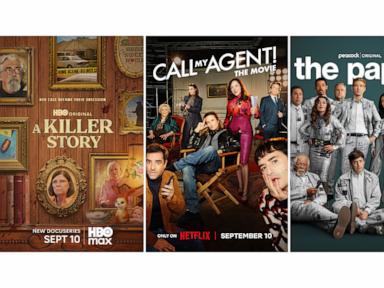
Digital media aggregation operates on an attention-scarcity model where consumer choices are driven less by absolute quality and more by platform distribution friction. When analyzing weekly entertainment release schedules—such as the digital drops of franchise revivals like the Call My Agent feature film, asymmetrical multiplayer adaptations like Halloween The Game, or episodic television extensions like The Paper—audiences face a structural overload. Understanding how these distinct cultural units compete for finite user hours requires evaluating the underlying mechanics of format translation, intellectual property monetization, and platform-specific release architectures.
The Mechanics of Intellectual Property Extension
The translation of a localized television success into a feature-length streaming asset, exemplified by the transition of Call My Agent to Netflix, relies on pre-existing equity to lower user acquisition costs. Serialized formats carry built-in audience retention metrics, but shifting mediums introduces a distinct structural hazard pacing compression.
Television relies on episodic tension loops where narrative stakes reset across seasons, whereas feature films demand a condensed, high-density conflict arc. When an established ensemble cast transitions from agency management politics to a disastrous film production setting, the value proposition to the consumer rests on functional nostalgia coupled with format novelty.
The economic efficiency of this model is straightforward:
- Zero explanatory overhead since character dynamics are pre-established.
- Immediate cross-border distribution via global streaming infrastructure.
- Built-in PR velocity driven by existing fan base networks.
However, the risk profile involves alienating casual viewers who lack contextual background, creating a high-churn entry point for non-subscribers.
Asymmetrical Engagement Models in Interactive Media
In the interactive entertainment sector, digital distribution models have shifted toward service-based multiplayer frameworks that prioritize retention loops over linear completion. The release of licensed adaptations like Halloween The Game by IllFonic demonstrates a precise formula within the asymmetrical multiplayer genre.
The structural blueprint relies on a one-versus-four dynamic that mirrors established titles in the developer's portfolio, such as Friday the 13th or Predator Hunting Grounds. This design choice optimizes balance through asymmetry:
- One high-power entity controls a recognizable antagonist archetype with dominant capabilities.
- Multiple lower-power entities rely on cooperation, resource management, and environmental navigation to survive.
This architecture exploits the psychological mechanics of variable reward schedules and social pressure. The marginal cost of adding a recognizable horror intellectual to an established game engine is offset by the longevity of the multiplayer loop, turning a single-player cinematic experience into a recurring retention vehicle.
Episodic Serialization and Platform Retention
The survival of episodic streaming content, represented by returning sophomore seasons of workplace comedies like The Paper or independent music platform drops, depends on minimizing audience drop-off between release intervals. Unlike traditional broadcast networks that relied on fixed weekly schedules to anchor advertising revenue, subscription video-on-demand platforms utilize binge models or staggered weekly releases to manage user churn.
When a platform deploys a second season of a niche comedy or a legacy band releases new studio material, the operational objective is portfolio diversification. Platforms cannot rely solely on tentpole blockbusters; they require low-variance, high-affinity titles that capture micro-segments of the subscriber base. The efficiency of a content catalog is measured by its ability to engage distinct demographic cohorts simultaneously, reducing the likelihood of subscription cancellation during off-peak viewing months.
To optimize media consumption efficiency within high-saturation digital ecosystems, filter content choices by platform distribution mechanics rather than aggregate critical reception alone, matching format lengths to available cognitive bandwidth.