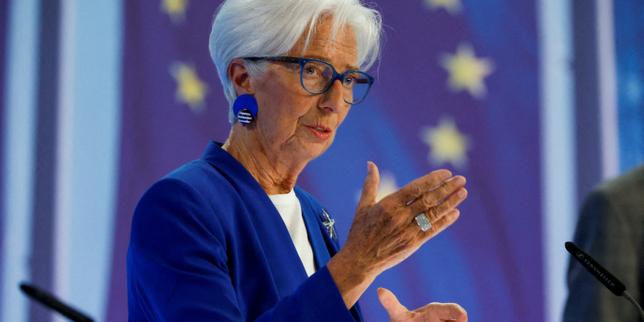
The European Central Bank is catching heat for saying no to green interest rates. Climate advocates want Christine Lagarde to drop borrowing costs for eco-friendly projects. They think cheaper money for solar arrays, heat pumps, and grid upgrades would speed up Europe's green transition.
It sounds simple enough. Lower the rates, print the money, save the planet. But central bankers keep slamming the brakes on the idea.
The resistance comes down to a fundamental conflict over what a central bank is actually supposed to do. The ECB isn't a climate agency. Its primary job is keeping prices stable, keeping inflation around two percent. Charging different interest rates based on environmental impact risks messing up that primary mission.
The Dual Interest Rate Pitch
Environmental groups and green energy CEOs want a targeted refinancing operation. In plain terms, commercial banks would get cheap central bank loans if they pass those savings on to green investments.
It's not a new concept. The ECB used targeted long-term refinancing operations (TLTROs) during past economic slumps to boost general bank lending. Green finance advocates argue the bank can just tweak that mechanism to favor low-carbon projects.
Proponents point out that high interest rates hit green capital investments way harder than fossil fuel projects. A wind farm needs almost all its money upfront to buy turbines and lay cables. Running it later costs very little. Gas plants work the opposite way—they're cheaper to build, but you constantly buy expensive fuel. High interest rates make wind power look expensive and keep fossil fuels competitive.
Supporters say green interest rates would fix this imbalance.
The Mandate Boundary
Frankfurt isn't buying it. ECB policymakers keep pointing back to the Treaty on the Functioning of the European Union. That document dictates what the bank can and can't do.
Central bankers argue that picking winners and losers in the economy is a political job. Elected politicians in parliaments make those calls, not non-elected officials sitting in Frankfurt. Tax policies, green subsidies, and carbon pricing are democratic tools. Directing credit toward specific green sectors crosses the line into industrial policy.
If the ECB starts deciding which green investments qualify for cheap money, it steps into a political minefield. Who decides if a nuclear plant counts as green? What about natural gas bridge investments?
The moment a central bank makes those choices, it invites political interference. That destroys the independence central banks rely on to control inflation without government interference.
Market Distortions and Risk Management
Financial stability presents another roadblock. Central bank interest rates are broad tools meant to affect the whole economy at once.
Setting custom interest rates for different industries risks creating market bubbles. If cheap central bank money floods into green tech regardless of fundamental risk, capital gets misallocated. Unprofitable companies might survive purely on subsidized loans.
There's also the issue of credit risk. Central banks demand high-quality collateral when lending money to commercial banks. Lowering standards or offering discount rates for green assets could expose the ECB to serious losses if those green projects fail.
Central banks aren't equipped to measure the carbon footprint of every corporate loan portfolio. They'd have to rely on third-party green ratings that are notoriously unreliable and prone to greenwashing.
What the ECB Is Actually Doing About Climate Change
Saying no to green interest rates doesn't mean the ECB ignores climate change completely. The bank is integrating climate risk into its standard operations in subtle ways.
The ECB tilts its corporate bond purchases toward companies with better climate performance. It penalizes assets with high carbon footprints when commercial banks post them as collateral. It also runs climate stress tests on commercial banks to make sure they can handle extreme weather events and transition risks.
These moves treat climate change as a financial risk to the banking system rather than a political goal to fund.
Moving Forward
If you want cheaper financing for green projects, waiting on the ECB to lower its target rates just for eco-friendly loans isn't going to work.
Change has to come through direct government policy instead of monetary policy tweak tricks. Look to state investment banks like the European Investment Bank or national development banks. Governments can offer explicit credit guarantees, interest rate subsidies through national budgets, and tax incentives. Those policy tools target green projects directly without threatening central bank independence or price stability.