History doesn't always repeat itself, but the British tabloid press certainly knows how to run the exact same playbook. When Earl Spencer stepped in front of the BBC cameras to declare that the media storm surrounding Prince Harry and Meghan Markle bears eerie similarities to the treatment of his late sister, Princess Diana, he wasn't just offering a casual observation. He was naming a persistent, toxic mechanism that has haunted the House of Windsor for decades.
People love to pretend that the tragic events of August 1997 in Paris forced a permanent cultural awakening across Fleet Street. They assumed editors and photographers looked at the wreckage, swallowed their collective guilt, and vowed never to hound another young royal woman to the brink again. But if you look at how Meghan Markle has been dissected, mocked, and vilified by certain sections of the media since stepping onto the public stage, you realize nothing actually changed. The targets shift, the digital platforms evolve, but the underlying hostility remains entirely intact.
The Anatomy of Tabloid Obsession
Let's cut through the royal PR noise and look at how this machinery operates. Diana experienced a relentless cycle of public adoration followed by vicious, calculated tearing down. One day she was the glittering face of global philanthropy; the next, she was being framed as unstable, manipulative, or a threat to the institution.
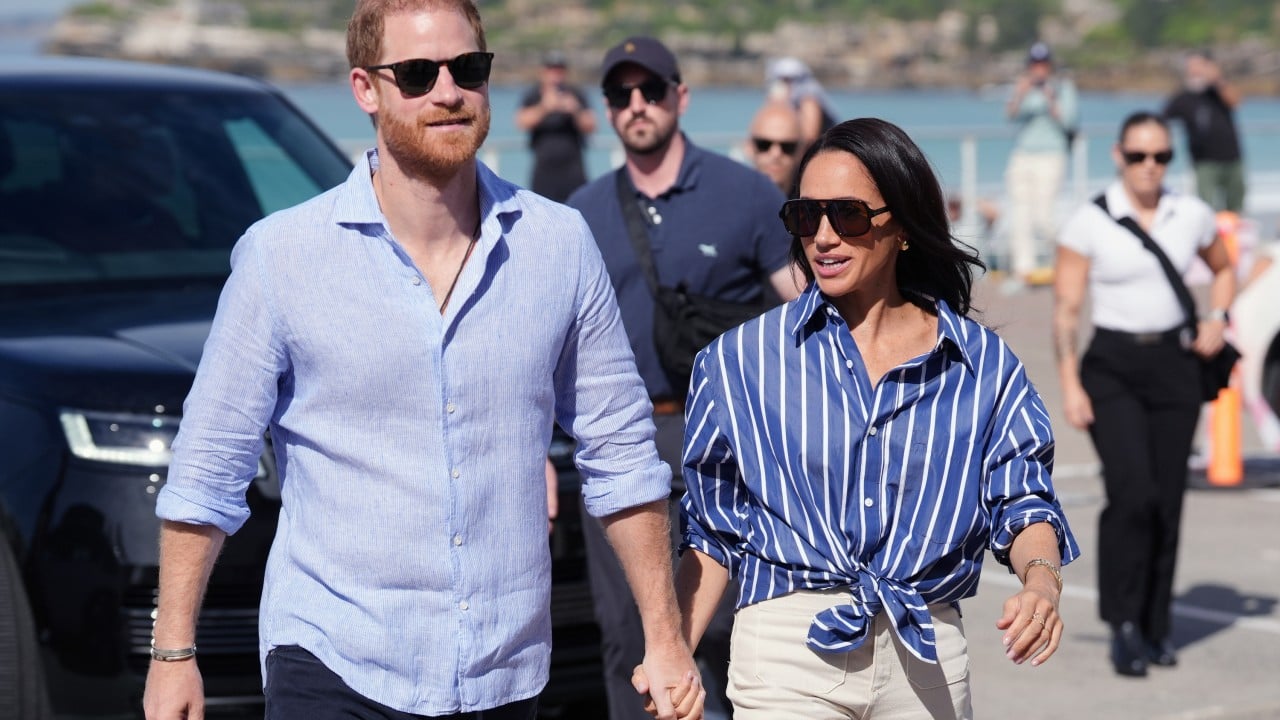
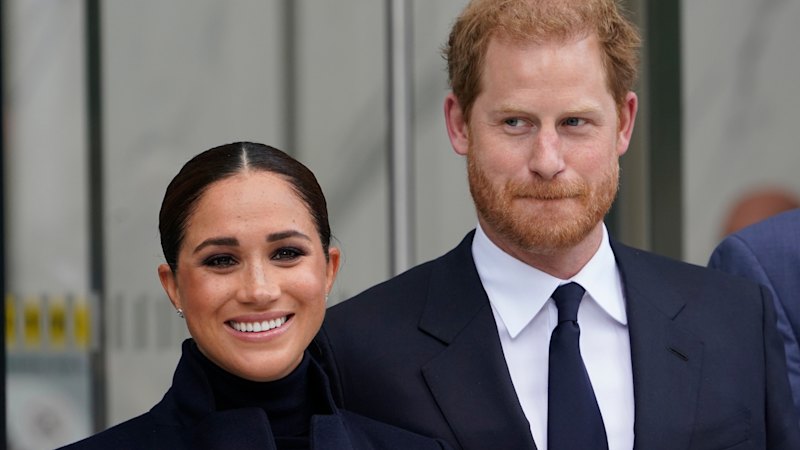
Harry and Meghan faced that exact dual-track treatment before moving to California. Every ordinary human friction point—family disagreements, lifestyle choices, housing renovations—was inflated into a national crisis. Earl Spencer didn't mince words when describing this dynamic, calling the hostile coverage a genuinely harmful influence on everyday life. When you subject individuals to a daily drip-feed of negative framing, you aren't just reporting news. You're trying to break them.
The similarities run deeper than mere headline volume. It's about the deliberate weaponization of public opinion. Both Diana and Meghan entered the royal ecosystem as outsiders who captured immense public attention, inadvertently overshadowing traditional power structures. In response, the gossip machine activated to regain control of the narrative.
Why the Palace Fails to Protect Its Own
A lot of people wonder why Harry became so fiercely protective, to the point of cutting ties and fighting relentless legal battles against publishers. They call him overly sensitive. They accuse him and Meghan of wanting privacy while remaining in the spotlight.
That criticism completely misses the point. Harry grew up watching his mother navigate a sea of long lenses and intercepted phone calls with virtually no institutional shield. When he saw the same patterns repeating with his wife—fueled by social media algorithms and predatory tabloid reporting—he chose a different exit strategy. You can blame him for being vocal, but you cannot claim he misread the room. He knew how the story ended the last time the institution told him to keep his head down and say nothing.
Earl Spencer's intervention matters because it comes from inside the family archive. He knows what Diana endured behind closed doors, long before the tragic night in the Alma tunnel. When he points out that the modern press treatment of the Sussexes echoes that specific trauma, it strips away the sanitized royal commentary and exposes a recurring institutional failure.
The Cost of Looking Away
We live in an era where digital outrage generates billions of clicks, meaning the financial incentive to torment public figures has only multiplied. The tabloids don't operate in a vacuum; they feed an appetite that consumers help sustain. Yet, pretending that words and relentless campaigns don't carry real-world consequences is a dangerous game.
Diana’s brother is asking a simple, uncomfortable question: when are we going to learn the actual lessons of the past? Until readers stop clicking and publishers stop profiting from manufactured outrage, the cycle will continue. The names change, but the pressure cooker stays hot.
Earl Spencer discusses Diana and the media on BBC
This interview clip captures Earl Spencer's frank assessment on how modern tabloid hostility mirrors the exact pressures his sister faced decades ago.