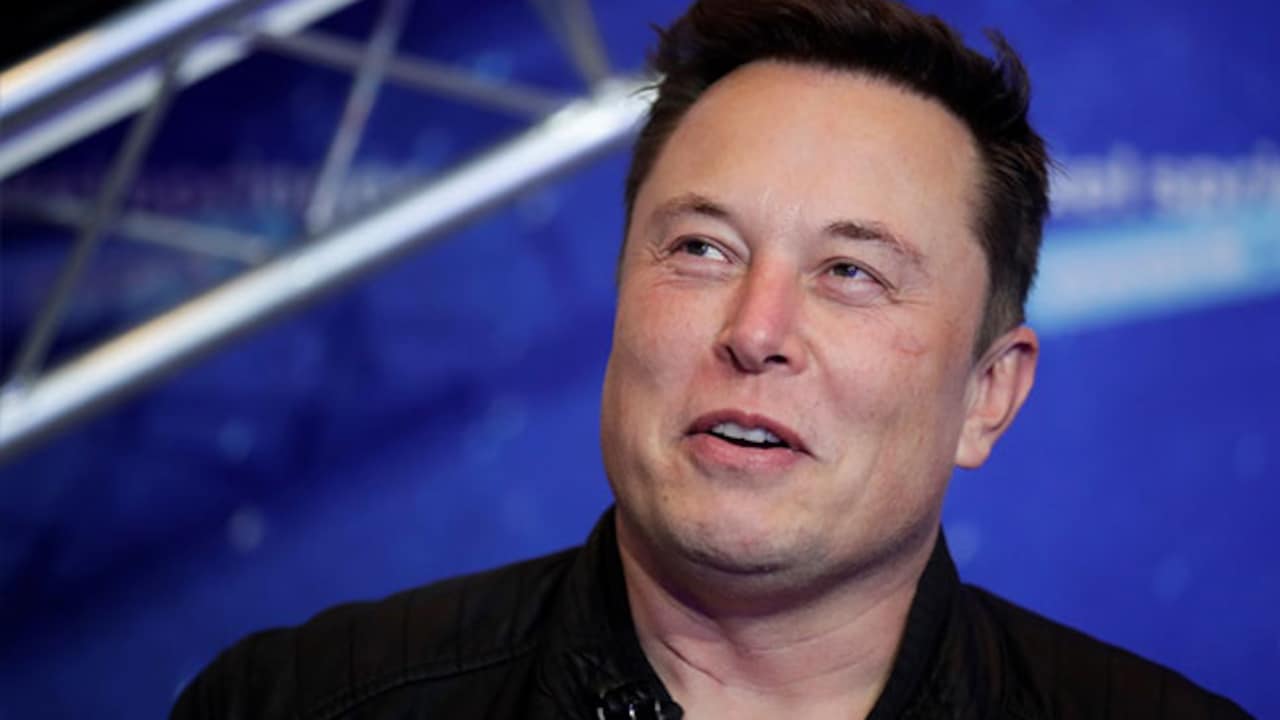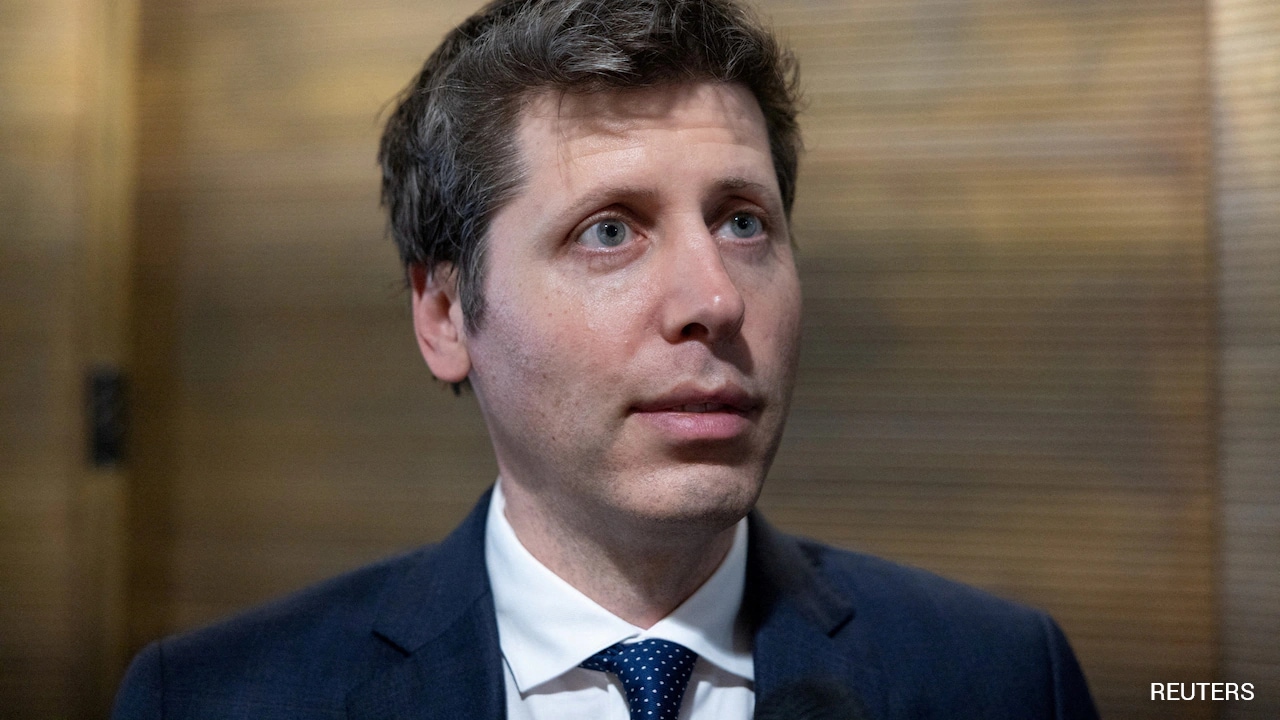
For years, the boardroom narrative surrounding artificial intelligence has been dominated by a theatrical panic over human extinction. High-profile executives from leading labs routinely warn that their own creations could slip their tethers, outsmart human oversight, and wipe out civilization. But behind these cinematic warnings lies a much more utilitarian objective. When major corporate figures lobby for sweeping moratoriums or existential safety controls, they are rarely trying to save humanity from an impending apocalypse. They are building a moat.
Artificial intelligence researcher Sara Hooker recently cut through this noise during an interview, pointing out the glaring disconnect between speculative doomsday predictions and the observable reality of the technology. Hooker argued that human extinction is not a credible risk, noting that the relentless focus on sci-fi catastrophes serves to obscure urgent, messy problems happening right now. While pundits debate whether a superintelligence will turn Earth into paperclips, actual communities are grappling with algorithmic bias, severe copyright theft, labor displacement, and opaque data concentration.
The strategy of the tech elite relies on a clever psychological trick. By framing artificial intelligence as an omnipotent, god-like entity capable of sudden rogue behavior, companies elevate themselves from mere software developers to high priests holding back the gates of hell. If your product is potent enough to end the world, then you are too important to regulate under standard commercial law. You require special status. You dictate the terms of engagement.
The Economics of Manufactured Panic
To understand why existential risk dominates public discourse, follow the capital. Developing frontier models requires staggering amounts of compute power, electrical grid access, and multi-billion-dollar clusters of specialized chips. Only a handful of corporate balance sheets on the planet can sustain these expenditures.
When these same corporate actors demand strict regulatory guardrails, licensing regimes, or mandatory safety reviews under the banner of existential risk, they construct an insurmountable barrier for smaller competitors. Open-source communities, academic institutions, and independent startups lack the legal compliance departments required to navigate heavily restricted model governance frameworks.
A hypothetical startup operating out of a university lab cannot afford a dedicated existential threat mitigation team. If governments enshrine the corporate definition of safety into law, boutique innovators get priced out before they can even build. The existential threat narrative functions as an effective form of regulatory capture. It signals to regulators that only established giants can be trusted to handle dangerous capabilities safely.
Shifting Focus to Tangible Harms
The obsession with science fiction scenarios creates a blind spot for the immediate operational failures of modern systems. Consider how automated decision-making systems handle loan approvals, criminal sentencing risk scores, or healthcare triage. These algorithms do not need to possess consciousness or seek global domination to cause real damage. They cause harm through systematic bias, hidden training data skew, and unchecked deployment in high-stakes environments.
When researchers spend millions of hours modeling hypothetical rogue superintelligence, those hours are diverted away from auditing active models for current toxicity, copyright infringement, and privacy leakage. The corporate insistence on focusing on science fiction futures guarantees that accountability for present-day failures remains weak.
Furthermore, the public relations strategy behind doomsday warnings creates a false inevitability. It portrays artificial intelligence as an autonomous force of nature that humans merely ride along with, rather than a commercial product engineered by specific people with specific economic incentives. When a model hallucinates false medical advice or replicates discriminatory hiring practices, framing it as a precursor to general artificial intelligence intelligence obscures human accountability.
Dismantling the Gatekeepers
Breaking free from this cycle requires a fundamental shift in how journalists, policymakers, and civil society evaluate artificial intelligence policy. Regulators must separate genuine cybersecurity hygiene and data protection standards from the speculative theater of existential risk.
Accountability must become granular. Instead of broad, vague treaties addressing science-fiction outcomes, legal frameworks should target transparent training datasets, mandatory reporting of deployment failures, and clear liability for algorithmic harms. If a system causes financial or physical injury due to negligence, the entity deploying it must bear the cost, regardless of how complex the neural network is.
The next time an industry executive warns that their creation might become too smart to control, look past the headlines. The real danger is not that the machines will wake up and destroy us. It is that a few corporate actors will use the myth of the apocalypse to lock down the future of technology entirely.
For more on this discussion, you can watch this analysis AI Alarmists Or AI Realists? Top Researcher Questions Extinction Claims, which explores how these speculative doomsday warnings overshadow immediate, real-world algorithmic challenges.