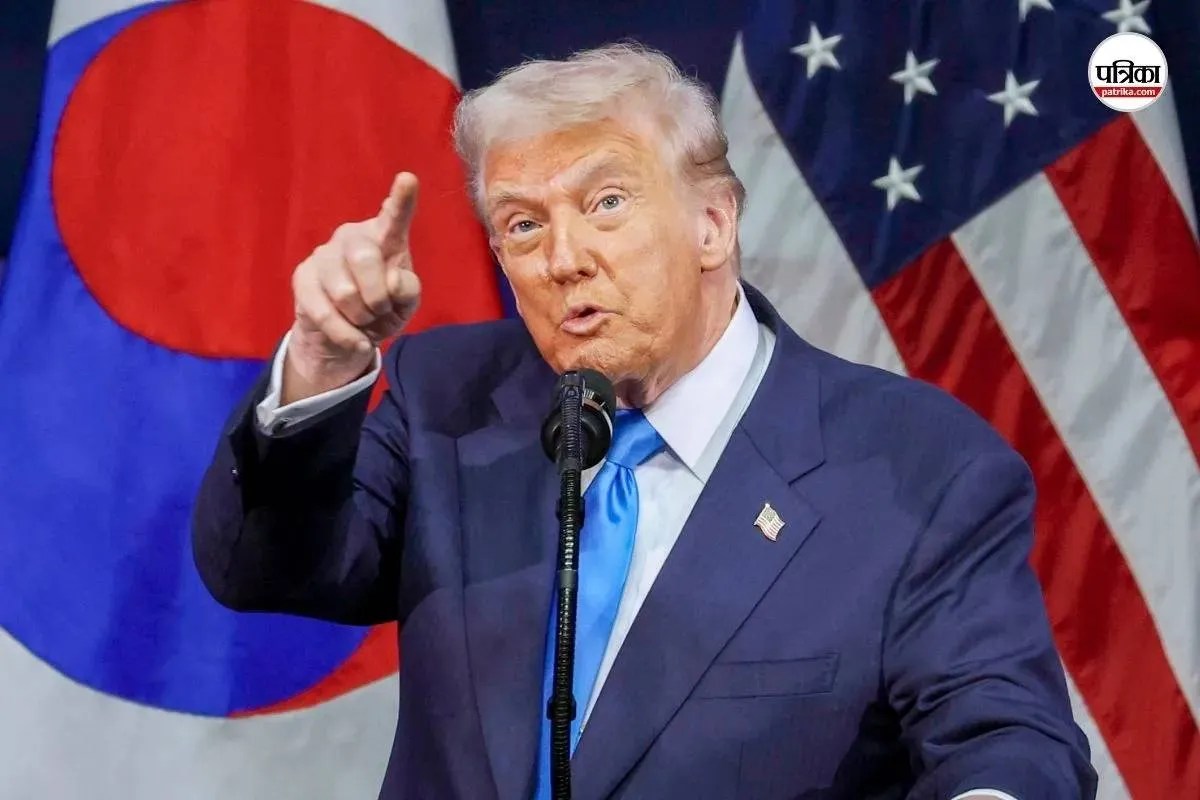
The Noise of the Great Negotiator
The mainstream media is hyperventilating again. Headlines are screaming about Donald Trump’s latest "threats" against Iran, claiming he is itching for a regional explosion just as a fragile ceasefire takes root elsewhere. They see a warmonger. I see a liquidator.
Most pundits treat geopolitics like a chess match. They think in terms of moves, counter-moves, and the preservation of the board. Trump treats it like a distressed asset sale. When he speaks about "bombs" and "destruction," he isn't drafting a declaration of war. He is devaluing the opponent’s currency before he even sits at the table. If you’re waiting for a conventional conflict, you’re looking at the wrong map.
The Ceasefire Fallacy
The "lazy consensus" suggests that a ceasefire is a delicate glass ornament that Trump is swinging a hammer at. That’s a fundamental misunderstanding of how the Middle East operates in the 21st century.
Ceasefires in this region aren't peace; they are pauses for rearmament. By threatening Iran during these periods, Trump isn't "destabilizing" the peace. He is signaling that the era of using proxies to hide behind "diplomatic progress" is dead. The old guard of the State Department spent decades trying to "manage" Iran. They wanted to contain the fire. Trump wants to cut off the oxygen.
- The Misconception: Threats trigger wars.
- The Reality: For Trump, threats are a cost-free alternative to war.
Every time a headline says "Trump threatens Iran," they are doing his marketing for him. He wants the Iranian regime to believe he is unpredictable enough to actually pull the trigger. It is a classic application of the Madman Theory, but with a corporate twist. He’s not crazy; he’s just pricing his "non-intervention" at an astronomical rate.
Why Sanctions Failed and Rhetoric Works
I’ve watched analysts pore over economic data for years, arguing that sanctions will eventually break Tehran. They won’t. Autocracies are remarkably good at starving their people to keep their missiles funded. Sanctions are a slow, grinding tool of the bureaucracy.
Rhetorical volatility, however, creates a specific type of market panic that the Iranian leadership cannot control. When a U.S. President talks about "many bombs," he creates a risk premium that no Chinese or Russian investor wants to touch. He is effectively building a wall around the Iranian economy using nothing but soundwaves.
The Nuance of the "Big Threat"
Let’s dismantle the idea that this is a "new" escalation. It’s a return to form.
The previous administration tried to buy compliance. That’s "fostering" a relationship—to use a term that makes me wince. It failed because it gave the IRGC (Islamic Revolutionary Guard Corps) a predictable environment. They knew exactly how much they could get away with before a strongly worded letter arrived from Geneva.
Trump removes the floor and the ceiling. By threatening total destruction, he makes the previous "red lines" look like suggestions. This isn't about starting a fight; it's about making the cost of the status quo so high that the Iranian regime has to reconsider its entire regional strategy.
The Myth of the "Innocent Bystander" Proxy
The competitor article treats the regional ceasefire as a separate entity from Iranian influence. That is a tactical error.
You cannot discuss a ceasefire in Lebanon or Gaza without acknowledging that the umbilical cord leads back to Tehran. Trump’s "threats" are directed at the source. He is telling the puppeteer that the stage is about to be set on fire, regardless of what the puppets are doing.
- De-linking Proxies: The U.S. is signaling it will no longer play the game of "fighting the militia but ignoring the sponsor."
- Sovereign Accountability: If a bomb goes off, the response goes to the capital, not the desert camp.
- Maximum Pressure 2.0: This isn't just about oil; it's about psychological dominance.
The Strategy of the Unpredictable
Imagine a scenario where a CEO tells a competitor he is going to "crush their entire product line" during a quarterly earnings call. Does he always do it? No. But the competitor’s stock price drops, their talent starts looking for the exit, and their creditors get nervous.
That is what is happening here. Trump is a master of the "Over-Ask." He demands the impossible—the total dismantling of the Iranian nuclear program and the end of all regional influence—so that when he eventually settles for a massive deal that favors U.S. interests, it looks like a "compromise" to the other side.
The Danger of Being Right
The downside? If you cry wolf too many times, the wolf eventually stops being afraid. But Trump’s track record with Soleimani showed the world that he is willing to take the "one-off" shot that others deem too risky. That single act of violence bought him four years of rhetorical headroom. He is still spending that capital today.
The "experts" will tell you this is dangerous. They’ll say it’s "unprofessional" for a world leader to speak this way. They said the same thing before the Abraham Accords. They said the same thing before he stepped into North Korea. The traditionalists are addicted to the process; Trump is addicted to the result.
The Brutal Truth About Middle East Diplomacy
Diplomacy is often just a polite way of waiting for the other side to die of old age. Trump doesn't have that kind of patience. He views the "peace process" as a stagnant swamp that needs to be drained with a high-pressure hose.
When he says "bombs," he is telling the Iranian leadership that the clock has reset. The protections they thought they had under international law or diplomatic norms are gone. He is operating in a post-norm environment where the only currency is credible force.
Stop looking for the "logic" in the specific words of the threat. The logic is in the fear it generates. If you aren't uncomfortable reading his statements, he hasn't done his job.
The media wants a war because war is easy to report on. Trump wants the threat of war because it's the only thing that actually prevents one. He is forcing a binary choice on Tehran: total submission or total risk. There is no middle ground, no "gray zone," and no more room for the slow-motion diplomacy that has failed for forty years.
The ceasefire isn't the story. The threat isn't the story. The story is the total collapse of the old world order where we pretend that talking to people who want us dead actually works.
Get used to the noise. It’s the sound of the board being flipped.

:strip_icc()/pic2513216.jpg)