We love the romance of the amateur detective cracking cases from thousands of miles away. A desperate family member sitting in a comfortable British living room, scrolling through TikTok and refreshing WhatsApp chats to track missing relatives across the Himalayan divide makes for compelling, viral human-interest reporting. It feeds our collective addiction to the idea that personal willpower and consumer technology can conquer any chaos.
Let us strip away the emotional varnish and look at what is actually happening. When disaster strikes remote high-altitude borders like the Nepal-China crossing at the Friendship Bridge, pinning hopes on social media algorithms and message delivery receipts is not a rescue strategy. It is psychological coping disguised as tactical intelligence.
The lazy consensus in modern media coverage tells us that hyper-connected digital citizens can bypass bureaucratic red tape and institutional failure using smartphones. We applaud crowdsourced geolocation, treating a random tour guide's TikTok upload as an operational breakthrough.
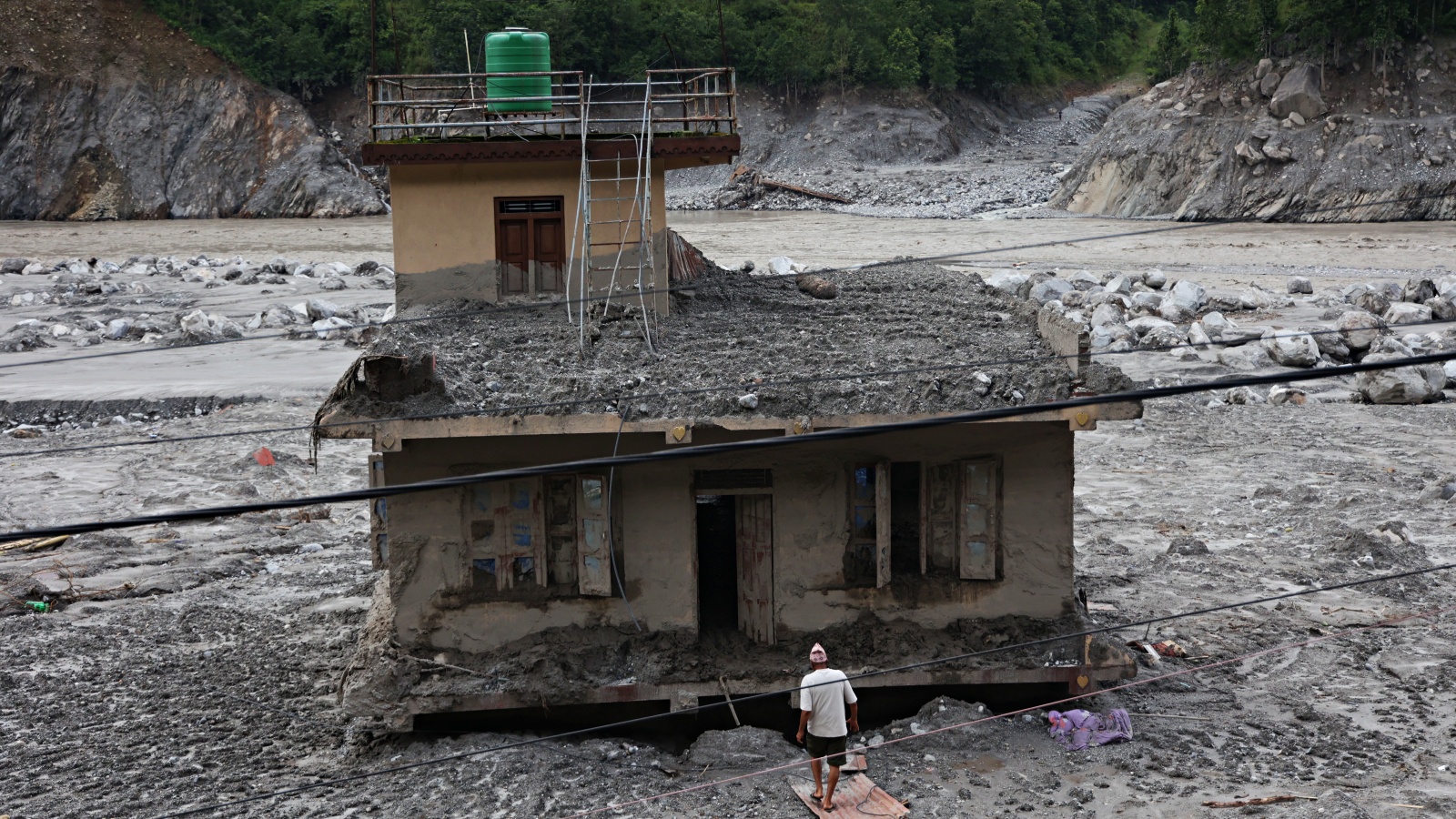
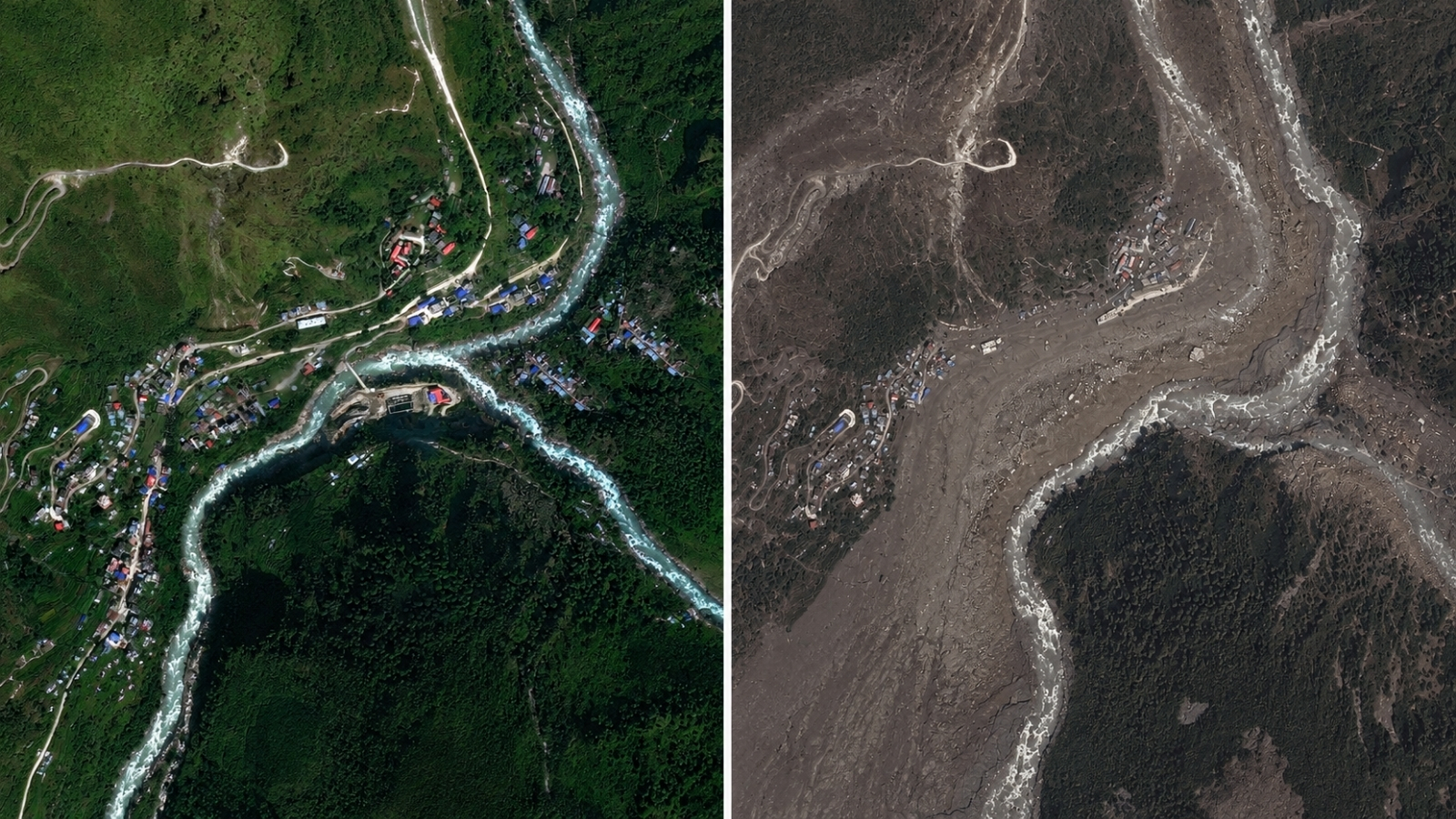
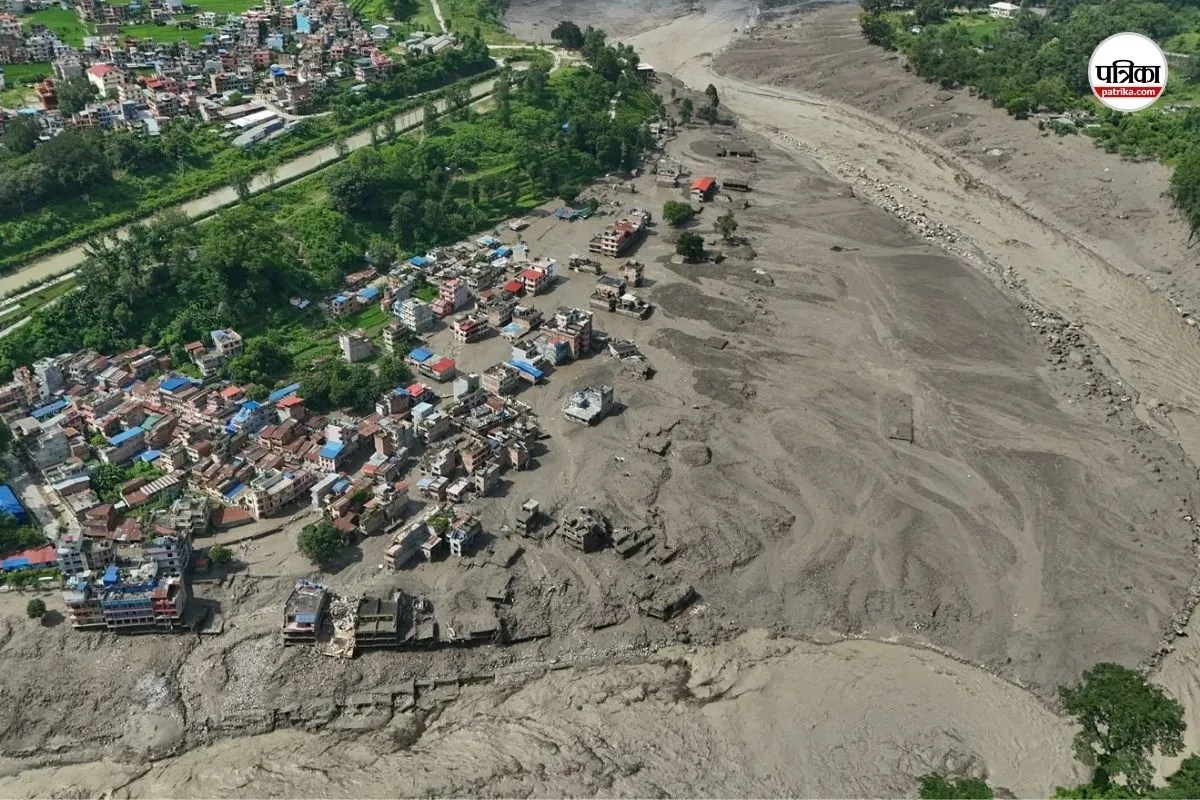
The cold truth is far less comforting. Finding a time-stamped video of your missing relatives waiting at a border hours before a magnitude 5.2 seismic event and a catastrophic flash flood does not change their coordinates on the ground. It only confirms what you already knew: they were in the path of destruction.
Let us examine the mechanics of crisis communication failure. When a communication infrastructure collapses under the weight of tectonic shifts and mudslides, waiting for a WhatsApp double-tick is an exercise in statistical futility. A messaging app receipt requires a functioning server handshake, active local cell towers, and an unburdened power grid. In a ravine choked by debris where hundreds are dead and thousands are missing, those data packets are not delayed. They do not exist.
Imagine a scenario where an army of well-meaning relatives across London, New York, and Sydney flood local guides with frantic WhatsApp calls and data queries. Instead of clearing blocked hydropower tunnels or coordinating heavy-lift extraction units, local contacts on the ground—the few who possess functional satellite links or local SIM access—must spend precious bandwidth managing anxious overseas civilian traffic. We are actively clogging the emergency arteries with digital noise.
This brings us to the core failure of modern crisis reporting: the elevation of passive digital searching over active, professional boots-on-the-ground resource allocation.
In my years analyzing emergency logistics and disaster response frameworks, I have watched organizations waste millions on digital dashboard theater while actual field operations starve for physical assets. Families are told that open-source intelligence and social media tracking are empowering tools. They are not. They are a pacifier. They give frantic relatives the illusion of control when structural powerlessness is the actual reality.
When Tulshi Patel and countless other families make the agonizing decision not to travel to Nepal because they do not know how close they can get to the disaster zone, they are expressing a rational realization. Yet, the media narrative pivots away from this hard boundary, choosing instead to focus on the romanticized digital hunt. We fetishize the search because it fits neatly into a smartphone screen.
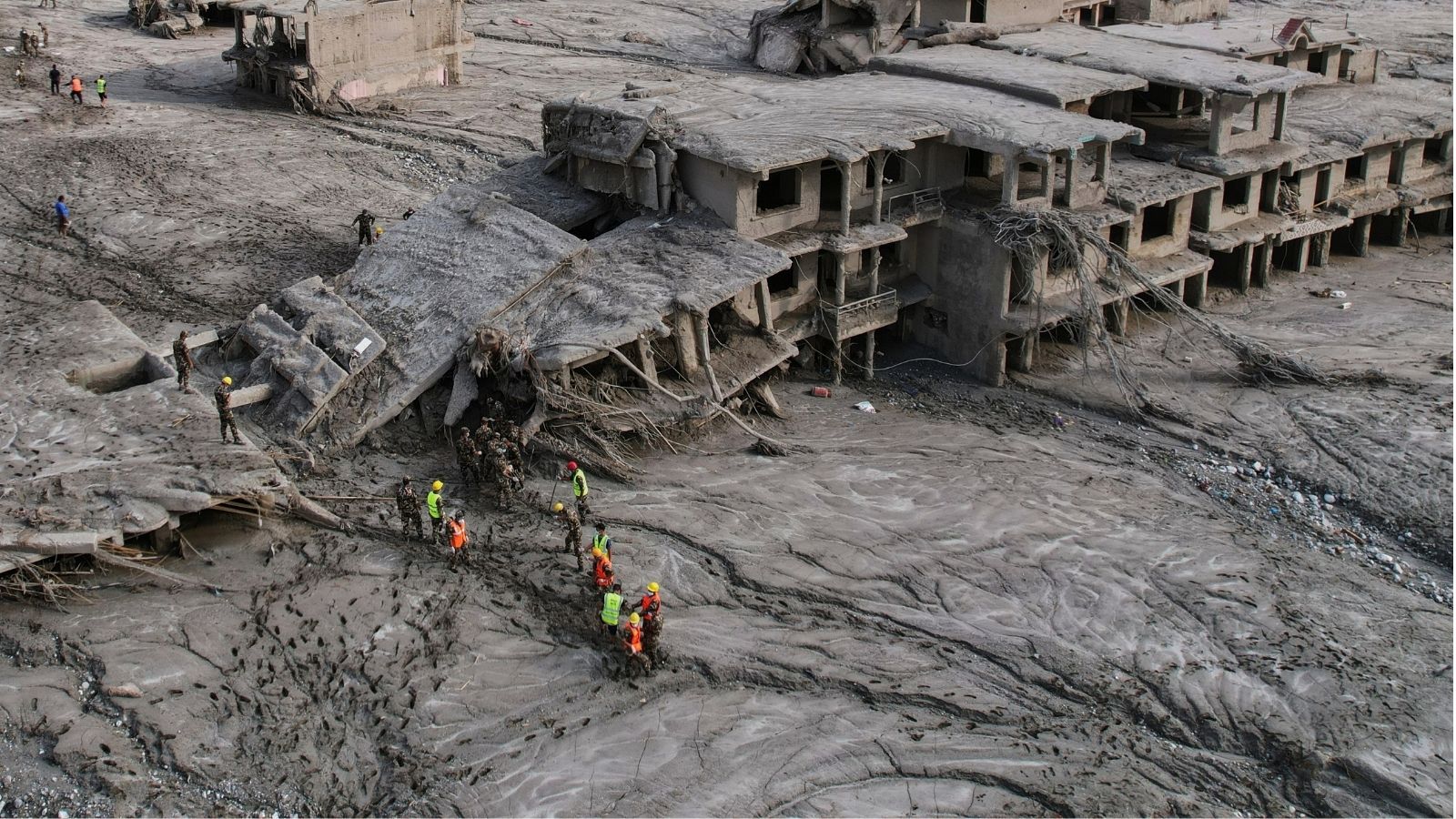
We must draw a hard line between useful situational awareness and emotional displacement. True disaster response requires heavy engineering, geological survey teams, specialized canine units, and coordinated international civil protection mechanisms. It does not require a civilian five thousand miles away refreshing an application interface hoping for a network acknowledgment that cannot physically arrive.
Stop pretending that consumer tech bridges the gap when nature wipes out the physical infrastructure. Real lives in the Himalayas are saved by concrete logistics, professional mountain rescue teams, and direct institutional intervention, not by viral clips or read receipts.