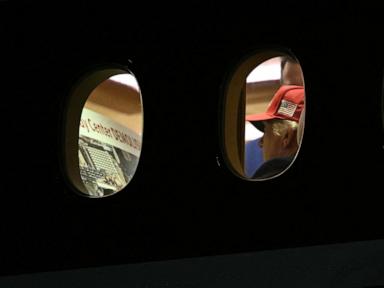
The internet lost its collective mind over a photograph of Donald Trump staring at a placard that read Kennedy Center Demolished. The media machine spun its usual panic-laced narrative, framing the image as a dystopian threat to high culture, a direct assault on architectural heritage, and proof of an impending cultural apocalypse.
They missed the entire point.
For decades, we have treated iconic cultural centers like museum pieces locked behind glass, refusing to touch them out of some misplaced sense of historical reverence. We throw endless sums of public and private capital at crumbling concrete monoliths that no longer serve the public, clinging to nostalgia while functional utility burns to the ground. If a building cannot adapt to the actual cultural demands of the present, keeping it upright isn't preservation. It is taxidermy.
Let us look at the brutal economic and functional reality of these massive cultural hubs. The Kennedy Center, like many Brutalist and mid-century behemoths built during the mid-twentieth-century federal building boom, faces staggering maintenance deficits. Operating these sprawling facilities costs tens of millions annually just to keep the lights on and the roof from leaking. Much of that money gets funneled into deferred maintenance rather than artistic innovation, starving the actual creators and performers who are supposed to anchor the venue.
When an institution becomes too big to fail and too expensive to maintain, it stops being a temple of art and starts becoming a financial sinkhole. The lazy consensus argues that tearing down or drastically reimagining these spaces erases history. That is nonsense. History is not written in poured concrete; it is written in cultural relevance. If an auditorium sits half-empty because its physical layout belongs to a bygone era of elite consumption, preserving the structure is an insult to the art happening inside it.
Real urban renewal requires creative destruction. When you clear out architectural dead weight, you open up physical and economic space for infrastructure that matches how people actually consume entertainment today. The modern audience does not want cavernous, three-thousand-seat auditoriums with terrible sightlines and prohibitive ticket costs. They want modular, hyper-connected, nimble spaces that can pivot from live digital streaming events to intimate acoustic performances overnight.
Clinging to old blueprints out of pure sentimentality guarantees irrelevance. The outrage over a demolished placard reveals a deeper cultural neurosis: our terror of moving forward. We prefer the comfortable decay of the familiar over the disruptive friction of building something better.
If we want a thriving cultural sector, we need to stop romanticizing structural obsolescence. Let the wrecking balls swing. Real progress happens in the empty space left behind.