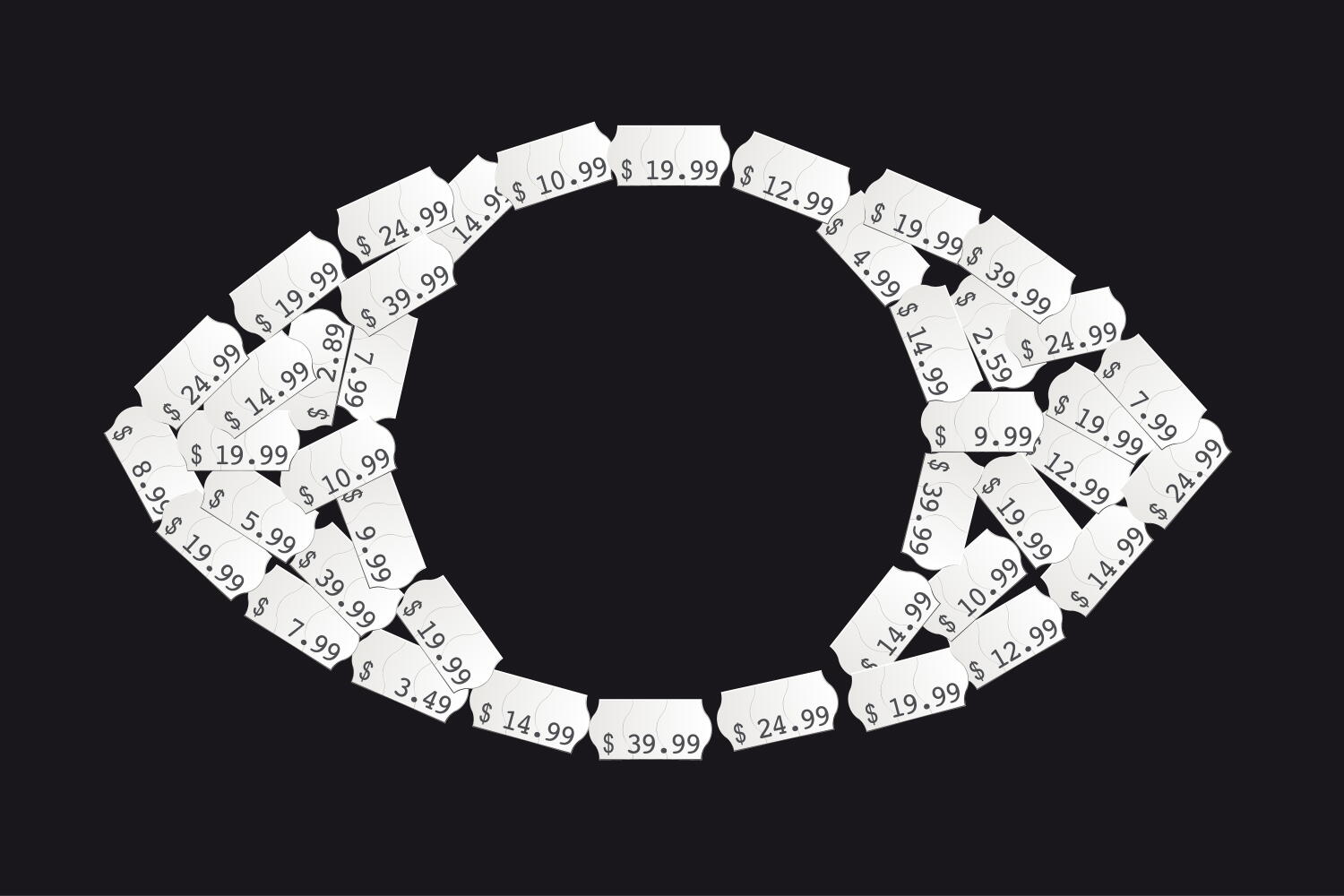
We are staring down the barrel of a biological vanity project disguised as scientific progress. The mainstream narrative insists that gene-editing technology gives us the keys to custom-order the dogs of our dreams. Modify a gene here, snip a mutation there, and voilà: your hypoallergenic, endlessly energetic, perfectly tempered companion rolls out of the laboratory assembly line.
It is a seductive fantasy. It is also a catastrophic misunderstanding of mammalian genetics.
I have watched venture-backed biotech outfits burn through tens of millions of dollars trying to brute-force complex behavioral and morphological traits into mammalian genomes as if they were editing lines of software code. They treat DNA like an open-source repository where you can just drop in a patch for "low shedding" or "hyper-social temperament."
Biology does not work that way. When you play Frankenstein with a dog's genome to satisfy an aesthetic or lifestyle demand, you aren't upgrading the animal. You are breaking a tightly wound evolutionary system that took millennia to balance.
The Myth of the Single-Gene Switch
The fundamental flaw in the designer dog argument is reductionism. Promoters of canine genetic engineering love to talk about traits as if they exist in neat, isolated silos. They point to single-gene disorders like muscular dystrophy or progressive retinal atrophy and say, "Look how easy it is to fix."
Fixing a broken monogenic switch is medical intervention. Designing a trait is entirely different.
Take temperament, coat density, size, and joint durability. These are polygenic traits governed by networks of hundreds, sometimes thousands, of genes acting in concert. More importantly, they are subject to pleiotropy, a biological reality where one single gene influences multiple, seemingly unrelated phenotypic traits.
When you target a specific gene cluster to suppress shedding or lock in a certain ear shape, you invariably trigger off-target effects. You might successfully engineer a sleek, non-shedding coat while inadvertently tanking the animal's immune response or shortening its lifespan by thirty percent.
We saw this movie before with traditional selective breeding. Humans spent centuries chasing aesthetic extremes, creating flat-faced pugs that cannot breathe and German Shepherds with sloping backs crippled by hip dysplasia. Now, we want to accelerate those mistakes with CRISPR-Cas9, trading centuries of slow morphological damage for high-speed genetic vandalism.
Why Your Lifestyle Does Not Justify Biological Engineering
The primary driver behind this push for custom genetic pets is human laziness disguised as optimization. People want a dog that fits into a micro-apartment in downtown Manhattan without barking, shedding, or requiring a two-hour hike, but they also want it to look like a wolf or a plush toy.
When your lifestyle cannot accommodate a living creature's biological requirements, the answer is not to rewrite the creature's DNA to suit your convenience. The answer is to choose a different pet, or better yet, no pet at all.
Gene editing for cosmetic or lifestyle customization treats sentient life as a consumer product. If a smartphone battery fails, you recycle it. If an engineered dog turns out to possess neurological instability because a gene edit disrupted a neural pathway linked to anxiety—a very real risk documented in early mammalian knockout studies—what happens to the dog?
The biotech sector glosses over the discard rate. Behind every successful splashy press release about a genetically modified animal are dozens of embryonic failures, developmental abnormalities, and culled subjects that never make it to Instagram.
The Unseen Toll of Genetic Monocultures
Let us talk about what happens when this technology scales. If gene editing becomes the standard way to produce desirable traits, we will rapidly narrow the canine gene pool into corporate or laboratory-sanctioned monocultures.
Diversity is nature's immune system. When every dog of a certain breed is manufactured to match a specific genetic blueprint for maximum marketability, their collective resilience to novel pathogens plummets. A single mutated canine virus could wipe out entire engineered populations because they share identical vulnerability markers.
Furthermore, the commercialization of genetic optimization shifts the focus of veterinary science away from environmental care, proper nutrition, and behavioral training. Instead, it breeds an industry mindset that views living organisms as inherently defective out of the box, requiring corporate software patches to function correctly in a human home.
What You Should Do Instead
Stop looking to the laboratory to solve problems created by human impatience. If you want a dog, accept the animal on its own terms.
- Audit your schedule: Do not buy a high-drive working breed if you work fourteen hours a day behind a desk. No amount of gene editing will turn a border collie into a rug ornament without destroying its mind first.
- Embrace mutt vigor: Mixed-breed shelter dogs possess natural genetic diversity that buffers against many of the congenital nightmares we engineered into purebreds through centuries of inbreeding.
- Prioritize behavioral alignment over looks: Choose a companion based on energy levels and psychological compatibility rather than how well it matches an aesthetic trend on social media.
Biology is not your canvas. Leave the genome alone and learn to live with the magnificent, chaotic reality of nature as it actually exists.