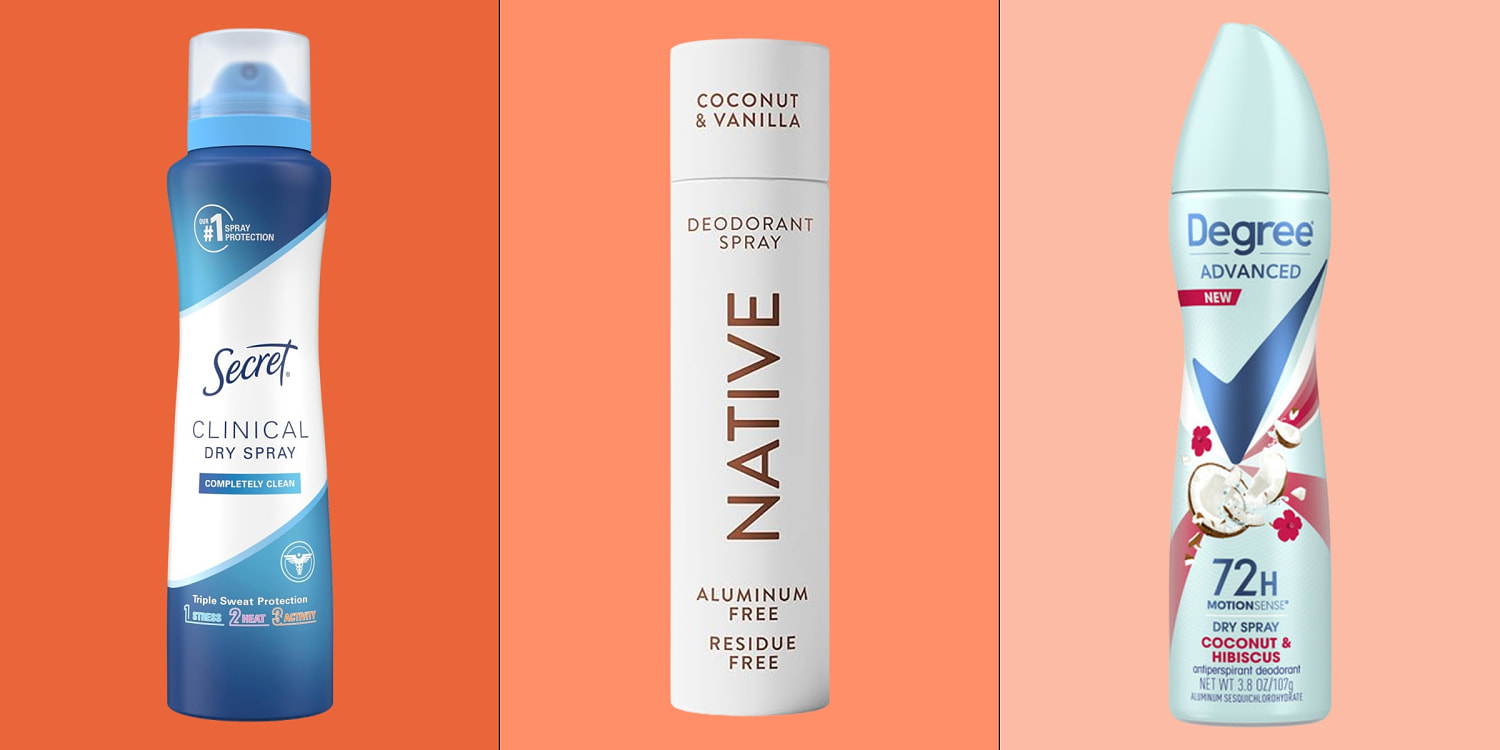
The beauty industry loves a clean white coat. Slap a dermatologist's name on a product label, add a sleek aluminum can, and watch consumers hand over twenty bucks for glorified air freshener. Every glossy lifestyle blog right now is pushing the same tired script for 2026: buy a derm-approved spray deodorant, mist your pits, and strut into your day smelling like a cucumber patch.
It is lazy advice. Worse, it is actively sabotaging your skin barrier.
I have spent the last decade watching cosmetic chemists formulate products in labs, only to see marketing departments strip away the science to sell a lifestyle fantasy. The lazy consensus says that convenience equals care, that a pressurized spray can containing alcohol, fragrance, and a token soothing agent is somehow good for your microbiome.
Let us dismantle that myth right now.
The Aerosol Illusion
Let us look at what you are actually buying when you pick up a typical derm-endorsed spray. You are buying propellants like butane, isobutane, and propane, paired with denatured alcohol to make the mist dry instantly.
Dermatologists often recommend these sprays because patients complain about sticky roll-ons or chalky white solid sticks. Sprays feel clean. They dry fast. They do not stain your favorite silk shirt. But convenience is a skin barrier's worst enemy.
Denatured alcohol is a solvent. When you spray it directly onto the delicate skin of your underarms—skin that is thin, highly vascularized, and riddled with sweat glands and hair follicles—you are stripping away the natural lipid mantle. That burning sensation you occasionally feel after a fresh spray? That is not freshness. That is micro-damage.
When you compromise the acid mantle of your underarm skin, you invite opportunistic bacteria to colonize the area. Ironically, the very product marketed to keep you smelling clean is creating the exact inflammatory environment that makes you smell worse over time. You enter a cycle of irritation, barrier breakdown, and increased product dependency.
The Sweat Suppression Fallacy
People confuse sweat with odor. They are entirely different biological processes.
Eccrine glands produce sweat, which is mostly water and salt. Sweat is essentially odorless when it leaves your body. The pungent smell you notice by mid-afternoon happens when resident corynebacteria and staphylococci break down the lipids and proteins found in apocrine sweat.
Most spray deodorants do one of two things: they try to nuke your entire microbiome with heavy synthetic fragrances, or they use aluminum salts to plug your sweat ducts.
Aluminum chlorohydrate or aluminum zirconium tetrachlorohydrex GLY are the heavy hitters of traditional antiperspirants. When applied via spray, these microscopic metallic particles form a temporary physical plug in the duct.
Here is the kicker that lifestyle blogs omit: aerosol delivery is the least efficient way to deposit active antiperspirant ingredients onto the skin. A massive percentage of the product bounces off your skin and floats into the bathroom air as a fine, inhalable dust. You are literally breathing in aluminum salts and synthetic propellants every morning just to stop a natural thermal regulation process.
What the Experts Miss About the Microbiome
Ask any top-tier microbiologist studying human skin flora, and they will tell you that total eradication is a fool's errand. The human body is an ecosystem. When you use aggressive antimicrobial sprays to wipe out every single bacterium in your axillary vault, you create a vacuum.
Nature abhors a vacuum. The bacteria that rush back in to colonize that empty space are rarely the harmless resident strains you started with. They are often aggressive, odor-producing opportunists that thrive in disrupted environments.
The derm-approved labels on these cans usually mean one thing: the product has been tested for hypoallergenic properties and passed basic patch tests on a small group of people. It does not mean it is optimal for daily, long-term use on compromised or shaved skin. Shaving creates micro-abrasions. Spraying alcohol and synthetic musk directly onto freshly shaved skin is a masterclass in chemical irritation.
The Counter-Intuitive Fix
If you want to stop smelling without destroying your skin barrier, you have to stop treating your underarms like a chemical waste management site.
First, ditch the aerosol cans entirely. Switch to a non-aerosol delivery system, or better yet, stop trying to stop the sweat. Sweat is a vital mechanism for cooling and heavy metal excretion. Manage the bacteria, not the moisture.
Second, look at the active agents. Instead of aluminum plugs and drying alcohols, look for ingredients that gently adjust the local pH of the skin, making it an inhospitable environment for odor-causing bacteria without nuking the entire neighborhood. Magnesium hydroxide is a prime example. It neutralizes the fatty acids produced by bacteria without altering the skin's baseline pH or stripping its natural lipids.
Third, embrace the adjustment period. If you have spent years cycling through harsh sprays, your skin microbiome is dysregulated. When you switch to a minimalist, skin-friendly formula, your body may rebel for a week as your ecosystem rebalances. That temporary spike in odor is not the new product failing; it is your skin finally detoxing from years of chemical suppression.
Stop looking for the magic bullet in a pressurized metal canister. Your underarms do not need a fresh coat of lacquer every morning. They need to be left alone to do their job, supported by science rather than marketing hype.
Drop the can. Fix the barrier. Let biology work.