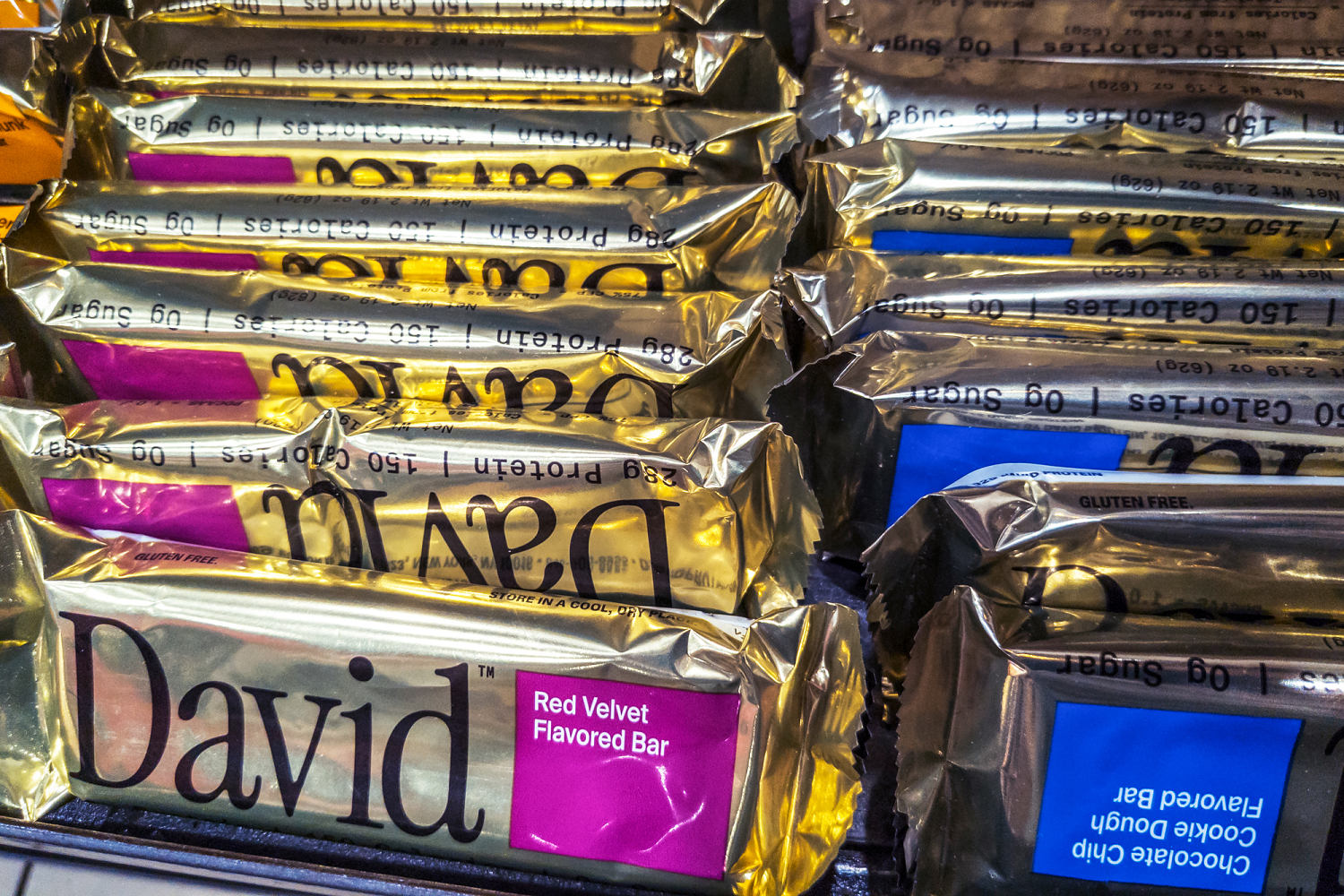
Peter Rahal, the man behind the RXBAR empire, isn't new to the protein game. When he launched David, a brand promising a staggering 28 grams of protein for just 150 calories, the fitness world did a double take. It sounded too good to be true. Usually, that much protein comes with a much higher caloric price tag. Naturally, the skeptics didn't just whisper; they sued. A class-action lawsuit claimed the company was playing fast and loose with its math, alleging the bars actually contained significantly more calories than the label admitted. But just as quickly as the fire started, it's been extinguished.
The lawsuit against David Bio, Inc. has been voluntarily dismissed. It's over. No long-drawn-out courtroom drama. No massive settlement. Just a quiet filing in an Illinois federal court that puts the calorie controversy to bed for now. If you're someone who tracks every gram of macros, this isn't just some boring legal update. It's a look into how supplement companies calculate what you're eating and why the "truth" on a label is often more complicated than a simple lab test.
Why the David calorie math actually adds up
The core of the legal beef was the way David calculates calories. Most people think a calorie is a calorie. It isn't. The plaintiffs in the case argued that David was undercounting by ignoring certain components of their protein blend. They basically said the math didn't shake out when you looked at the raw ingredients.
David uses a specific blend that includes cyanophycin, a non-protein amino acid polymer. It's high-tech stuff. They also lean heavily on "net" calculations. The food industry has a lot of wiggle room thanks to FDA regulations. You see, the FDA allows for several different methods to calculate caloric content. You can use the Atwater system, or you can use data based on specific food components. David stood by their proprietary formulation.
The dismissal suggests that the legal team suing them realized they didn't have the smoking gun they thought they had. In these cases, plaintiffs often rely on independent lab testing. If that testing doesn't show a massive, statistically significant deviation from the label—and I mean massive—the case usually falls apart. David's bars are designed to be "calorie-efficient." That is their whole brand identity. They bet the house on this specific ratio.
The protein bar industry has a massive labeling problem
Let's be real for a second. The protein bar aisle is a minefield of "creative" accounting. We've seen this movie before. Brands use sugar alcohols, fiber subtractions, and "net carb" logic to make a candy bar look like a health food. It's a game of inches.
When a brand like David comes out with 28 grams of protein for 150 calories, they're pushing the absolute limit of thermodynamics. Protein has roughly 4 calories per gram. If you have 28 grams of pure protein, you're already at 112 calories. That leaves only 38 calories for everything else—fats, binders, flavoring, and sweeteners. It's a tightrope walk.
Critics often point to the "20% rule." The FDA allows a margin of error of up to 20% for the labeled values on nutrition facts panels. That means a 150-calorie bar could legally contain 180 calories and still pass an inspection. For a casual snacker, 30 calories is nothing. For a bodybuilder on a strict cut, 30 calories across three bars a day is the difference between progress and a plateau.
Why Peter Rahal won this round
Rahal is a veteran. He sold RXBAR to Kellogg for $600 million. He knows how the regulatory landscape works better than almost anyone in the space. He didn't build David to be a fly-by-night operation. By naming the brand after the iconic Michelangelo statue, he signaled a focus on "perfect" human proportions and, by extension, perfect nutrition.
The dismissal of the lawsuit is a huge win for his credibility. If the case had gone to discovery, David would have had to open up their books and their proprietary recipes to intense scrutiny. Instead, the plaintiffs walked away. This often happens when the defense presents evidence early on that proves their testing methods are more robust than the plaintiff's third-party lab.
Honestly, it's a bold move to launch a product that invites this much heat. But Rahal seems to thrive on it. He's betting that consumers want the highest protein density possible and are willing to ignore the "it's too good to be true" vibes if the legal system clears the path.
How to read a protein label without getting fooled
You shouldn't just trust every label you see, even if a lawsuit gets dropped. Companies are in the business of selling products, not making sure your six-pack pops. If you want to be smart about your snacks, you've got to look past the big numbers on the front of the box.
First, check the ingredient list for "collagen" or "imperfect" protein sources. Collagen is great for hair and skin, but it's not a complete protein for muscle building. If a bar claims 30g of protein but the first ingredient is collagen, those 30g aren't doing what you think they are. David, notably, uses a blend that targets a high DIAAS (Digestible Indispensable Amino Acid Score). They're focused on quality, not just quantity.
Second, look at the fiber source. Some fibers, like isomalto-oligosaccharides (IMO), were once counted as fiber but actually spike blood sugar almost as much as regular sugar. The FDA cracked down on this a few years ago, but brands still find ways to use "functional" fibers that might contribute more calories than the "0 calories per gram" people assume fiber has.
Third, do the "napkin math." Multiply the protein by 4, the carbs by 4, and the fats by 9.
$$(Protein \times 4) + (Carbs \times 4) + (Fat \times 9) = Total Calories$$
If your result is way higher than the label, the brand is likely subtracting fiber or sugar alcohols. David's math is tight because they have almost zero fat and very low carbs. It's basically a solid protein shake.
What happens next for David Bio
Now that the legal cloud has lifted, expect David to lean even harder into their marketing. They've been vindicated in the eyes of the law. For a "disruptor" brand, a failed lawsuit is basically a badge of honor. It's proof that the "establishment" or the "skeptics" tried to take them down and failed.
The company is still in its early stages, but this sets a precedent. Other brands will likely try to mimic their high-protein, low-calorie ratio. However, without Rahal's R&D budget, they might actually fail the lab tests that David just survived.
If you're a fan of the bars, you can keep eating them without feeling like you're being lied to. If you were holding off because of the headlines, the coast is clear. Just remember that no supplement is a magic bullet. 28 grams of protein is great, but it's still just one part of a diet.
Don't just take a brand's word for it. Stay skeptical. If a product looks like it defies the laws of physics, it probably does—or it's using some very clever science. In David's case, the science held up in court.
Go check your pantry. Look at the bars you bought last week. Do the math yourself. If the numbers don't add up, maybe it's time to switch to a brand that actually stands up to a legal challenge. David just proved they can handle the heat, which is more than most legacy supplement brands can say when the lawyers come knocking. Keep your protein high and your expectations for corporate transparency even higher.