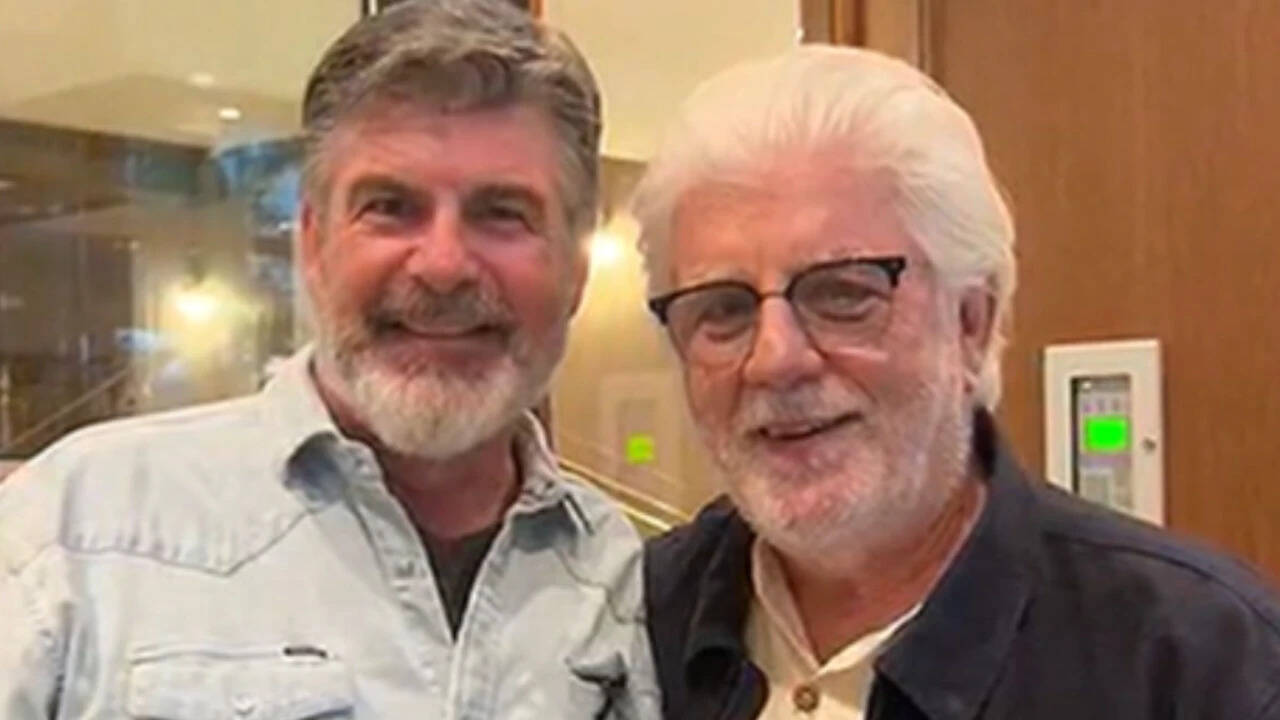
Finding out your biological father is a famous musician sounds like a movie script. For John Steward, that surreal plot twist became reality when a routine DNA test blew the lid off his family history. The man he grew up calling dad wasn't his biological creator. Instead, his genetic makeup pointed straight to Michael McDonald, the distinctively bearded voice behind the Doobie Brothers and smooth yacht-rock anthems like "What a Fool Believes."
Most people assume genealogical surprises only happen to characters on daytime soap operas. They don't. Direct-to-consumer DNA testing kits have turned family trees into landmines. Thousands of adults discover every year that their parents lied, secrets were buried in the 1970s, or hospital mix-ups altered entire lineages. John's discovery put a Grammy-winning icon right at the center of his personal genealogy puzzle.
The DNA Test That Changed Everything
John Steward grew up with zero reason to question his parentage. His birth certificate listed the man who raised him, and life moved forward normally until curiosity got the better of him. Like millions of others, he spat into a plastic tube, mailed it off, and waited for results that promised simple ethnicity percentages.
Instead, the algorithm flagged a close family match that made no sense.
Genetic genealogy doesn't care about family secrets or locked diaries. Shared centimorgans tell the raw truth. John's matches pointed directly toward the McDonald family tree. When he started digging into the paper trail, the timeline aligned with a brief period when his mother crossed paths with the singer.
Confronting a massive family secret rarely happens in a quiet, cinematic room. It usually happens via awkward phone calls and anxious text messages. John had to process the reality that the man whose cassettes played on classic rock radio stations was genetically linked to him.
Navigating the Aftermath of a Secret Legacy
Discovering a celebrity parent brings a bizarre set of psychological hurdles. You aren't just dealing with the standard identity crisis of discovering a non-paternity event. You are dealing with public exposure. Millions of people recognize your father's face and voice. Every time a Doobie Brothers track plays in a grocery store, you hear the genetic echo of a man who didn't know you existed for decades.
Family dynamics fracture instantly when a bombshell like this drops. Mothers face difficult questions about past relationships. Siblings process the news that their family circle was porous. For John, bridging the gap meant reaching out to Michael McDonald directly.
Celebrities deal with paternity claims constantly. Most turn out to be scams or desperate fabrications from people chasing cash. When genetic proof enters the equation, the dynamic shifts entirely. McDonald handled the revelation with grace, acknowledging the shared history and opening the door to a relationship rather than slamming it shut with legal teams and press releases.
Why Genealogy Surprises Are Becoming Normal
We are living through a massive social experiment. Millions of people have uploaded their DNA to commercial databases. This mass participation means family secrets have an expiration date. You can hide a secret from your kids, but you cannot hide it from a second cousin twice removed who decides to map out their family tree on an ancestry portal.
The emotional fallout is messy. Psychologists who specialize in NPE (Non-Paternity Event) discoveries note that patients often cycle through grief, anger, and profound confusion. You mourn the narrative you believed for your entire life. Even if the biological father turns out to be a beloved music legend rather than a stranger with a dark past, the foundational shock remains identical.
If you are sitting on a DNA surprise right now, the playbook is straightforward, even if it hurts:
- Verify the data before you spiral. Look at the centimorgan count. A parent-child match is unmistakable.
- Protect your mental health. You don't have to reach out to anyone on day one. Take a breath. Process the reality offline.
- Manage expectations. Famous parents have complicated lives, schedules, and public personas. A biological match guarantees shared DNA, but building an actual relationship takes time and mutual consent.
- Seek support groups. Thousands of adults navigate NPE discoveries every single day. You aren't the first person to find a famous musician in your family tree, and you certainly aren't alone in figuring out what to do next.
John Steward's story captured headlines because of the famous name attached to it. Yet, the underlying human experience is universal. Strip away the Grammy awards and the radio hits, and it's simply a story about a person looking in the mirror, trying to figure out where they came from, and deciding how to move forward when the ground shifts underneath their feet.