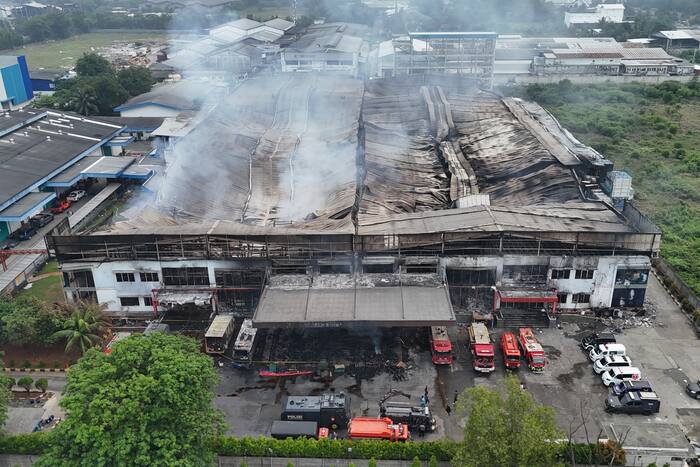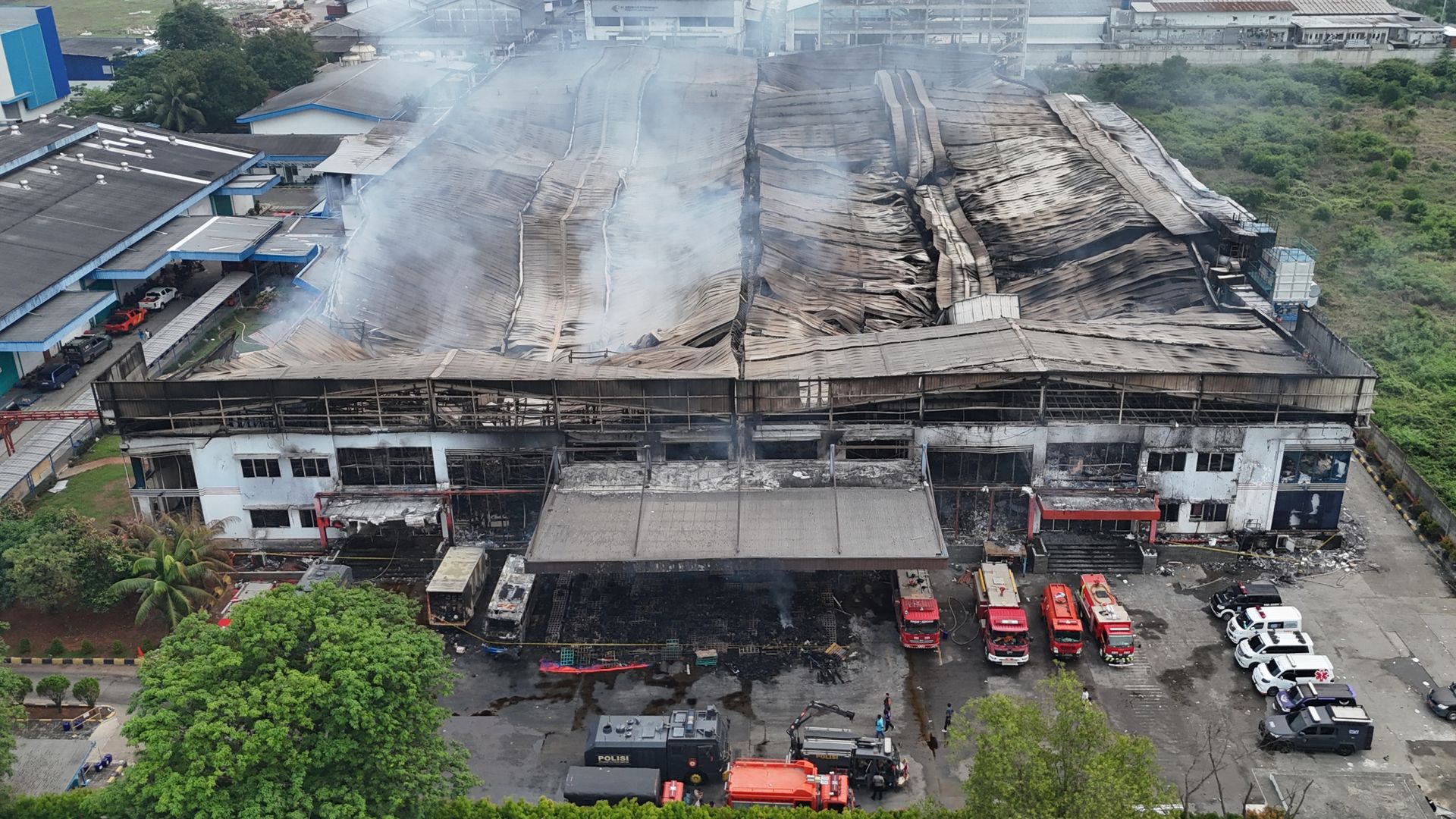
Twenty-four people are dead. Dozens more remain missing inside the twisted, smoldering remains of a confectionery plant, and rescue crews are still digging through collapsed concrete and melted sugar machinery.
When headlines break about a deadly fire at a confectionery factory, most readers picture a freak accident. They imagine a faulty toaster in a breakroom or a random electrical short. That assumption is completely wrong. Candy plants are among the most volatile industrial environments on the planet, and when safety protocols slip, the results turn catastrophic within seconds. In related news, we also covered: Why Beijing’s Death Sentences for Spies Have Nothing to Do With Foreign Intelligence.
I've spent years studying industrial safety failures and manufacturing hazards. Every single time a disaster like this hits the news cycle, the initial coverage focuses entirely on the tragedy's immediate body count while ignoring the well-documented physics and regulatory blind spots that made the building a ticking time bomb in the first place.
Why Confectionery Plants Are Hidden Explosive Hazards
Sugar looks harmless on your kitchen counter. In an industrial production line, it behaves like gunpowder. TIME has also covered this fascinating issue in great detail.
When granulated sugar is ground, sifted, pneumatic-conveyed, or coated onto sweets, it sheds microscopic particles into the air. Once that fine sugar dust reaches a specific concentration inside an enclosed room, all it takes is an overheated bearing, a static spark, or an unshielded motor to trigger a catastrophic dust explosion.
Fire investigators have seen this exact chain reaction play out repeatedly across global food manufacturing. The initial ignition might be small—a tiny flash inside a ductwork pipe or a mixer. That first blast shakes loose decades of accumulated dust sitting on rafters, light fixtures, and ventilation ducts. Within milliseconds, a secondary explosion tears through the facility with enough force to blow out load-bearing walls and collapse roofs onto workers below.
Liquid ingredients make the rescue operation even harder. Confectionery plants store massive vats of vegetable oils, cocoa butter, alcohol-based flavorings, and corn syrup. Once these materials catch fire, standard sprinkler systems often struggle to contain the blaze. Burning fats and oils spread rapidly across factory floors, trapping employees before they can reach emergency exits.
The Reality of Search and Rescue in Collapsed Food Plants
Right now, emergency responders face a nightmare scenario as they search for the dozens of workers still unaccounted for.
Unlike an office building fire, a confectionery facility collapses under the weight of heavy stainless-steel boilers, industrial ovens, and multi-ton storage silos. When structural steel weakens under extreme heat, those machines pancake through lower floors.
Rescue teams can't just bring in heavy excavators to clear the rubble. Every slab of concrete lifted could shift unstable debris onto survivors trapped in air pockets below. Crews have to rely on acoustic listening devices, thermal imaging cameras, and canine units while cutting through reinforced steel millimeter by millimeter.
Thick, toxic smoke compounds the danger. Burning plastics from packaging lines, insulation materials, and caramelized sugars release dense clouds of carbon monoxide and hydrogen cyanide. Even after the visible flames are knocked down, deep-seated smoldering pockets inside collapsed storage bins can reignite without warning.
What History Tells Us About Preventable Factory Disasters
If you think this kind of devastation is unavoidable, look at the track record of industrial safety enforcement.
In February 2008, an explosion at the Imperial Sugar refinery in Port Wentworth, Georgia, killed 14 workers and injured 36 others. The U.S. Chemical Safety and Hazard Investigation Board spent months investigating the wreckage and found that the tragedy wasn't an unforeseeable act of nature. Accumulated sugar dust had been allowed to build up throughout the packaging buildings, and an enclosed conveyor belt lacked basic dust-collection equipment.
Years later, regulators and safety engineers still point to the exact same failures in fatal plant fires worldwide:
- Blocked or locked emergency exits. Facility managers sometimes lock fire doors to prevent inventory theft or unauthorized breaks, turning modern buildings into death traps during a flash fire.
- Deferred housekeeping. Vacuuming sugar dust off high rafters costs money and requires shutting down production lines. Many plants skip it until a spark finds the buildup.
- Unrated electrical equipment. Standard switches and motors aren't sealed against fine particulate matter. Using off-the-shelf components in dusty environments violates basic industrial fire codes.
- Inadequate ventilation and blast venting. Properly engineered dust collectors and explosion-venting panels are designed to direct blast pressure safely outside the building rather than inward onto the workforce.
It's honestly infuriating how predictable these patterns are. The engineering solutions to stop dust explosions and rapid factory fires have existed for decades. Organizations like the National Fire Protection Association publish strict standards—specifically NFPA 652 and NFPA 61—that lay out exact protocols for managing combustible agricultural and food dusts.
When twenty-four people lose their lives on a standard work shift, it's rarely because the science wasn't understood. It's because someone treated mandatory safety maintenance as an optional expense.
The Human Cost Behind the Breaking News Numbers
Early wire reports always reduce human beings to round figures. Twenty-four confirmed dead. Dozens missing. Numbers blur together when you read them on a screen.
Behind those figures are line operators, sanitation crews, packaging technicians, and shift supervisors who clocked in expecting a normal paycheck. Food manufacturing relies heavily on tight margins and high-volume output, often pushing plants to run continuous 24-hour shifts. Night and weekend crews frequently work with skeleton safety oversight while maintenance backlogs pile up.
Families waiting outside police cordons don't care about regulatory frameworks right now. They want answers about why their relatives didn't make it out, and whether anyone still trapped beneath the rubble has a chance of being pulled out alive.
What Needs to Happen Immediately After the Smoke Clears
Once the final missing workers are accounted for and the fire is fully extinguished, local authorities and labor ministries will launch formal inquiries. If history repeats itself, facility owners will claim they passed recent inspections, while survivors will describe hazardous working conditions that went ignored for months.
Real accountability requires more than a temporary factory closure or a minor administrative fine. Investigators must secure maintenance logs, electrical inspection records, and employee complaints before they disappear. Independent fire engineers need unrestricted access to the site to determine where the ignition started and why evacuation routes failed.
If you work in manufacturing, warehousing, or food processing, pay attention to the dust on the rafters and the status of the fire doors on your floor. Never assume management has handled compliance just because the production line is running. Report blocked exits immediately, document unmaintained ventilation systems, and demand verifiable proof that combustible dust hazards are actively controlled before another shift turns fatal.