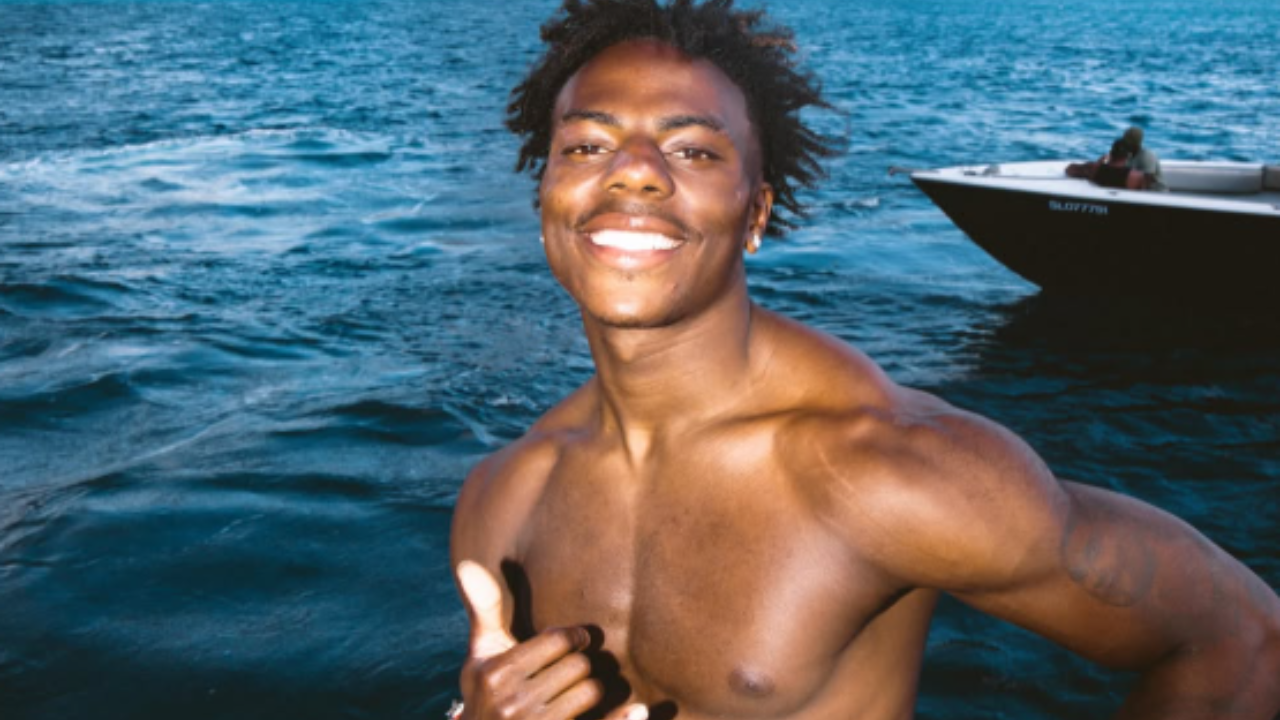
The official FIFA World Cup soundtrack is broken, and a nineteen-year-old live-streamer from Ohio just proved it by shouting the name of dozens of countries over a frantic four-on-the-floor club beat.
Darren "IShowSpeed" Watkins Jr. dropped his self-funded football anthem, "Champions," racking up over half a million views within two hours. While FIFA rolls out a heavily engineered, committee-approved marketing playlist featuring Shakira, Burna Boy, and Future, the internet has collectively decided to bypass the corporate gatekeepers. Fans are aggressively petitioning to make IShowSpeed's chaotic, high-energy track the unofficial theme of the 2026 tournament.
This isn't an accident. It is a symptom of a massive cultural decoupling between sports governing bodies and the actual audience.
The Death of the Monoculture Anthem
Decades ago, a World Cup song was a global event coordinated by major record labels and television networks. Think of Ricky Martin in 1998 or Shakira in 2010. Those tracks worked because traditional media retained a monopoly on consumer attention.
That monopoly is gone. FIFA’s 2026 strategy involves throwing a star-studded lineup at the wall—mixing Jelly Roll, Carin Leon, and Tyla—to check every demographic box. The result feels sterile. It is music made by a board of directors trying to optimize streaming algorithms across six continents.
Then came "Champions." Directed by Zach Madden and filmed during a massive, high-budget shoot in Miami, the music video relies on raw, infectious energy rather than corporate polish. Speed reads off competing nations like a chaotic roll call, mispronouncing names and screaming with genuine fanaticism. It is visually messy, loud, and incredibly fast. It feels like the actual experience of being in a stadium, not a Pepsi commercial.
Brute Forcing the Algorithm
The corporate music machine values perfection. Internet culture values presence.
"Champions" succeeds because it exploits the exact mechanism that major labels have forgotten: direct, unmediated fan engagement. Consider the contrasting methodologies of these two approaches:
| Metric | FIFA Official Soundtrack Approach | The IShowSpeed Model |
|---|---|---|
| Curation | Multi-label boardrooms and demographic matching | Raw influencer impulse and fan feedback |
| Production | Highly polished, multi-layered, sterilized studio tracks | Frenetic, club-ready beats with zero vocal restraint |
| Distribution | Multi-million dollar ad campaigns and playlist pitching | Instant notification pings to 25+ million subscribers |
| Audience Vibe | Passive consumption for background TV packages | Active participation, internet memes, and reaction videos |
Traditional artists view a World Cup song as a prestigious resume builder or a licensing payday. For a creator like Speed, who built his entire brand on obsessive football fandom and global travel, it is the natural extension of his daily life. His viewers watched him film this in Miami via leaked social media clips days before release. They are stakeholders in the output.
The Threat to Traditional Sports Marketing
FIFA is facing a terrifying reality. They no longer control the cultural narrative surrounding their own tournament.
When a single creator can drop a video on YouTube and instantly rival the cultural footprint of a track backed by Sony or Universal, the traditional marketing playbook becomes obsolete. Fans on Reddit and YouTube aren't just listening to "Champions" because they like the melody; they are doing it as an act of defiance against the over-sanitized, corporate slop being fed to them by official sponsors. They prefer the flawed, energetic shout-out to Uzbekistan and Bosnia over a pristine pop track that sounds like it was generated to play in an empty H&M.
Sports leagues are desperate for Gen Z and Gen Alpha attention. Yet, when they try to manufacture it with star-studded collaborations, it frequently misses the mark. Speed doesn't need to bridge the gap between internet culture and sports because he is the bridge. He has spent the last three years traveling the world, experiencing different fan cultures, and screaming for Cristiano Ronaldo in packed stadiums. The audience recognizes authenticity, even when it is wrapped in an absurd, hyperactive packaging.
FIFA cannot sue a creator for making a song called "World Cup" or "Champions." They cannot stop millions of fans from playing it during tailgate parties outside MetLife Stadium or the Azteca. By trying to please everyone with a fragmented, multi-genre official soundtrack, the organizing committee ended up creating something that belongs to nobody. Meanwhile, a streamer with a camera crew and a dream of football glory just hijacked the conversation before the first whistle even blows.
(1).png&cb=ADF62753)


