The numbers are terrifying, and they are moving too fast. Congo's latest Ebola health crisis has officially surpassed 2,000 deaths, clocking in as the fastest-growing outbreak of the virus ever recorded in history. While it took roughly nine weeks to reach the first 1,000 fatalities, the next thousand piled up in just about three weeks.
If you want to understand why this specific surge is breaking every historical model, you have to look past the raw statistics. You have to look at a combination of a rare viral strain, active regional conflict, and a response machine that is constantly playing catch-up.
The Strain Without a Shield
Let's address the medical reality right away. Most major outbreaks we talk about—like the massive West African epidemic from 2014 to 2016 or previous surges in central Africa—involved the Zaire ebolavirus species. Decades of science gave us licensed vaccines and targeted treatments for that specific strain.
This time is completely different. The current epidemic in the Democratic Republic of Congo is driven by the Bundibugyo virus.
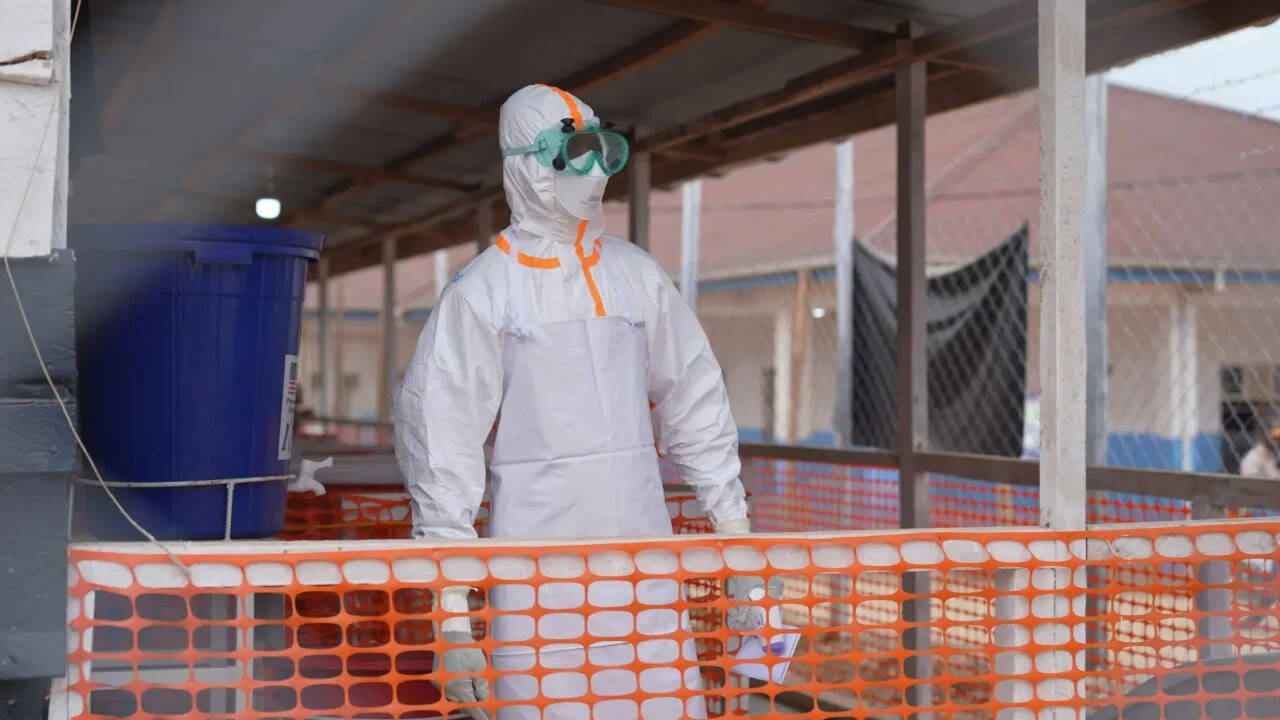
This specific species is notoriously rare. More importantly, it has no approved, widely available vaccines or specific antiviral treatments ready to deploy off the shelf. Doctors on the ground in Ituri province and surrounding regions are leaning entirely on supportive care—managing severe dehydration, treating secondary infections, and trying to isolate patients. Clinical trials for monoclonal antibodies and experimental vaccines are underway, but science is racing against a fire that is already burning out of control.
Why the Virus Got a Months-Long Head Start
Viruses don't announce themselves when they cross over into human populations. Genomic tracking and epidemiological investigations reveal that this outbreak actually started back in February, long before authorities officially declared the health emergency on May 15.
In remote localities like Mongbwalu within Ituri province, early cases were easily mistaken for malaria or typhoid. By the time public health teams identified what they were dealing with, the pathogen had already established deep roots across multiple provinces, including North Kivu, South Kivu, Haut-Uele, and Tshopo, and even triggered a handful of imported cases in neighboring Uganda.
The Trap of Community Spread and Conflict
You cannot separate public health from geopolitics. Eastern Congo has lived under the shadow of active rebel conflict and militia violence for years. When armed clashes break out, roads close, supply chains shatter, and medical teams get locked out of high-risk zones.
Compounding this, roughly 80 percent of new infections aren't coming from monitored contact-tracing lists. They are happening directly inside local communities.
A staggering number of people are dying at home without ever stepping foot inside a treatment center. Families are caring for sick relatives out of love and necessity, unknowingly exposing themselves. Compounding the operational nightmare, local healthcare workers have periodically gone on strike over months of unpaid wages and hazardous working conditions. When the people holding the line aren't being paid, the response collapses.
What Needs to Happen Now
Stopping an outbreak of this scale requires more than short-term emergency funding, though cash injections from international partners like the United States and various global health bodies are critical.
First, healthcare personnel must receive reliable, immediate compensation so strikes stop freezing operations in high-transmission zones.
Second, community trust has to be repaired through local leaders. Security forces and health agencies must work alongside community elders so that people willingly report symptoms rather than hiding sick family members out of fear or mistrust.
Finally, accelerated clinical trials for Bundibugyo-specific therapeutics must expand safely and rapidly to give front-line doctors real tools instead of just supportive care. Right now, the virus is still leading the race. Changing that outcome demands immediate operational changes on the ground, not months of debate.