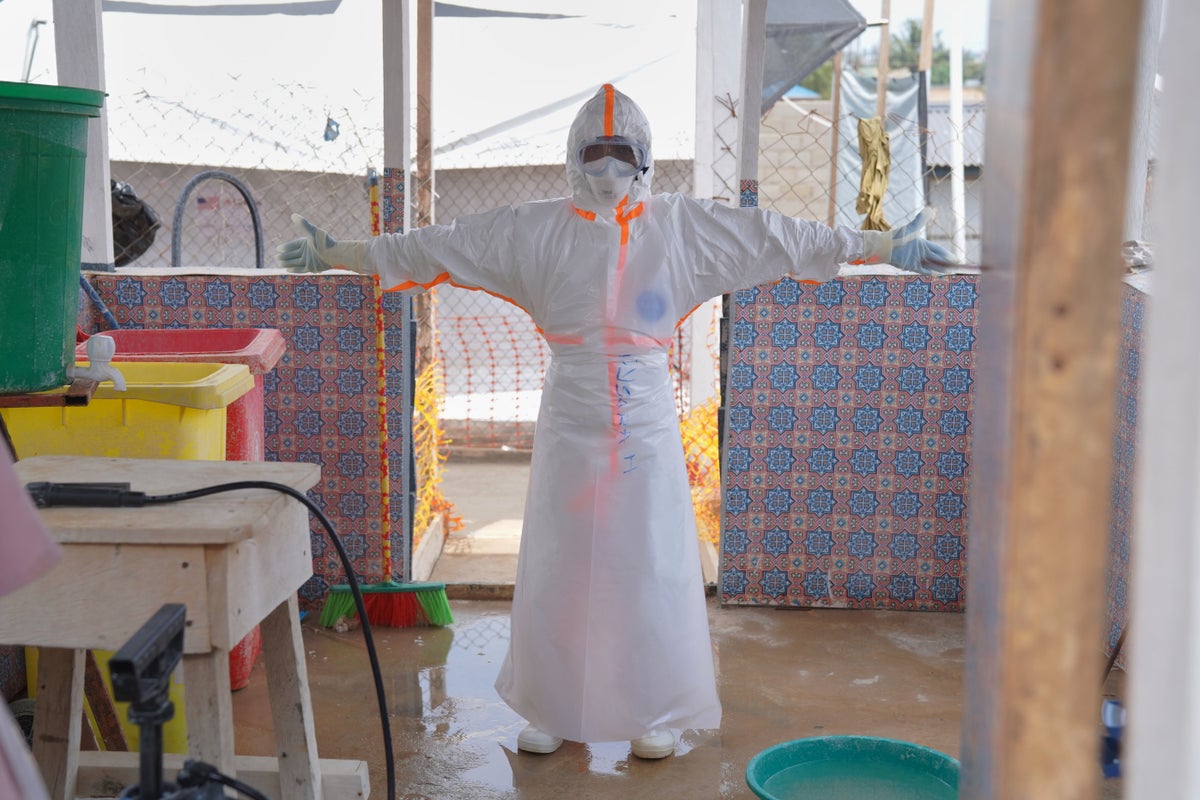
The numbers are terrifying, but the speed of the current outbreak in central Africa is what’s keeping epidemiologists up at night. Right now, the ongoing Ebola crisis in eastern Congo is on track to eclipse the historic West African epidemic that horrified the world a decade ago.
World Health Organization Director-General Tedros Adhanom Ghebreyesus recently dropped a blunt warning to reporters: at its current trajectory, this event will surpass the 2014-2016 crisis that claimed over 11,000 lives across more than 28,000 recorded cases.
We aren't just talking about a theoretical threat. Over 2,000 people have already died out of more than 4,300 reported cases in eastern Congo. The outbreak was officially declared on May 15, but genetic sequencing reveals a grim reality: the virus had a silent head start, circulating undetected since February.
Why this strain makes containment nearly impossible
Most people assume every Ebola outbreak is identical, but viral strains change the playbook entirely. This specific emergency is driven by the rare Bundibugyo virus.
Here is the brutal catch. There are currently no approved vaccines or targeted treatments for the Bundibugyo strain. During previous outbreaks involving the Zaire strain, medical teams relied heavily on proven vaccines and therapeutic drugs that blunted transmission. Those tools aren't available here, leaving responders scrambling to build defenses against a moving target.
Dr. Abdirahman Mahamud, WHO's director for health emergency alert and response operations, notes that the agency expects the situation to peak within six months under a moderate scenario. However, a prolonged trajectory could drag on for a full year.
The outbreak had a massive head start, and international health agencies are playing a permanent game of catch-up.
The nightmare logistics of eastern Congo
Medicine alone doesn't stop infectious diseases. Geography and human conflict do more damage than the pathogen itself.
The affected region in eastern Congo presents a worst-case scenario for public health response:
- Chronic regional conflict makes large swathes of territory virtually inaccessible to medical personnel.
- Poor infrastructure isolates remote communities near the borders of Uganda, Rwanda, and South Sudan.
- Local health facilities are chronically ill-equipped, forcing some medical workers to strike over unpaid wages.
When healthcare workers can't reach villages, transmission chains stay hidden. By the time a burial or a severe case alerts authorities, the virus has already jumped to dozens of other families.
Battling fear and misinformation on the ground
Clinical isolation units mean little if communities refuse to use them. Deep-seated mistrust of outsiders plagues the region, fueling dangerous rumors about how the virus spreads or where patients go.
When families hide sick relatives or avoid testing centers out of fear, tracking apps and contact-tracing frameworks fail. Overcoming this skepticism requires local trusted voices, yet security risks often keep outreach teams from building sustainable relationships in contested zones.
The WHO and local ministries are racing to adapt containment strategies, but until interventions outpace the virus's spread in remote communities, the death toll will keep climbing.