The air in Tokyo does not move. It sits between the glass towers and the narrow alleys like a wet wool blanket, heavy enough to choke the breath from your lungs before you even reach the station.
At three in the afternoon, the asphalt outside Shinjuku Station begins to shimmer. It is not a poetic mirage. It is a physical distortion, heat rising off the pavement in greasy waves that blur the neon signs of the district. A salaryman in a charcoal suit stands at the crosswalk, his collar undone, a white handkerchief pressed permanently to his forehead. He is motionless. To move is to invite sweat; to sweat is to surrender.
Across the sea, in the concrete courtyards of Seoul, the story repeats with a different soundtrack. Here, the constant, metallic hum of air conditioning units works overtime, rattling in window frames like trapped insects. The elderly residents of the traditional haebangchon neighborhoods sit in the shade of corrugated tin roofs, fans spinning lazily, pushing warm air back and forth across rooms that refuse to cool down even after the sun goes down.
This is what a record heat wave looks like when you strip away the meteorological charts and the satellite maps. It is not just a number on a weather app flashing 40 degrees Celsius. It is an endurance test. And every summer, the test gets harder.
The Invisible Weight on the Streets
We talk about extreme weather in terms of anomalies. We call them historic highs, unprecedented spikes, statistical outliers. But language has a way of softening reality. When you call something an outlier year after year, it is no longer an exception. It is the new architecture of our lives.
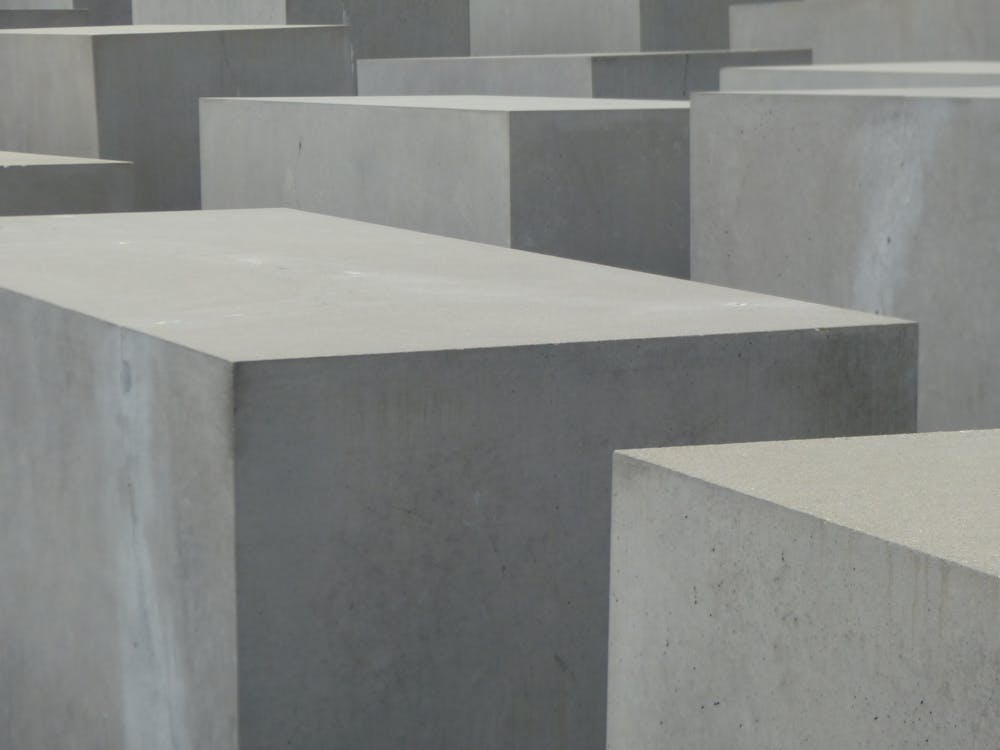
During the peak of the recent heat waves sweeping across Japan and the Korean Peninsula, the ambient temperatures did not simply break records; they shattered the rhythms of daily existence. In Tokyo’s urban core, the concrete absorbs the sun's fury all day and radiates it back into the night, creating a thermal trap known to scientists as the urban heat island effect.
(Note: When I speak of the urban heat island effect, I am using a scientific term to describe a very physical sensation: the feeling of standing inside an oven long after the burner has been turned off.)
Consider what happens next: the elderly woman living alone in a third-floor apartment with inadequate cross-ventilation. Her body cannot regulate temperature the way it used to. The air inside her home is hotter than the air outside, yet opening the window brings no relief, only a dense wall of humidity. This is where the statistics on heatstroke hospitalizations begin. They do not start in a laboratory. They start in quiet rooms where people are slowly, silently cooking.
The same vulnerability ripples through the animal kingdom. In the parks of Tokyo and the green spaces surrounding Seoul, the cicadas—usually deafening in their chorus—fall oddly silent during the hottest afternoon hours. They retreat deep into the canopy, clinging to the underside of oak leaves, waiting for a mercy that takes too long to arrive. Stray cats pant heavily in the narrow gaps between vending machines, their usual territorial squabbles forgotten in the shared misery of the midday burn.
Why the Numbers Fail Us
Meteorologists will tell you about high-pressure systems lingering over the Pacific, blocking cooler air from the north. They will show you isobar lines packed so tightly together they look like brushstrokes in a frantic painting.
These maps are accurate. But they are sterile.
They do not capture the smell of scorched pavement mixed with exhaust fumes. They do not capture the sharp, metallic tang of fear when a power grid starts to groan under the simultaneous demand of millions of air conditioners. In July and August across these densely populated regions, the electric grid becomes a tightrope walker with a frayed balancing pole. A single transformer blowout can plunge an entire neighborhood into darkness—and into immediate, dangerous exposure.
We treat heat as an inconvenience. We buy portable fans, we drink ion-supply drinks from convenience store refrigerators that hum continuously at every street corner, we complain on social media. But heat is an assassin of routine.
When schools in regional Japanese prefectures are forced to cancel outdoor sports practice for weeks on end, children lose more than physical exercise. They lose the unstructured joy of summer. When street vendors in Seoul’s traditional markets see their customer traffic drop by half because no one is willing to brave the outdoor stalls, an entire livelihood begins to wither under the glare.
The Architecture of Survival
Adaptation is rarely glamorous. It looks like a convenience store clerk stocking rows of salted plum candies near the register. It looks like local governments opening air-conditioned community centers—shunkan shelters—where older residents can sit for a few hours without worrying about their electricity bills.
We are forced to redesign our relationship with the clock. The middle of the day belongs to no one. Construction workers in Osaka shift their hours to start before dawn, wearing vests embedded with tiny, battery-powered fans that puff air across their skin like miniature lungs. Delivery drivers in Seoul stash frozen water bottles in their satchels, watching them melt into lukewarm soup within the hour.
Yet, these are band-aids on a fracture.
The underlying reality is that our cities were built for a climate that no longer exists. They are monuments to concrete, glass, and steel—materials designed for strength, not breathability. Every new skyscraper that rises in Shinjuku or Gangnam without adequate green corridors, without wind-path planning, is another brick in the wall we are building around ourselves.
The Long Night
Night used to bring amnesty.
In past decades, even the hottest summer days would yield to a drop in temperature once the sun dipped below the horizon. Windows could be opened. Cool air would sweep down from the mountains or in from the sea, resetting the human body for the next day's labor.
That amnesty is gone.
Tropical nights—nights where the temperature refuses to drop below 25 degrees Celsius—have become the baseline in major East Asian urban centers. When your bedroom stays at 28 degrees all night, your body never enters deep restorative sleep. The heart keeps working overtime to cool the core. You wake up tired, irritable, and already dehydrated before your day has even begun.
This is the hidden cost of the heat wave. It is not just the dramatic rescue of a collapsed hiker on Mount Takao or the grim tally of heatstroke victims reported on the evening news. It is the slow, grinding erosion of resilience. It is the collective exhaustion of millions of people living in a permanent state of thermal siege, waiting for a season to end that now feels like it has no beginning or end, only a brutal, unyielding present.
Outside the train window, the lights of the city flicker through the haze. The tracks stretch out into the distance, warped by the invisible weight of the afternoon sun, waiting for the cool that takes too long to come.