For generations, the horizon along the coast of Lagos smelled of salt, rusted iron, and the heavy, sweet rot of imported diesel. You could stand on the shoreline, watch the tankers sit offshore like bloated iron beetles waiting for permission to dock, and feel a quiet, grinding frustration. We were a continent swimming in crude, yet we spent our mornings waiting for ships to bring our own refined fuel back to us, priced in currencies we had to fight to earn. It was an absurdity so massive it felt like weather—an inescapable fact of geography and politics.
Then came the concrete. For another look, see: this related article.
Miles of it, poured onto swamp and sand, rising into a silver monolith that locals began to call the cathedral of steel. The Dangote Refinery did not just arrive as an industrial project; it arrived as a monument to stubbornness. Built by Aliko Dangote with a sheer force of will that bent timelines and swallowed billions of dollars, it promised to rewire the economic plumbing of West Africa. For years, it loomed as a private titan—a colossal machine owned by one man, holding the keys to energy independence behind towering gates.
And then, the gates cracked open. Similar reporting on this trend has been shared by The Motley Fool.
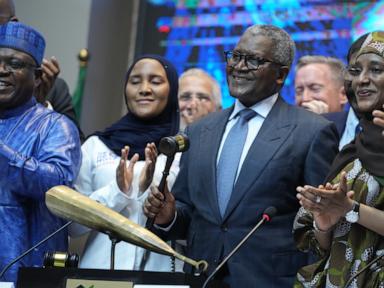
To understand why public ownership changes the emotional texture of this giant, you have to stand in a crowded tenement courtyard in Ikeja on a Tuesday afternoon when the grid has collapsed for the third time that day. You have to listen to the hum of a thousand small generators sputtering in unison, burning expensive petrol just to keep refrigerators cold and phones charged. Fuel is not a commodity here; it is oxygen. When the news spread that everyday citizens—retail investors, market traders, school teachers, and young engineers—could finally buy a stake in the refinery through public shares, the atmosphere shifted.
It was no longer just a billionaire's bet. It became ours.
Consider the mechanic working near Alaba Market, a man named Tunde whose hands are permanently stained with dark oil and who has spent twenty years diagnosing the sudden deaths of car engines choking on adulterated fuel. Tunde does not own a brokerage account. He does not know the vocabulary of float yields or liquidity ratios. But when he talks about the refinery opening its doors to public ownership, his eyes narrow with a different kind of calculation.
"If I own a brick of that wall," he tells you, wiping his palms on a rag that has seen better decades, "then when the smoke rises from those chimneys, I am not just smelling someone else's factory. I am smelling my own future."
That is the psychological alchemy of retail investment. It turns the remote machinery of macroeconomics into a kitchen-table conversation.
For decades, the narrative of African development has been written in giant, impersonal strokes. Multinationals swoop in, extract the wealth, leave behind the environmental scars, and repatriate the dividends to glass towers thousands of miles away. The local population remains a spectator, watching the tankers leave the harbor, holding empty containers. The Dangote refinery's shift toward public retail participation upends that tired script. By inviting ordinary people to become shareholders, the project attempts something radical: democratizing the very veins of the economy.
Yet, we must be honest about the friction beneath the polish.
Massive infrastructure projects are not fairy tales. They are monsters of debt, logistical nightmares, and targets of intense political crossfire. The path from a private mega-refinery to a truly public-backed utility is paved with regulatory disputes, crude supply battles with international cartels, and the sheer mechanical terror of operating a facility designed to process 650,000 barrels of crude oil every single day. When you open ownership to retail investors, you are also inviting the anxieties of people who cannot afford to lose their life savings on a delayed dividend payout.
When the first public share offerings were discussed, financial analysts in glass offices spoke in cautious whispers about valuation caps and regulatory hurdles. They crunched numbers on debt-to-equity ratios and projected margins. But down in the street, the math was simpler. People were asking: Can I trust this? Will my children see a return?
Trust is a fragile currency. In economies scarred by inflation and broken promises, asking people to put their hard-earned cash into a massive industrial bet requires more than a prospectus. It requires a cultural shift. It requires proof that the gates of wealth are not locked from the inside.
Walk through the financial district of Lagos now, and you can feel the quiet hum of participation. Young professionals sitting in cafes with cracked phone screens are trading notes on stock apps. Older women who made their fortunes selling Ankara fabric in crowded markets are pooling their savings through cooperative societies to buy blocks of shares. They are not just investing in refined petroleum products; they are investing in the radical notion that they have a right to the soil beneath their feet and the oil underneath the sea.
This is the invisible story behind the headlines. The physical refinery is an engineering marvel—towers that reach into the clouds, pipes that snake across the landscape like silver serpents, storage tanks large enough to swallow neighborhoods. But its truest test will not be measured in barrels per day. It will be measured in the quiet dignity of a retired civil servant who checks the stock ticker with her morning tea, knowing that the smoke rising on the horizon belongs, in some small measure, to her.
The tankers are still out there, sitting on the dark water of the Atlantic. But the shore has changed. The people are no longer just watching the ships come and go. They are building the dock.