The air smelled of hot asphalt, ozone, and restless anticipation.
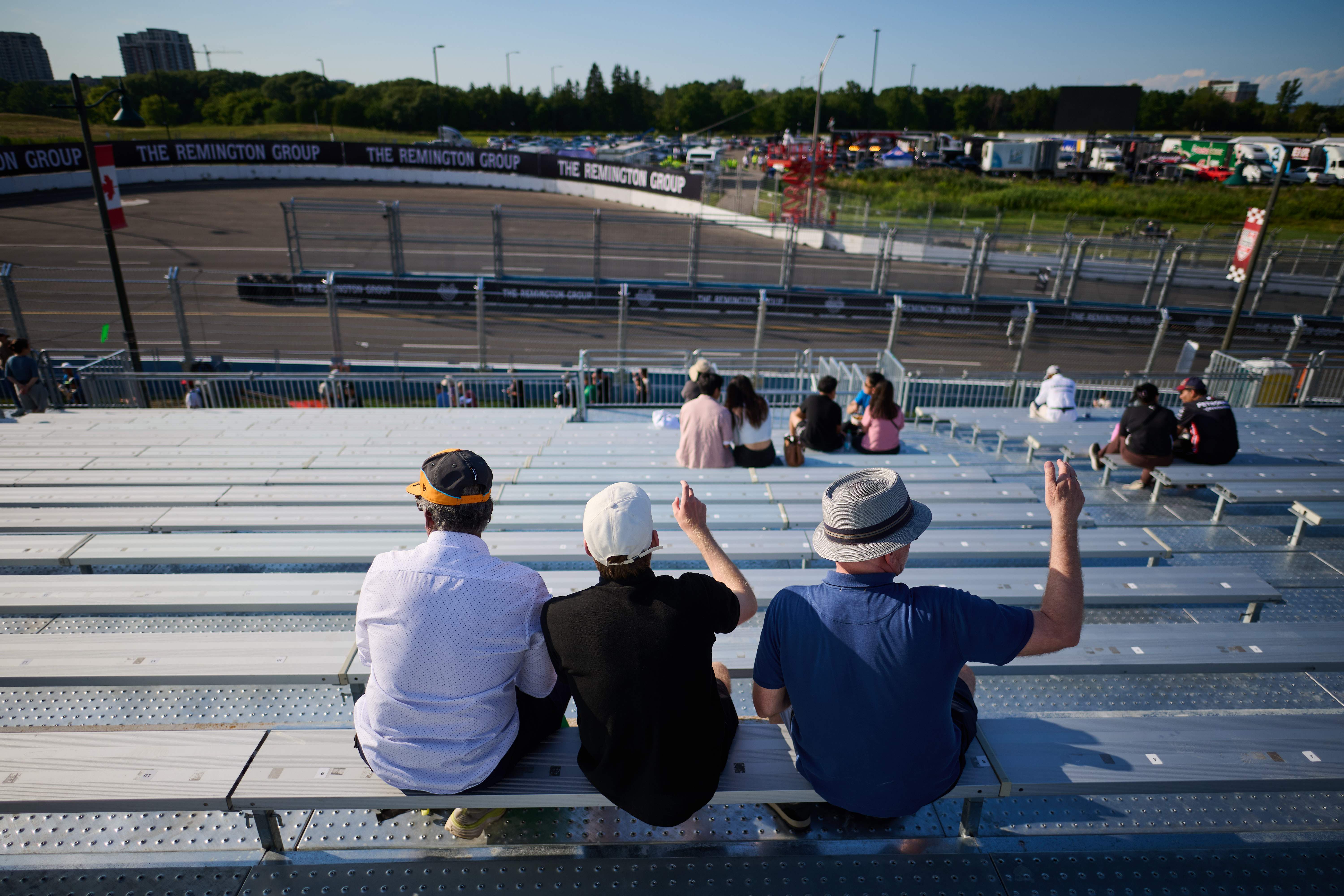
Thousands of spectators had flooded the temporary concrete ribbons carved through the bustling streets of Markham for the inaugural staging of Canada's premier open-wheel racing spectacle, trading decades of tradition at Exhibition Place in Toronto for a brand-new horizon. Families carrying folding chairs, veterans of the grandstands wearing faded racing caps from decades past, and wide-eyed children clutching autograph books waited under a blistering summer sun. They came for Free Fan Friday, a cherished rite of passage in Canadian motorsport where the roar of engines traditionally welcomes the weekend.
Instead, they got silence.
Hours bled away. Track marshals stood idle beside unfinished barrier walls. Safety cutouts in the fencing remained unmounted, and a pedestrian bridge over Enterprise Boulevard sat waiting for final safety sign-offs. By late afternoon, the quiet verdict dropped like a heavy stone. The opening day of practice and qualifying was officially cancelled.
For a massive urban motorsport project, logistics are a cruel master. Building a temporary street circuit—weaving between Kennedy Road, Enterprise Boulevard, the Unionville GO tracks, and Highway 407—is an orchestration of thousands of moving parts. Pouring new road surfaces, aligning heavy concrete barrier segments, securing debris fences, and securing rigorous IndyCar certification cannot be rushed without courting disaster. When the clock ran out on Friday afternoon, organizers faced an agonizing choice. They could rush cars onto an uncertified circuit, or they could face the wrath of disappointed crowds and protect the lives behind the steering wheels.
Safety won. But the human cost of the delay hung heavy over the paddock.
Imagine standing in the sweltering heat, your schedule upended, waiting for machines that will not start. Drivers sat in motorhomes, their helmets resting on tables, burning with the quiet frustration of athletes primed to race who are suddenly told to wait. Series officials voiced sharp disappointment, acknowledging that a premier market like Ontario deserved a smoother birth for its new racing home.
Yet motorsport has always been a game of recovery.
By Saturday morning, the mood shifted from stagnation to kinetic urgency. Gates swung open at dawn. The frantic hum of mechanics wrenching on carbon-fiber chassis echoed through the pit lane as officials completed the final safety certification on the brand-new 2.19-mile, 12-turn street circuit. The green flag finally dropped, compressing a shattered Friday schedule into a high-stakes Saturday sprint of practice runs, qualifying sessions, and support races featuring the USF2000 Championship and the NASCAR Canada Series.
When the first Indy cars finally screamed down the straightaways, the friction and frustration of the previous twenty-four hours evaporated into blue exhaust smoke and screaming horsepower. Markham proved that birth pangs are inevitable when building a new racing tradition from scratch. The rubber has finally met the road, and the concrete speaks for itself.
Watch First day of Ontario Honda Dealers Indy in Markham cancelled due to incomplete track to see visual coverage of the opening day delays and track conditions at the inaugural Markham event.