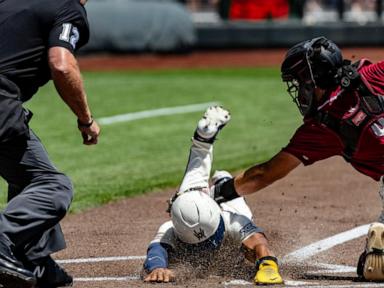
Nothing beats a Game 3.
When the Men's College World Series stretches to a final, winner-take-all showdown, the strategy changes completely. The regular season metrics go right out the window. It's no longer about long-term development or resting players for next week. You win today, or you pack your bags and think about what could have been for the next nine months.
Getting to this point requires surviving a grueling double-elimination bracket in Omaha. By the time two teams reach the final game of the championship series, their pitching staffs are usually running on fumes. Ace pitchers are watching from the dugout, having already thrown maximum pitch counts earlier in the week. Bullpens are stretched to the absolute limit. It becomes a pure battle of depth, mental toughness, and mid-game adjustments.
Managing the Pitching Chaos in a Do or Die Finale
The biggest mistake coaches make in a deciding Game 3 is waiting too long to pull a struggling starter. In a normal regular-season game, you give your starting pitcher room to breathe. You let them work through a rough second inning to save the bullpen.
Not here.
In a winner-take-all matchup, a three-run deficit can feel like a mountain. Successful managers treat every single inning like the ninth. If a starter gives up consecutive hard-hit balls in the first frame, the bullpen starts warming up immediately. We often see top-tier closer roles shifted to the fifth or sixth inning if the game hangs in the balance.
Coaches also rely heavily on "all hands on deck" pitching strategies. This means seeing star starters come out of the bullpen on just two days of rest to face two or three critical batters. It's risky. Muscles are sore, and mechanics can break down. Yet, history shows that teams willing to break traditional roles usually lift the trophy.
The Mental Trap of Omaha Pressure
Playing at Charles Schwab Field in Omaha is intimidating enough. Add the weight of a national championship game, and the field can feel twice as big.
Inexperienced teams often beat themselves before the opponent even gets a hit. They press too hard at the plate, chasing pitches way outside the strike zone because they want to hit a heroic home run. Base runners take unnecessary risks, getting thrown out at third with no outs.
The squad that stays calm wins. It's about executing simple sacrifice bunts, hitting cutoff men, and taking walks.
How Depth Defeats Star Power
Everyone loves talking about the projected first-round MLB draft picks. Those elite hitters and high-velocity pitchers certainly help teams reach Nebraska. But in a deciding third game, the stars often cancel each other out. Opposing scouting reports are thorough, and pitchers know exactly how to pitch around a dangerous slugger.
The title is almost always decided by the bottom half of the lineup.
Think about the number seven, eight, and nine hitters. If those players can grind out eight-pitch at-bats, draw walks, and turn the lineup over to the power hitters, defenses crumble. It forces the opposing pitcher to throw more pitches, accelerating their fatigue.
Key Areas to Watch Right from the First Pitch
If you want to know who has the upper hand early in the broadcast, ignore the scoreboard for a second. Watch these specific details instead.
First, look at the catcher's setup. Is the pitcher hitting the mitt, or is the catcher constantly lunging across the plate to block wild pitches? Early command issues indicate nerves, and college hitters exploit that fast.
Second, watch the defensive positioning. Teams that scout effectively shift their infielders perfectly based on real-time batter tendencies. A single saved by a smart defensive shift completely alters the momentum of an inning.
If you are tracking the action, pay attention to the pitch counts of the primary relievers. A bullpen guy who threw 40 pitches two days ago will likely lose velocity after his first fifteen pitches today. That's when the offense strikes. Keep your eyes on the warm-up pens to see who is getting loose before trouble even starts.