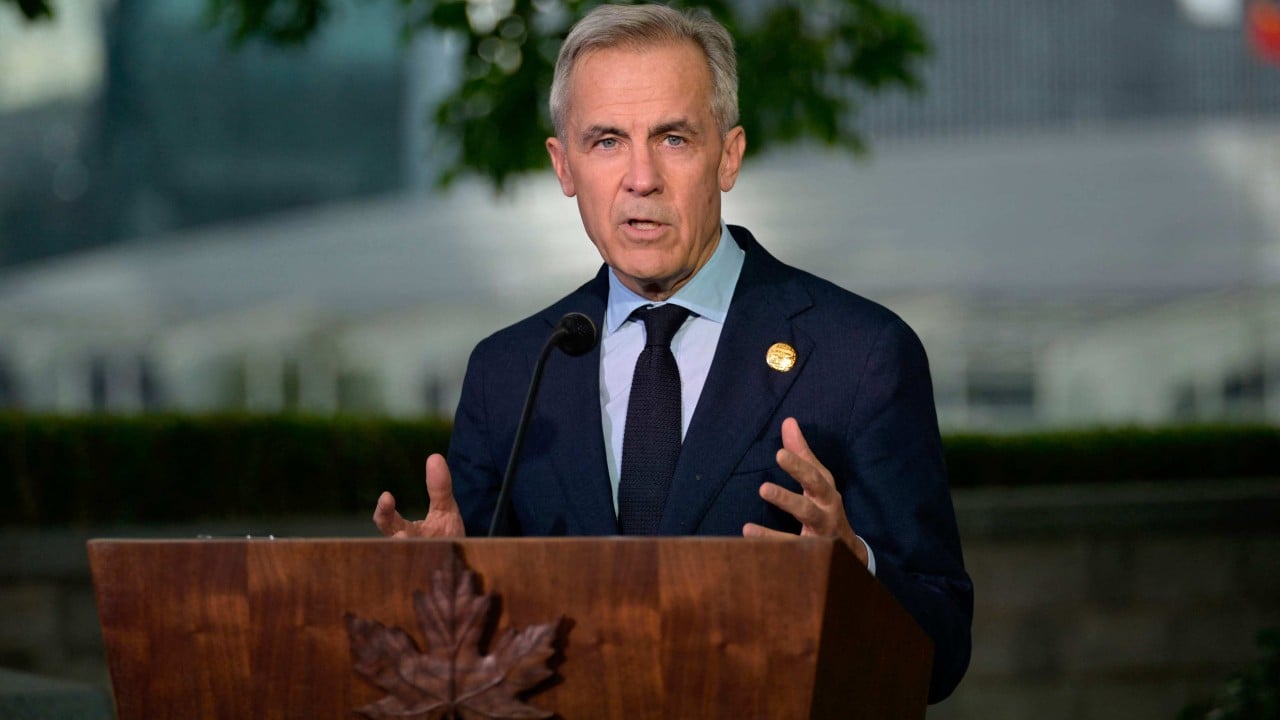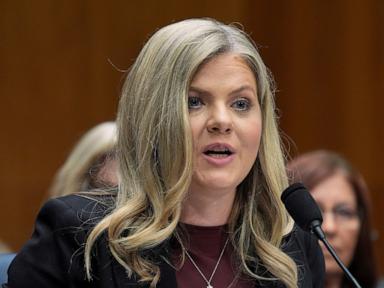
The withdrawal of Dr. Heidi Overton as the nominee to lead the Food and Drug Administration on November 17, 2026, represents a classic institutional failure caused by irreconcilable coalition constraints rather than a simple lack of votes. Announced less than 24 hours before a scheduled vote in the Senate Health, Education, Labor, and Pensions (HELP) Committee, the collapse demonstrates how multi-front ideological demands paralyze executive appointments during a lame-duck transition. While standard political reporting treats the event as a routine personnel setback, an operational audit reveals a deeper structural trap: the White House attempted to satisfy three mutually exclusive legislative blocs using a single regulatory appointment, triggering an automatic confirmation stall.
The Structural Anatomy of the Confirmation Failure
To understand why Overton’s nomination disintegrated between her August 2026 selection and her November withdrawal, analysts must map the competing veto players inside the 119th Congress. An FDA commissioner requires majority approval in the HELP Committee before reaching the Senate floor. In late 2026, that pathway narrowed to a zero-margin exercise due to impending chamber control shifts in January 2027.
Three distinct pressure vectors converged on Overton simultaneously, creating a mathematical deadlock that no single policy commitment could resolve:
- The Institutional Science Bloc: Led by HELP Committee Chairman Sen. Bill Cassidy (R-LA), a physician facing the end of his Senate tenure after a primary defeat. This faction demanded adherence to established clinical trial standards and traditional immunization schedules. During Overton’s September 24 confirmation hearing, her remarks regarding the separation of combination vaccines drew sharp scrutiny from Cassidy, who initially characterized that stance as nearly disqualifying before later working behind closed doors to secure her passage.
- The Anti-Abortion Policy Bloc: A group of conservative senators who viewed the FDA commissioner's statutory authority over mifepristone—the primary medication used in chemical abortions—as a non-negotiable enforcement lever. Despite Overton’s established record opposing abortion and advocating for stricter congressional oversight of mifepristone, these lawmakers demanded explicit, binding pre-confirmation commitments from the White House regarding future regulatory restrictions.
- The Make America Healthy Again (MAHA) Populist Wing: Aligned with Health and Human Services Secretary Robert F. Kennedy Jr., this external and internal movement demanded aggressive disruption of food additive regulations, pharmaceutical industry ties, and conventional vaccine frameworks. Prominent figures within MAHA Action criticized Overton as insufficiently committed to dismantling existing agency structures, viewing her background as a White House domestic policy adviser as too conventional for their reform agenda.
The Coalition Paradox and Competing Narratives
A rigorous comparison of post-withdrawal statements reveals a sharp divergence between the executive branch’s official rationale and the legislative reality inside the HELP Committee.
Official White House communications attributed the withdrawal to a straightforward vote deficit, asserting that Overton lacked the necessary support to clear the committee and the full Senate. Under standard confirmation math, unified Democratic opposition—totaling 11 seats on the HELP panel—meant that losing even a single Republican vote would stall the nomination in committee unless procedural discharge mechanisms were invoked.
However, Senator Cassidy publicly contradicted the administration's vote-count narrative immediately following the withdrawal. Cassidy stated that the White House abandoned a viable confirmation path and asserted that Overton possessed the votes required to advance out of committee and win floor confirmation. According to Cassidy’s account, the breakdown occurred not because of moderate defections over vaccine skepticism, but because the administration refused to issue specific policy guarantees on abortion restrictions demanded by anti-abortion senators as a condition for their final support.
This discrepancy highlights an operational reality in executive nominations: the cost of confirmation exceeds the value of the seat when policy concessions alienate broader electoral coalitions. Had the White House granted the explicit mifepristone enforcement pledges required to lock down the anti-abortion bloc, it risked triggering immediate defections from moderate Republicans and intensifying political liability ahead of the January congressional transition. Conversely, withholding those pledges left the administration exposed to a conservative hold on the committee floor. Pulling the nomination avoided a public intra-party floor defeat while preserving executive flexibility on reproductive drug policy.
Operational Consequences for FDA Governance
The failure to install a Senate-confirmed commissioner leaves the Food and Drug Administration in an extended period of interim leadership, amplifying institutional instability at an agency already undergoing severe structural contraction.
Leadership Attrition and Chain-of-Command Dilution
Since the start of the administration in 2025, the FDA has experienced acute executive turnover and workforce depletion:
- Workforce Contraction: The agency has lost approximately 20% of its total workforce through layoffs, buyouts, early retirements, and voluntary resignations. This loss of institutional memory directly slows review timelines for Investigational New Drug (IND) applications, Biologics License Applications (BLA), and medical device clearances.
- Commissioner Turnover: Dr. Marty Makary resigned from the commissioner role in May 2026 after serving slightly more than one year, following a tenure marked by internal scientific disputes and staff friction.
- Interim Authority Limits: Kyle Diamantas, a former corporate attorney and head of the Human Foods Program, has served as acting commissioner since May 2026. Under the Federal Vacancies Reform Act (FVRA), an acting official faces strict statutory time limits on service and lacks the political insulation of a Senate-confirmed appointee.
Centralization of Regulatory Power at HHS
Senator Cassidy identified the primary governance risk of prolonged acting leadership: an interim administrator lacks the institutional standing to operate independently of the Department of Health and Human Services (HHS).
In a standard regulatory hierarchy, a confirmed FDA commissioner acts as a scientific buffer between political appointees at HHS and the career civil servants evaluating clinical trial data. Without Senate confirmation, the acting commissioner operates entirely at the pleasure of the executive branch without a legislative mandate. This shifts practical decision-making authority upward to Secretary Kennedy’s office at HHS, increasing the probability that political directives override technical review divisions on high-profile issues such as vaccine labeling, food chemical bans, and post-market drug surveillance.
The Lame-Duck Confirmation Constraint
The timing of the November 17 withdrawal locks in a severe calendar bottleneck. Following the November 2026 midterm elections, Democrats secured the majority in the incoming Senate, scheduled to take office in January 2027.
Confirming a new FDA commissioner requires a multi-stage sequential process:
- Vetting and Financial Disclosure: Completion of Office of Government Ethics (OGE) clearances and FBI background checks, typically requiring 3 to 6 weeks even for expedited candidates.
- Committee Hearing and Markup: Scheduling a formal HELP Committee hearing, allowing a mandatory waiting period for written questions for the record, and holding an executive session vote.
- Floor Time Allocation: Filing cloture on the Senate floor, which consumes up to 30 hours of post-cloture debate time per nominee under current Senate rules unless unanimous consent is granted.
With fewer than six weeks of legislative session remaining before the January handover, the probability of vetting, nominating, and confirming a replacement—even a sitting senator such as Roger Marshall (R-KS), whose name surfaced in administration discussions as a potential alternative—is near zero. Once Senate Democrats assume control of the HELP Committee in January 2027, any nominee aligned with the administration’s MAHA platform or anti-abortion regulatory goals will face an immediate committee blockade.
Strategic Playbook for Regulated Life Sciences and Food Sectors
For pharmaceutical executives, biotechnology investors, and food manufacturers, the collapse of the Overton nomination removes the prospect of predictable regulatory leadership for the foreseeable future. Organizations operating under FDA jurisdiction must adjust their compliance and government affairs strategies to account for a decentralized, politically driven agency environment.
- Audit Regulatory Pathways for HHS Escalation: Do not assume that standard review interactions with the Center for Drug Evaluation and Research (CDER) or the Center for Biologics Evaluation and Research (CBER) are insulated from department-level intervention. Companies submitting applications involving vaccines, biologics, or novel food ingredients should model scenarios in which HHS leadership intervenes directly in advisory committee compositions or post-market study requirements.
- Account for Review Velocity Degradation: With a 20% reduction in agency headcount and ongoing leadership churn, Prescription Drug User Fee Act (PDUFA) goal dates face elevated risks of missed deadlines and Complete Response Letters (CRLs) driven by administrative bottlenecks rather than clinical deficiencies. Build a 90-to-120-day buffer into commercialization timelines and capital runway projections for 2027 milestones.
- Shift Engagement from Executive Appointees to Statutory Frameworks: Because an acting commissioner cannot establish durable multi-year agency doctrine, lobbying the FDA front office yields diminishing returns. Regulatory affairs teams should anchor submissions strictly in explicit statutory text and Administrative Procedure Act (APA) standards to ensure that adverse or erratic agency actions remain vulnerable to federal court challenges.
- Prepare for Divided-Government Oversight: Beginning in January 2027, the Democratic-led Senate HELP Committee will pivot from confirmation processing to aggressive oversight. Expect subpoena activity and public hearings targeting FDA staffing losses, vaccine policy revisions, and potential industry influence, which will create secondary reputational and disclosure risks for companies interacting closely with administration health officials.