The Structural Vulnerability of Mediterranean Tourism Assets
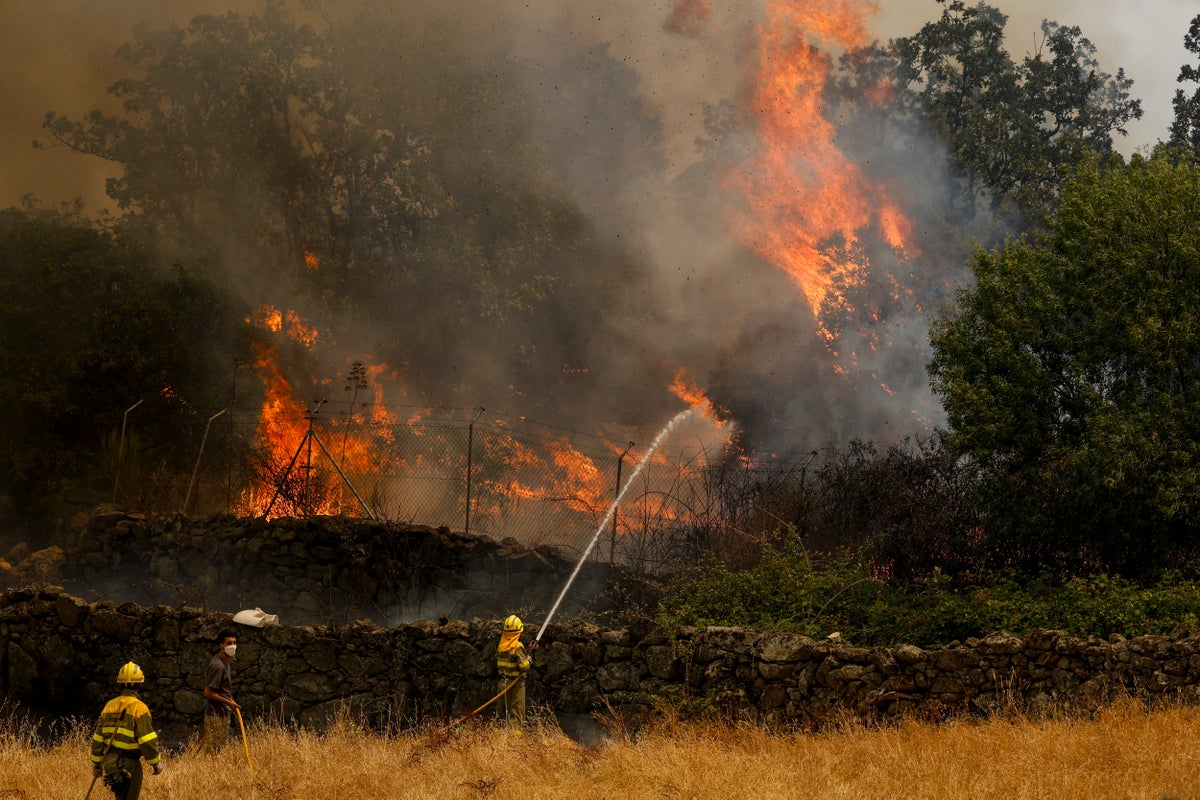
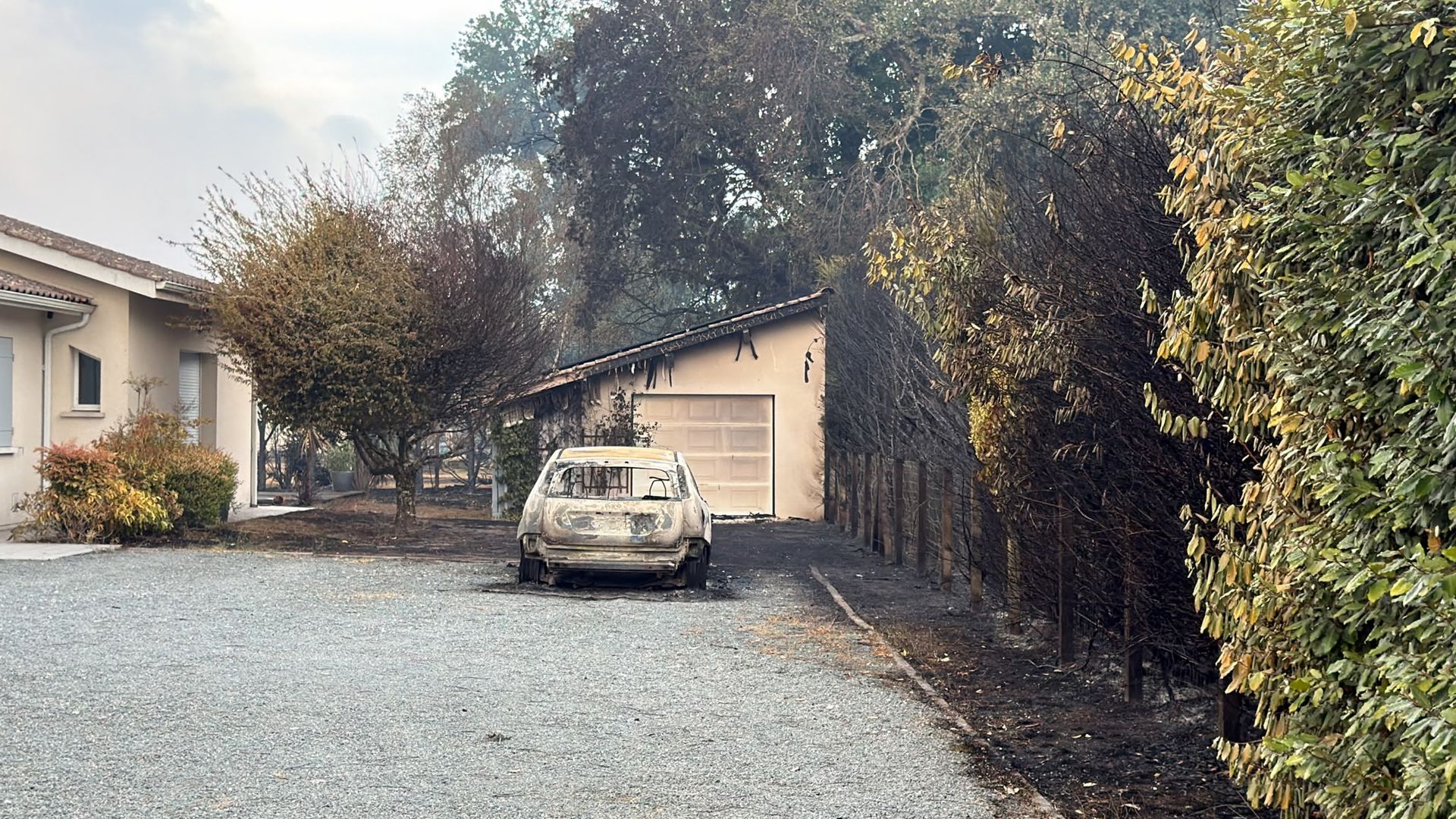
The contemporary European tourism model relies on a fragile spatial assumption: that seasonal peak demand coincides with stable climatic conditions. When extreme heat events and widespread wildfires disrupt southern European destinations, this operational model experiences systemic failure. The transformation of regional hospitality assets—such as wine tourism estates in France and emergency-declared zones in Spain—into makeshift evacuation hubs reveals a deep structural mismatch between legacy infrastructure and accelerating environmental volatility.
Evaluating this crisis requires moving past reactive crisis reporting and examining the economic, logistical, and spatial mechanics that govern destination resilience. Traditional emergency response plans treat climate shocks as external anomalies. In practice, repeated environmental hazards function as structural stress tests that expose the fragility of hospitality supply chains, regional evacuation corridors, and municipal resource allocation. You might also find this similar coverage insightful: Why Celebrating Sarnath as a UNESCO Heritage Site is a Trap for Real History.
The Three Vectors of Destination Collapse
When environmental hazards breach regional containment thresholds, a cascade of operational failures paralyzes the local economy. This collapse follows a distinct trajectory defined by three primary vectors of vulnerability.
Asset Incompatibility and Functional Reversal
Hospitality infrastructure is engineered for retention, comfort, and commercial yield. Wine estates, coastal resorts, and rural lodges optimize their spatial layouts for guest acquisition and extended dwell times. When a wildfire forces a regional evacuation, these assets undergo a sudden functional inversion. As discussed in latest coverage by Condé Nast Traveler, the effects are widespread.
Luxury accommodations must instantly reallocate dining rooms, tasting cellars, and courtyards into triage spaces and temporary shelters. This shift highlights a critical design flaw in modern tourism development: buildings lack modular adaptation capabilities. Because these facilities are optimized exclusively for commercial hospitality, staff members pivot without protocols, straining communication channels and depleting resources meant for guest services.
Logistical Bottlenecks in Rural Evacuation Corridors
Urban centers possess redundant transit networks, multi-lane arterial roads, and mass transit options. In contrast, rural tourism nodes—particularly wine regions and coastal enclaves—typically rely on narrow, linear infrastructure topologies.
When evacuation orders are issued simultaneously across multiple rural sectors, traffic volume instantly exceeds network capacity. The geography of wine regions, characterized by winding valley roads and single-access routes, transforms into a series of chokepoints. This geometry paralyzes private vehicles and emergency response units alike, turning potential evacuation routes into static traps.
Resource Allocation Friction During Municipal Declarations
When national authorities declare emergencies, jurisdiction shifts from local stakeholders to centralized disaster response agencies. This transition creates immediate operational friction.
Local tourism operators understand micro-geographies, localized wind patterns, and private asset availability, but they lack formal integration into state-level civil protection frameworks. Conversely, emergency command centers deploy standardized protocols that often ignore the specific logistical realities of hospitality complexes. The absence of a pre-established command interface between private tourism operators and public civil defense agencies leads to delayed resource deployment and conflicting directives for stranded visitors.
The Economic Cost Function of Climate Shocks
The financial impact of climate-induced displacement extends far beyond immediate property damage or lost room nights. The true economic cost function incorporates several compounding variables:
$$\text{Total Economic Loss} = C_{\text{direct}} + C_{\text{evac}} + C_{\text{brand}} + C_{\text{capital}}$$
- $C_{\text{direct}}$ represents physical asset destruction and immediate operational downtime.
- $C_{\text{evac}}$ captures the unbudgeted cost of emergency logistics, temporary housing provisions, and staff emergency deployment.
- $C_{\text{brand}}$ measures the erosion of destination equity, quantified by long-term declines in forward bookings and repeat visitation rates.
- $C_{\text{capital}}$ accounts for the rising cost of insurance premiums and the necessity for retrofitting facilities to withstand high-threat environments.
As climate volatility normalizes, insurance markets are recalibrating risk assessments. Properties located in high-risk zones face exponential premium increases or complete coverage withdrawal. This forces operators into self-insurance models or leaves them entirely exposed to catastrophic loss. Consequently, capital investment shifts away from experience enhancement toward basic defensive engineering, altering the long-term investment yield of regional tourism assets.
Operational Mechanics of Adaptive Hospitality
Mitigating the systemic risk of environmental disruption requires a complete redesign of how hospitality networks operate under duress. Operators can no longer treat emergency preparedness as a peripheral compliance checklist. It must form the core of asset management and architectural planning.
Decentralized Resource Buffering
Reliance on centralized municipal supply chains during a crisis guarantees failure when municipal networks are overwhelmed. Resilient operators must maintain independent, localized reserves of essential supplies. This includes independent power generation, autonomous water purification systems, and secure communication hardware that functions independently of local cellular grid failures.
By decentralizing resource management, hospitality facilities transform from vulnerable liabilities into autonomous micro-shelters capable of sustaining occupants independently during the critical first seventy-two hours of an emergency.
Dynamic Spatial Reconfiguration Protocols
Facilities must adopt modular architectural standards that allow physical spaces to transition between commercial and emergency configurations without friction. This involves utilizing fire-resistant exterior building materials, automated smoke and ember barrier systems, and multi-purpose interior zones designed for rapid conversion.
Staff training must evolve past basic customer service to include structured emergency triage, crowd management under high-stress conditions, and digital logistics tracking. When employees possess pre-assigned roles within an incident command structure, the friction of sudden evacuation decreases significantly.
Public Private Data Integration
The gap between municipal emergency services and private tourism operators can be closed through real-time data sharing platforms. Regional tourism boards must implement unified tracking systems that monitor tourist density, real-time transportation availability, and asset capacity.
During an active threat, this data layer allows civil defense authorities to route evacuees intelligently, avoiding overloaded arteries and directing populations to facilities with verified surplus capacity. Without this digital integration, emergency management remains reactive, uncoordinated, and reliant on ad-hoc communication.
Strategic Forecast and Asset Reallocation
The recurring intersection of extreme weather and regional tourism hubs signals an irreversible structural shift in Mediterranean and global travel markets. Destinations that fail to modernize their logistical frameworks and spatial designs will face severe market penalization.
Future capital allocation will favor regions that invest in municipal-scale climate hardening, robust transport redundancy, and mandatory emergency protocol integration for all commercial hospitality licenses. Asset owners must audit their operational dependencies, build structural redundancies into their physical plants, and integrate their logistics with regional civil defense authorities before the next environmental shock forces compliance.