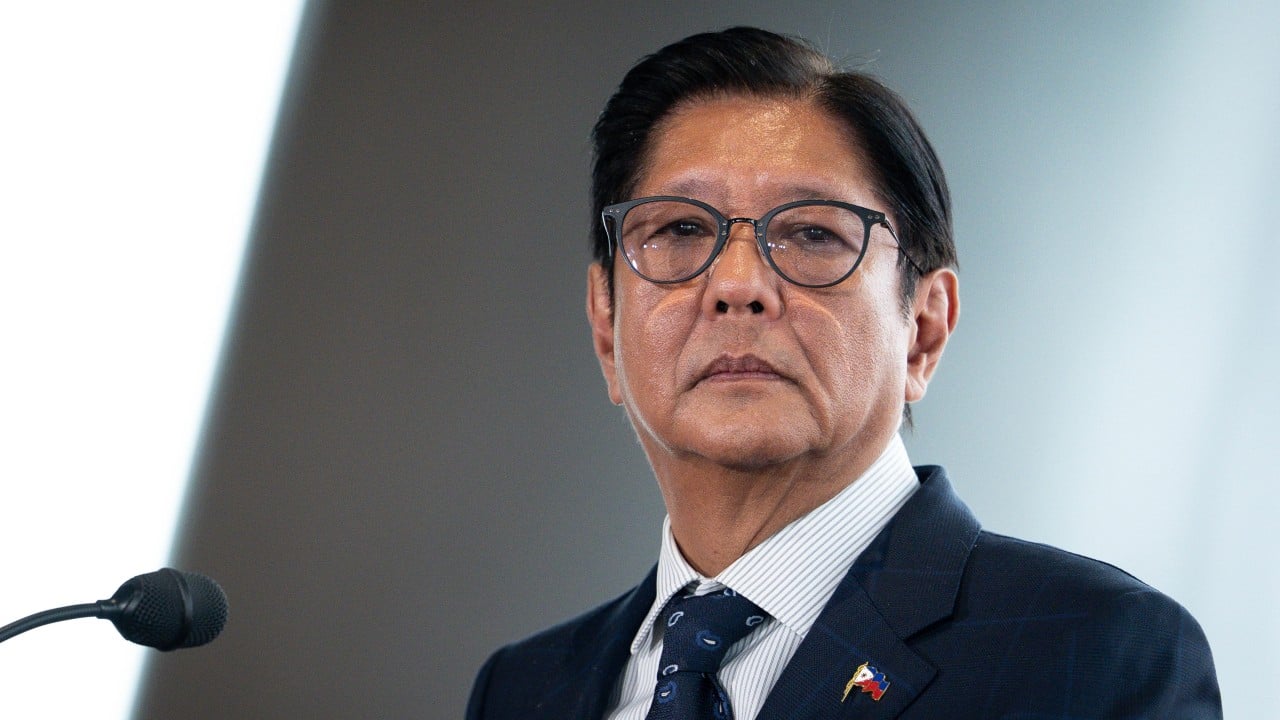
Beijing just tried to play hardball by blacklisting Philippine Defense Secretary Gilberto Teodoro Jr. It's a classic strong-arm tactic. They declared him persona non grata, barred him and his family from entering mainland China, Hong Kong, and Macao, and banned Chinese firms from doing business with them.
The official reason? Beijing claims Teodoro made "irresponsible remarks" that sabotaged bilateral relations. The real reason? Teodoro refuses to stay quiet about Chinese coast guard ships blasting Philippine vessels with water cannons and blocking resupply missions in the West Philippine Sea.
If Beijing thought this move would scare Manila into submission, they miscalculated. Philippine President Ferdinand Marcos Jr. didn't back down. Speaking from Vancouver at the tail end of an official visit to Canada, Marcos slammed the sanctions as "very unhelpful." He pointed out the obvious flaw in China's logic. Cutting off lines of communication between defense establishments makes the region more dangerous, not less. It escalates the risk of a military miscalculation in one of the world's most volatile choke points.
The Sound of Backfiring Diplomacy
Weaponizing visas and financial blacklists against a sitting defense chief is a massive escalation in diplomatic pressure. But in the Philippines, it's having the exact opposite effect of what Beijing intended. Instead of isolating Teodoro, the sanctions have turned him into a symbol of national resilience.
Teodoro himself shrugged off the blacklisting. He called the punishment a standard reaction from a power that hates when people call out its deception. The Department of Foreign Affairs quickly labeled China's move an "unfriendly act" that needlessly complicates an already fractured relationship.
This isn't just about politicians trading barbs. The strategy is actively alienating the Philippine public. A May 2026 Pulse Asia survey revealed that 86% of Filipinos support the government's efforts to defend the West Philippine Sea alongside international allies. By targeting a popular defense chief, Beijing is cementing public anger and giving Marcos the domestic mandate he needs to keep pushing back.
Shifting From Legal Battles to Strategic Strength
For years, the geopolitical conversation around the South China Sea centered on the landmark 2016 arbitral ruling. That decision nullified China's sweeping historic claims and affirmed Manila's maritime entitlements. Yet, legal victories don't stop water cannons.
Local security experts note that while the arbitral award gave the Philippines legal standing, the country now needs strategic strength. The government is currently implementing its comprehensive archipelagic defense concept. This shifts the military's focus away from internal security insurgencies and toward external defense.
Manila is actively upgrading its multi-domain capabilities across land, sea, air, cyber, and information spaces. They aren't doing it alone. Marcos's recent trip to Canada highlights a broader strategy of locking in security partnerships with like-minded nations like the United States, Japan, and Australia.
The Post-2028 Anxiety
Despite the unified front, a quiet anxiety is lingering over Manila's foreign policy circles. Marcos openly admitted his concern about what happens after his term ends in 2028. Philippine foreign policy has a history of whiplash. The country swung from the pro-Beijing stance of the previous administration to the current, highly assertive stance of Marcos.
Beijing knows this. Their long game likely involves waiting out the Marcos administration, hoping the next president will revert to a more submissive policy. By imposing sanctions on Teodoro now, China is sending a warning shot to future Philippine leaders: defy us, and you will face personal and political costs.
Navigating the Dangerous Disconnect
Don't expect Manila to cut ties completely. Marcos explicitly stated that the Philippines will keep communication channels open through government, commercial, and personal avenues. Maintaining dialogue is crucial to preventing an accidental shooting war.
However, dialogue requires both sides to listen. If Beijing keeps using gray-zone tactics on the water and personal sanctions on land, those communication lines won't mean much. The immediate next step for Manila isn't to issue more diplomatic protests. The real test is how fast the Philippines can modernize its fleet, strengthen its coastal defense networks, and deepen its logistical ties with global security partners to make Chinese bullying too costly to sustain.


