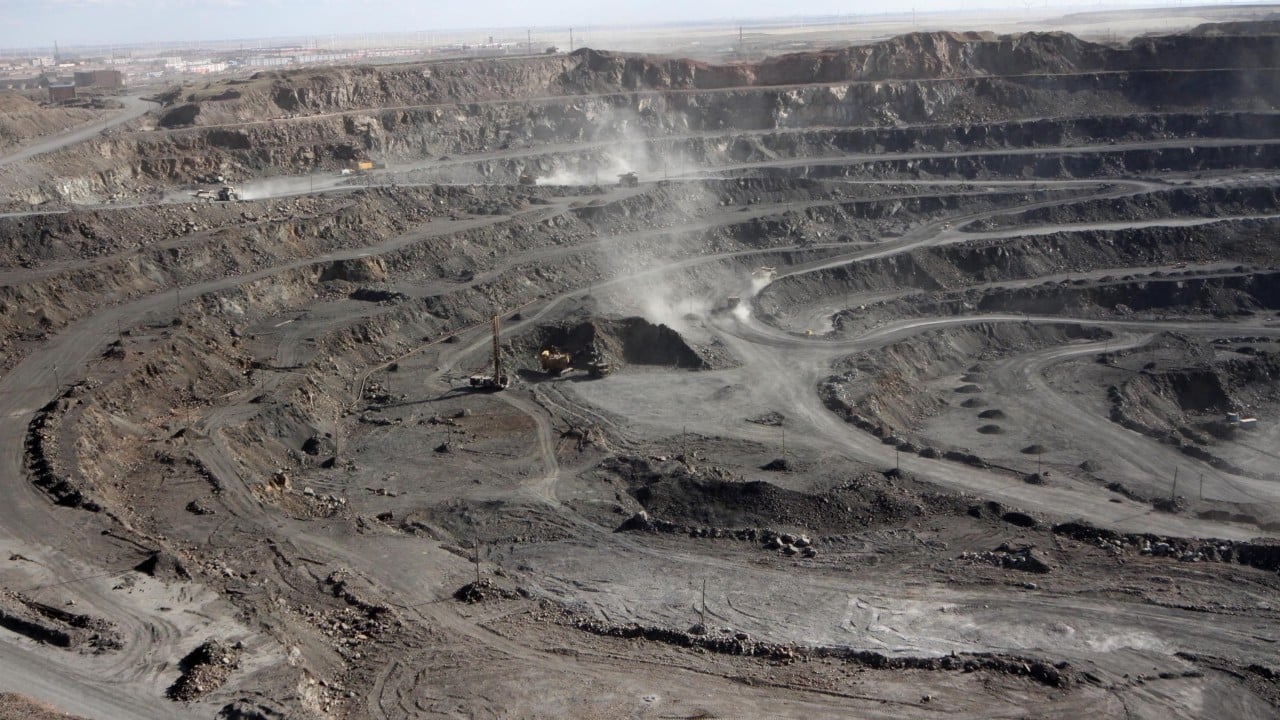
Beijing has quietly cleared the path for a massive structural expansion at the planet's primary heavy rare earth deposit, pushing domestic quotas higher by fifty percent. This acceleration in rare earth production alters global manufacturing leverage overnight. Supply chain executives across Detroit, Wolfsburg, and Tokyo are staring at the same uncomfortable spreadsheet. They realize that securing permanent magnets for electric vehicle motors and defense electronics just became exponentially harder.
The Bayan Obo mining district and southern ionic clay operations do not just supply materials; they anchor the entire foundation of modern electrical engineering. When output spikes by half, the goal is not merely higher volume. It is economic consolidation. By flooding processing channels with raw supply, industrial planners in Beijing make Western recycling ventures and alternative extraction projects economically unviable before those startups even clear their environmental impact assessments.
The Mechanics of Market Dominance
Control over critical minerals rarely comes down to who pulls the dirt out of the ground. It comes down to who has the chemical capacity to separate thirty distinct elements that all look and act nearly identical.
Extraction is messy. Refining is worse. For decades, Western nations outsourced these toxic processes to avoid local environmental liabilities. Acid baths, radioactive thorium tailings, and heavy solvent extraction lanes require strict containment and massive capital expenditure. China absorbed those costs, built out the technical workforce, and engineered an unassailable processing monopoly.
Now, pushing rare earth output higher by fifty percent does not just mean more rocks. It means tightening the chokehold on the refining bottlenecks. If you control the separation facilities, you control the final purity grade. Independent magnet manufacturers outside of Asia find themselves begging for allocations while domestic producers receive prioritized shipments at heavily discounted internal rates.
Why Western Alternatives Keep Stalling
Politicians love to announce domestic critical mineral strategies. Groundbreakings make for great photo opportunities. Actual production lines tell a different story.
Take Mountain Pass in California or Lynas in Australia. Both operations extract significant tonnage, but logistics quickly break down. For years, Mountain Pass shipped its raw concentrate across the Pacific Ocean to be processed in the exact country it was trying to bypass, simply because the domestic separation infrastructure did not exist. Building those facilities takes a decade of permitting, billions in private capital, and constant navigation of local zoning pushback.
Investors demand quarterly returns. State planners in Beijing operate on multi-decade horizons. When a Western startup tries to scale a rare earth separation plant, they run headfirst into a volatile pricing trap. Whenever alternative supply shows signs of life, the dominant player adjusts export quotas or relaxes domestic production caps. Prices crash. The startup goes bankrupt. The dominant player buys the distressed assets for pennies on the dollar.
History repeats itself because the economic incentives heavily favor consolidation.
The High Cost of Green Illusions
The global push toward decarbonization relies on a fragile paradox. Every wind turbine generator and every high-performance traction motor requires neodymium, dysprosium, and terbium. Without these elements, electric mobility grinds to a halt.
By expanding output at the world's largest deposit, producers ensure that the green transition remains tethered to a single geopolitical axis. It is a brilliant masterclass in industrial strategy. Western automakers spent billions designing vehicle platforms around permanent magnet synchronous motors because they offer superior efficiency and power density. Changing those designs now would mean rewriting engineering blueprints that took ten years to perfect.
Engineers face a brutal compromise. Pivot to induction motors that do not require heavy rare earths, accepting a measurable penalty in vehicle range and energy efficiency. Or stay the course, hoping that geopolitical friction does not boil over into outright supply embargos.
There is no easy workaround. Chemistry is stubborn. Physics does not care about trade agreements or diplomatic summits.
The Geopolitical Chessboard
Trade restrictions rarely arrive with warning sirens. They start with unexpected customs delays, tightened licensing requirements, and selective export controls on refined metal alloys.
When a nation controls the foundational inputs of modern technology, standard rules of international commerce bend. The fifty percent production expansion acts as both a shield and a sword. It satisfies domestic employment targets for mining regions while signaling to foreign competitors that trying to decouple is an expensive illusion.
Stockpiles maintained by Western defense departments offer a temporary cushion, but military hardware represents only a fraction of total consumption. Commercial applications drive the volume. When consumer electronics, medical imaging machines, and industrial robotics all draw from the same constrained pool, priority goes to the highest bidder or the domestic champion.
The window to establish independent supply chains is closing fast. Pumping more volume out of Bayan Obo ensures that the cost floor remains lower than anyone else can sustainably manage. Market economics dictate the outcome, and the math heavily favors the incumbent with the shovel, the acid, and the monopoly.