The numbers do not scream. They bleed. When foreign direct investment into the world's second-largest economy contracts for consecutive quarters, the mainstream financial press reaches for familiar metaphors. They talk about cooling engines, cyclical adjustments, and temporary headwinds. They are wrong. What is happening inside Beijing's financial corridors is not a cyclical dip. It is a structural rejection of a model that has exhausted its utility.
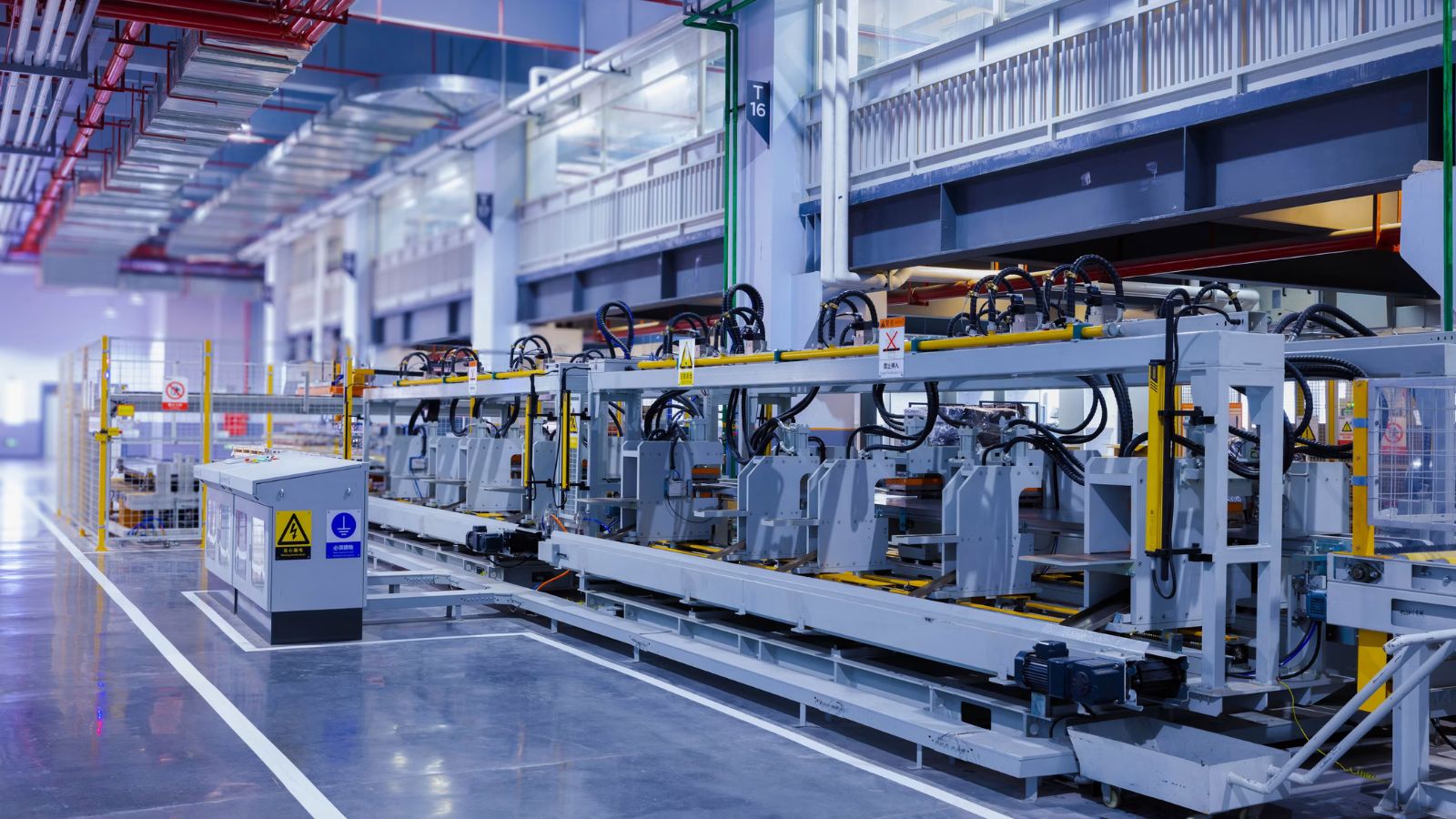
China investment slump deepens as capital flees, factories sit underutilized, and state-backed balance sheets groan under the weight of historic debt. For decades, the formula was simple: mobilize cheap labor, pour concrete, build infrastructure, and let the state direct credit into industrial expansion. That formula has hit a brick wall. Domestic consumption remains paralyzed by household debt, property sector decay, and systemic uncertainty. Foreign corporations are quietly unwinding decades of supply chain integration, rerouting capital toward Vietnam, India, and domestic shores.
Understanding this contraction requires looking past the official gross domestic product metrics. Those figures tell you what happened yesterday through a political lens. The real story lives in the balance sheets of multinational conglomerates quietly liquidating joint ventures, the quiet shutdown of manufacturing lines in Guangdong, and the drying up of venture capital in Shenzhen.
The Anatomy of Capital Flight
Capital does not panic overnight. It calculates, it hesitates, and then it moves with ruthless efficiency. The current contraction in inbound capital is driven by a fundamental reassessment of risk. For thirty years, Western boardrooms accepted regulatory opacity and political intervention as the price of admission to a billion-consumer market. That calculus changed the moment geopolitical tensions hardened into economic policy.
Consider the regulatory tightening that swept through technology, education, and real estate sectors over recent years. While intended to curb monopolies and rein in financial risk, the sudden, unannounced decrees shattered investor confidence. When rules can be rewritten by regulatory fiat over a weekend, long-term capital planning becomes an exercise in guesswork.
The Regulatory Chilling Effect
Investors hate uncertainty more than they hate high taxes. When a major technology firm can lose billions in market capitalization because of an afternoon policy shift, boardrooms take notice.
- Predictability Deficit: Foreign enterprises require stable legal frameworks to amortize capital expenditures over decades. Sudden policy shifts destroy this horizon.
- Compliance Burdens: Expanded anti-espionage laws and data security regulations have turned routine corporate due diligence into legal minefields for foreign executives operating on the ground.
- Exit Friction: Repatriating capital from mainland entities has grown increasingly complex, prompting treasurers to halt new investments entirely rather than risk getting trapped.
This friction manifests clearly in foreign direct investment data. Multinationals are no longer reinvesting retained earnings inside their Chinese subsidiaries. Instead, they are pulling cash out.
The Real Estate Anchor
You cannot discuss the investment drought without examining the carcass of the property market. Real estate and its sprawling supply chains historically accounted for roughly a quarter of domestic economic activity. Entire provincial governments funded their operations by selling land use rights to developers who borrowed aggressively against future appreciation.
That perpetual motion machine seized up. Major developers defaulted, towers stand half-finished across second- and third-tier cities, and middle-class households—who parked up to seventy percent of their wealth in residential property—saw their net worth evaporate.
When property values drop, consumer confidence follows. Families stop buying automobiles, appliances, and luxury goods. They save. They hoard cash. They hedge against an uncertain tomorrow. This domestic demand deficit creates a dual crisis. Not only are foreign investors pulling back due to lower domestic consumption growth, but domestic private enterprises are also refusing to invest because factory utilization rates are dropping.
Overcapacity and the Export Flood
Trapped between weak domestic demand and massive industrial capacity, Chinese manufacturers are doing what any desperate producer must do. They are exporting their way out of trouble.
Electric vehicles, solar panels, and legacy semiconductors are flooding global markets at aggressive price points. This industrial strategy temporarily keeps factory floors humming and employment figures stable, but it triggers massive international backlash. Tariff walls are rising in Brussels, Washington, and developing economies alike. You cannot dump manufactured goods onto global markets forever without inviting severe protectionist retaliation. The world is simply no longer absorbing China's industrial surplus without a fight.
The Structural Impasse
Beijing understands the diagnosis, but the prescribed cures carry immense political risk. Shifting the economy toward consumer-led growth requires strengthening the social safety net, increasing household disposable income, and dismantling the dominance of state-owned enterprises.
State-owned enterprises consume the lion's share of bank credit while producing lower returns on equity compared to private competitors. Yet, policymakers are hesitant to starve these corporate behemoths of capital because they guarantee employment stability and political loyalty.
Privatization and structural reform mean letting inefficient enterprises fail. It means accepting higher unemployment in the short term to achieve sustainable growth in the long term. Thus far, leadership has chosen the path of least resistance: doubling down on advanced manufacturing and high-tech industrial policy.
High-Tech Bets and Bottlenecks
The state is pouring billions into semiconductors, robotics, and green energy technologies to secure self-reliance. While this strategy yields impressive domestic champions in specific sectors, it cannot absorb the millions of workers displaced from construction and traditional manufacturing. Furthermore, export controls imposed by Western nations are starving domestic semiconductor firms of the advanced lithography equipment necessary to maintain a technological edge.
Innovation cannot be commanded into existence by central decree. It requires open academic exchange, free flow of information, and a vibrant private sector willing to take calculated risks. When brilliant engineers and entrepreneurs spend more time studying political ideology than market dynamics, technological momentum slows.
The Global Repercussions
The investment slump inside the world's second-largest economy is not a localized event. Supply chains are deeply intertwined. Commodity exporters in Latin America, heavy machinery manufacturers in Germany, and semiconductor fabricators in Taiwan all feel the chill.
When Chinese demand for copper, iron ore, and industrial chemicals softens, commodity-driven economies face fiscal squeezes of their own. Multinational corporations are diversifying their footprint not out of political malice, but out of basic fiduciary duty. Diversification has replaced optimization as the guiding philosophy of global commerce. Factories are moving to India for scale, to Vietnam for assembly, and back to domestic soil for national security.
The era of hyper-globalization defined by frictionless manufacturing in a single dominant hub is over. We have entered a fragmented, regionalized economic reality where risk mitigation trumps cost reduction every single time.
The capital is gone, the old models are exhausted, and the structural adjustments required to restart the engine strike at the very heart of the political system