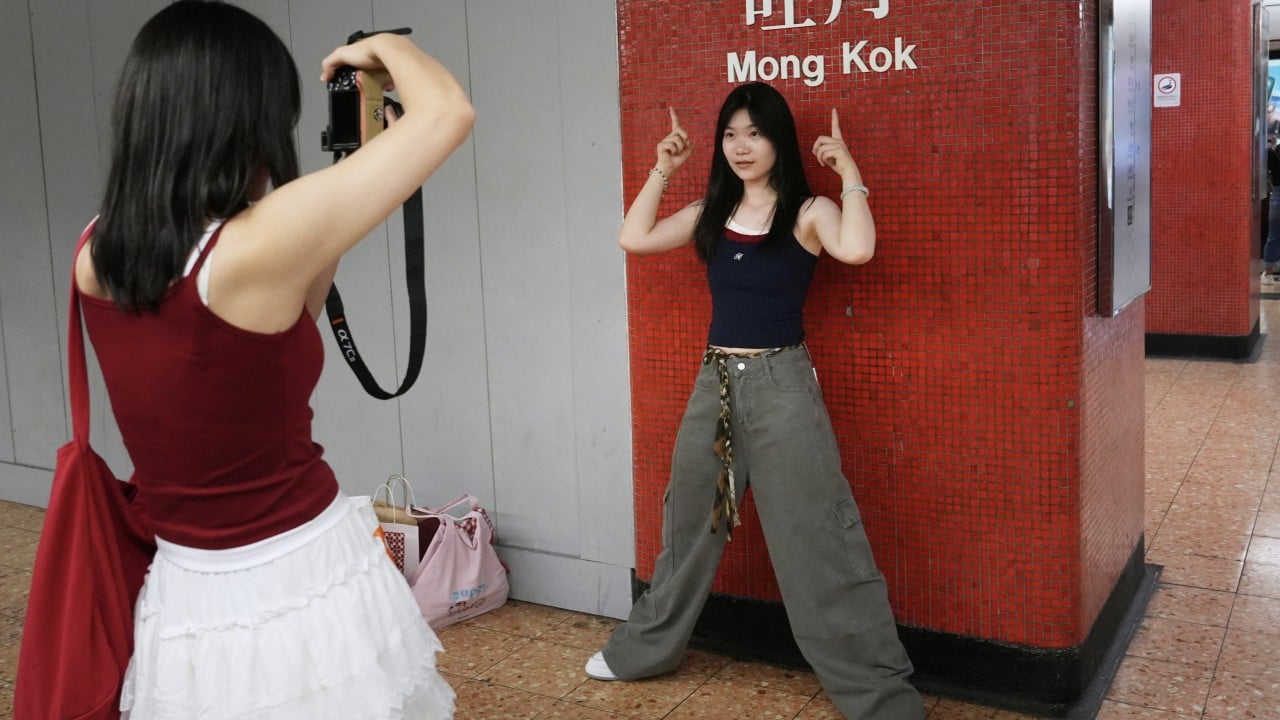
Walk into a scenic spot in Hangzhou or a trendy cafe in Shanghai, and you see the exact same thing. People aren't looking at the scenery. They aren't tasting the coffee. They're staging photos, adjusting ring lights, and hunting for the perfect angle.
This is the reality of China check in culture, known locally as daqa. It started as a harmless way to share travel highlights on social platforms like Xiaohongshu and Douyin. Now, it has spiraled into an exhausting lifestyle obsession that dictates where people go, what they buy, and how they behave.
It's getting out of hand. The constant drive to document every single experience is ruining the actual experience of living. We need to talk about why this happens and how to claw back some reality.
The Toxic Rise of Daqa Culture
Originally, daqa just meant clocking in at work. It was mundane. Somewhere along the line, social media apps turned it into a badge of honor. Checking in at a high-end restaurant or a hidden alleyway became visual proof of a curated life.
It creates a strange, artificial economy. Businesses now design their spaces solely to attract influencers. If a cafe has the right minimalist concrete wall or a specific neon sign, hundreds of teenagers will line up for hours. They buy a forty-yuan latte, snap ten photos, check in online, and leave without drinking the coffee.
This behavior ruins public spaces for everyone else. Famous spots like the Anfu Road in Shanghai have turned into open-air studios. Regular pedestrians have to dodge amateur models and aggressive photographers just to walk to the grocery store. Local residents complain about the noise and the loss of privacy. It's a performative way to live, and honestly, it's draining.
The Psychological Cost of Constant Sharing
Why are people so hooked? It comes down to digital validation. In a highly competitive society, social media status offers a quick hit of dopamine. A post that gets thousands of likes creates a temporary illusion of success.
But it has a dark side.
- Anxiety peaks when a post fails to perform.
- Authenticity dies because choices are made for the camera, not personal enjoyment.
- Financial strain increases as young people spend beyond their means to visit expensive check in destinations.
A study by researchers at Peking University highlighted how excessive social media documentation directly correlates with higher stress levels among young adults in urban areas. When your leisure time feels like extra work, something is broken.
The Fake Destinations and Disappointment
The obsession has gotten so intense that it has bred a culture of exaggeration. On apps like Xiaohongshu, users apply heavy filters and clever angles to make ordinary locations look like European paradises. They call a muddy pond in Zhejiang "The Little Switzerland of China."
When regular tourists follow these guides, they face massive disappointment. They arrive to find trash, crowds, and a view that looks nothing like the viral photos. This phenomenon has caused a wave of backlash online, with users creating threads to expose deceptive check in spots.
It hurts local tourism too. Instead of building sustainable, high-quality attractions, some regions rush to build cheap, photogenic gimmicks like glass bridges or giant swing sets. These gimmicks fade quickly when the next trend pops up, leaving local economies stranded.
Setting Smart Boundaries for Social Media Use
You don't have to delete your apps entirely. Social media is great for discovering new places. The goal is to stop letting the algorithm run your weekend plans. Here is how to regain control over your life and enjoy your time offline.
The Ten Minute Rule
When you arrive at a new location, put your phone in your pocket. Force yourself to look around, breathe the air, and take in the environment with your own eyes for at least ten minutes. If you still want to take a photo after that, go ahead. But let the real memory form first.
Go Destination Blind
Pick a day to explore your city without looking at a map or an app recommendation engine. Walk down random streets. Eat at a restaurant that has zero reviews online. You will find that the most rewarding experiences are often the ones that haven't been optimized for likes.
Curate for Yourself Not the Grid
Before you take a photo, ask yourself a simple question. Am I taking this to remember this moment, or am I taking it to show other people where I am? If it's the latter, drop the camera. Keep some memories private. Not every meal, sunset, or outfit needs to be broadcast to thousands of strangers.
The shift won't happen overnight. The pressure to conform to digital trends is strong. But true luxury in a hyper-connected world isn't a viral photo at a crowded cafe. It's the ability to sit quietly, enjoy a moment, and not feel the urge to tell the world about it. Start small on your next day off. Leave the ring light at home, buy a coffee because you actually want to drink it, and let the grid wait.