The press release playbook for regional development is tired. Slap a buzzword like innovation onto a master plan, draw up blueprints for sleek glass boxes, and promise discounted rent to anchor tenants.
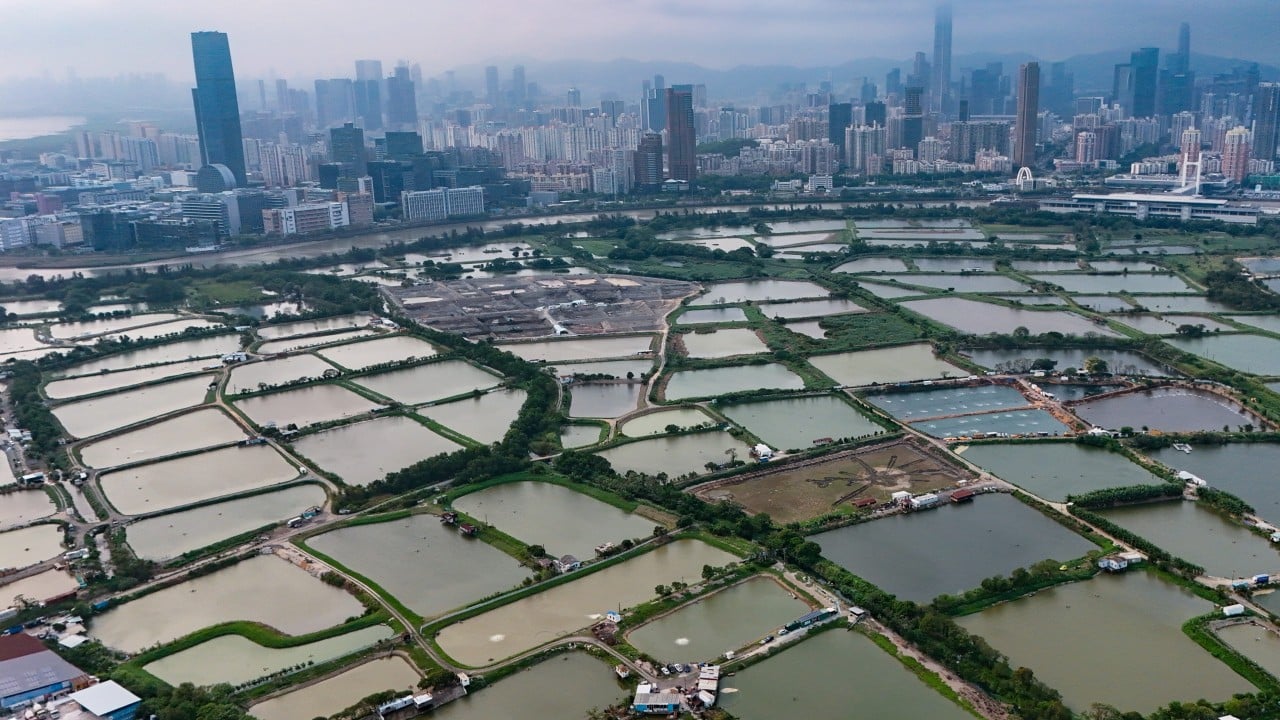
Hong Kong is playing that exact script with the San Tin Technopole. The pitch is simple and seductive. Offer cheap land, lure multinational corporations, and watch the talent flow in. It is a comforting narrative for bureaucrats who measure progress in square footage. Read more on a similar issue: this related article.
It is also entirely detached from how modern technology clusters actually work.
I have spent the last decade watching companies burn capital trying to engineer ecosystems out of concrete and subsidies. Rent is rarely the primary constraint for a serious engineering outfit. Talent density, intellectual property protection, regulatory clarity, and speed to market dictate success or failure. If a startup or a research lab needs a handout on real estate to survive, their underlying unit economics are already broken. Additional reporting by Forbes explores related perspectives on the subject.
Focusing on discount square meters is a symptom of a deeper malaise. It treats innovation as a structural engineering problem rather than a cultural and capital allocation challenge.
The Rent Reduction Fallacy
Let us dismantle the core premise of the San Tin strategy. The assumption is that high land costs keep innovative firms out of the territory, so state intervention via subsidized space will fix the deficit.
This argument misunderstands why founders choose a base of operations.
Real estate expenses are a rounding error for a high-growth technology company compared to headcount and engineering payroll. A firm paying millions annually for top-tier artificial intelligence researchers or hardware designers does not relocate because office space drops by thirty percent. They move where the talent pool is deep, where cross-border data flows are frictionless, and where venture capital deploys without friction.
When a government leads with cheap land, it attracts rent-seekers rather than risk-takers. You end up subsidizing corporate branch offices that treat the territory as a satellite sales outpost rather than a crucible for breakthrough research. They take the discount, park a skeleton crew in the building, and quietly offshore core intellectual property creation to jurisdictions with fewer regulatory hurdles and deeper capital markets.
Subsidizing space subsidizes mediocrity. If the product cannot generate enough margin to pay market rate for a desk, the business model has no business existing.
Proximity is Not Integration
The San Tin Technopole is marketed as a bridge to the broader manufacturing and industrial might across the border. Proximity to Shenzhen is supposed to solve everything. Hardware startups can design in Hong Kong and spin up prototypes just miles away.
In theory, this creates a powerhouse corridor. In practice, administrative friction often turns a short drive into a bureaucratic marathon.
Geographic closeness means nothing without operational fluidity. If shipping a prototype across the boundary requires customs choreography that takes days, the advantage evaporates. Shenzhen moves at a pace that makes traditional corporate planning look like glacial drift. A government-backed park governed by legacy administrative protocols cannot keep pace with a market that iterates hardware versions in weeks.
Furthermore, trying to out-hardware Shenzhen on manufacturing scale is a fool's errand. Shenzhen won that game decades ago through relentless private sector competition, supply chain density, and pragmatic risk-taking. Hong Kong cannot zone its way into becoming a hardware capital by offering cheaper drywall next to the border.
What Actually Builds a Tech Hub
If cheap land is a distraction, what matters?
First, institutional trust. Technology builders need absolute confidence in contract enforcement, data privacy, and the unhindered movement of capital. The moment a market has to negotiate its legal and regulatory boundaries, founders look elsewhere. Predictability is worth infinitely more than a rent holiday.
Second, radical visa and talent reform. The battle for engineering talent is global. If a top-tier machine learning researcher from Zurich or a semiconductor designer from Austin has to navigate a labyrinthine bureaucratic process to secure residency, they will stay home or go to Singapore. The talent pipeline must be frictionless. Period.
Third, venture depth. Technology clusters are forged by private capital hunting asymmetrical returns, not state development funds picking winners and losers through committee approvals. When venture capitalists control the purse strings, they kill bad ideas fast and fund outlier bets aggressively. Government committees tend to fund safe, consensus-driven projects that look good on a slide deck but fail to capture imagination or market share.
The Cost of the Wrong Metric
Governments love square footage because it is visible. You can cut a ribbon in front of a shiny facade. You can point to occupancy rates in a report.
Measuring square footage is much easier than measuring the velocity of intellectual property creation or the density of high-impact entrepreneurial failures. But the latter is where actual ecosystems are born.
San Tin might fill its buildings. It might attract a roster of corporate logos that look impressive on a government website. But unless the fundamental approach shifts from real estate management to institutional ruthlessness and market freedom, the technopole will remain a very expensive, very quiet collection of empty desks.
Stop subsidizing the rent. Fix the friction.