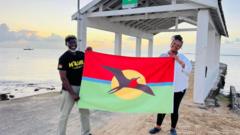
You pack your bags, catch a flight, and head to a tropical paradise expecting open sands and clear blue water. But when you get there, a massive concrete wall blocks your path. A security guard tells you to turn around. This isn't a hypothetical scenario. It's the daily reality for millions of residents across the Caribbean who are watching their public coastlines disappear into the hands of mega-resorts and foreign billionaires.
The battle over Caribbean beaches is reaching a boiling point. For decades, cash-strapped governments welcomed foreign luxury developers with open arms, trading pristine coastlines for short-term economic boosts. Now, the tide is turning. Grassroots movements from Jamaica to Antigua are aggressively pushing back to reclaim their ancestral lands.
The core issue isn't just about tourism. It's about sovereignty, cultural survival, and basic human rights.
Why Caribbean Beaches Are Becoming Private Playgrounds
Most Caribbean nations have laws stating that all beaches are public property up to the high-water mark. If the law protects public access, how are foreign developers successfully shutting locals out.
The strategy is simple. Developers buy the private land surrounding the beach. While they don't technically own the wet sand, they completely block the physical pathways leading to it. If you can't walk, drive, or hike to the shore without trespassing on hotel property, the beach becomes functionally private.
Look at what happened in Jamaica with the famous Seven Mile Beach in Negril or Mammee Bay. Decades of unregulated hotel construction created a solid wall of mega-resorts. Locals who grew up swimming in these waters find themselves barred from entering. Security teams routinely harass residents while turning a blind eye to international tourists.
Governments often look the other way because they're hooked on foreign direct investment. They need the tax revenue. They want the construction jobs. But this creates a predatory dynamic where foreign capital dictates local geography.
The Myth of Economic Progress
Proponents of massive resort developments always point to the economy. They promise jobs, infrastructure, and global prestige. But if you look closer at the actual numbers, that wealth rarely trickles down to the community.
Most luxury mega-resorts operate on an all-inclusive model. Tourists fly in on foreign airlines, take foreign-owned shuttles to the resort, sleep in rooms owned by European or American conglomerates, and eat imported food. The profits don't stay in Nassau, St. John's, or Kingston. They fly right back to corporate headquarters in Miami, London, or Madrid.
Local workers get trapped in low-wage, seasonal hospitality jobs. They become maids, bartenders, and gardeners on land their grandparents used to farm or fish.
Worse, these massive developments destroy the local fishing economy. When a resort builds a private marina or constructs artificial barriers to create a calm swimming zone for tourists, they ruin coral reefs and disrupt marine habitats. Local fishermen get pushed farther out to sea, facing higher fuel costs and dangerous conditions just to bring home a catch.
Grassroots Movements Disrupting the Status Quo
Locals aren't taking this sitting down anymore. A new wave of resistance is sweeping through the region, driven by activists who refuse to be spectators in their own countries.
In Puerto Rico, the movement hit a massive flashpoint with protests at Playuela and Rincón. Activists successfully halted major construction projects by occupying the spaces, filing environmental lawsuits, and using social media to expose illegal building practices. They didn't just hold signs. They brought physical evidence of environmental violations to the courts.
Antigua and Barbuda faces a similar showdown. The Barbuda Land Act of 2007 historically protected the island’s communal land ownership system, a tradition dating back to the abolition of slavery. But recent legislative changes aimed at forcing through luxury developments, like the controversial Barbuda Ocean Club, sparked furious legal battles. Local advocates took their fight all the way to the Privy Council in London to defend their collective property rights.
Over in Jamaica, groups like the Jamaica Beach Birthright Environmental Movement are fighting to amend outdated colonial-era laws. They want explicit, constitutional guarantees for public beach access. They organize swim-ins, marching onto beaches blocked by resorts to assert their historical rights.
Environmental Destruction Hidden Behind Eco-Friendly Marketing
Every new resort claims to be green. They talk about solar panels and plastic-free straws. It's mostly marketing nonsense.
Building a massive resort right on the shoreline requires destroying mangroves and sand dunes. These natural ecosystems are the first line of defense against hurricanes and rising sea levels. When you replace a mangrove forest with a concrete hotel foundation, you kill the natural nursery for local fish and invite severe coastal erosion.
The irony is brutal. Developers destroy the natural beauty that drew them to the region in the first place, then leave the local community to deal with the ecological fallout when storms hit.
How to Be a Responsible Traveler
If you love the Caribbean, you shouldn't stop visiting. Tourism is vital. But you need to change how you spend your money. Your choices as a consumer directly impact whether these predatory developments succeed or fail.
Ditch the massive all-inclusive mega-resorts owned by multi-national corporations. Seek out locally owned boutique hotels, guesthouses, and villas. When you stay at a property owned by a local family, your money directly funds the community, supporting local schools, agriculture, and businesses.
Eat at independent restaurants. Hire independent, licensed local tour guides instead of booking excursions through corporate cruise lines or resort desks.
Before you book a stay, research the property's relationship with the local community. Do they block public access to the beach. Are they facing protests or active lawsuits from local environmental groups. If a resort has a history of policing locals off the sand, take your business elsewhere.
True sustainability isn't about saving towels. It's about respecting the people who actually live there. Stand with local communities by demanding open beaches for everyone, not just the wealthy few. Your travel footprint matters, so make sure it supports the people who call paradise home.