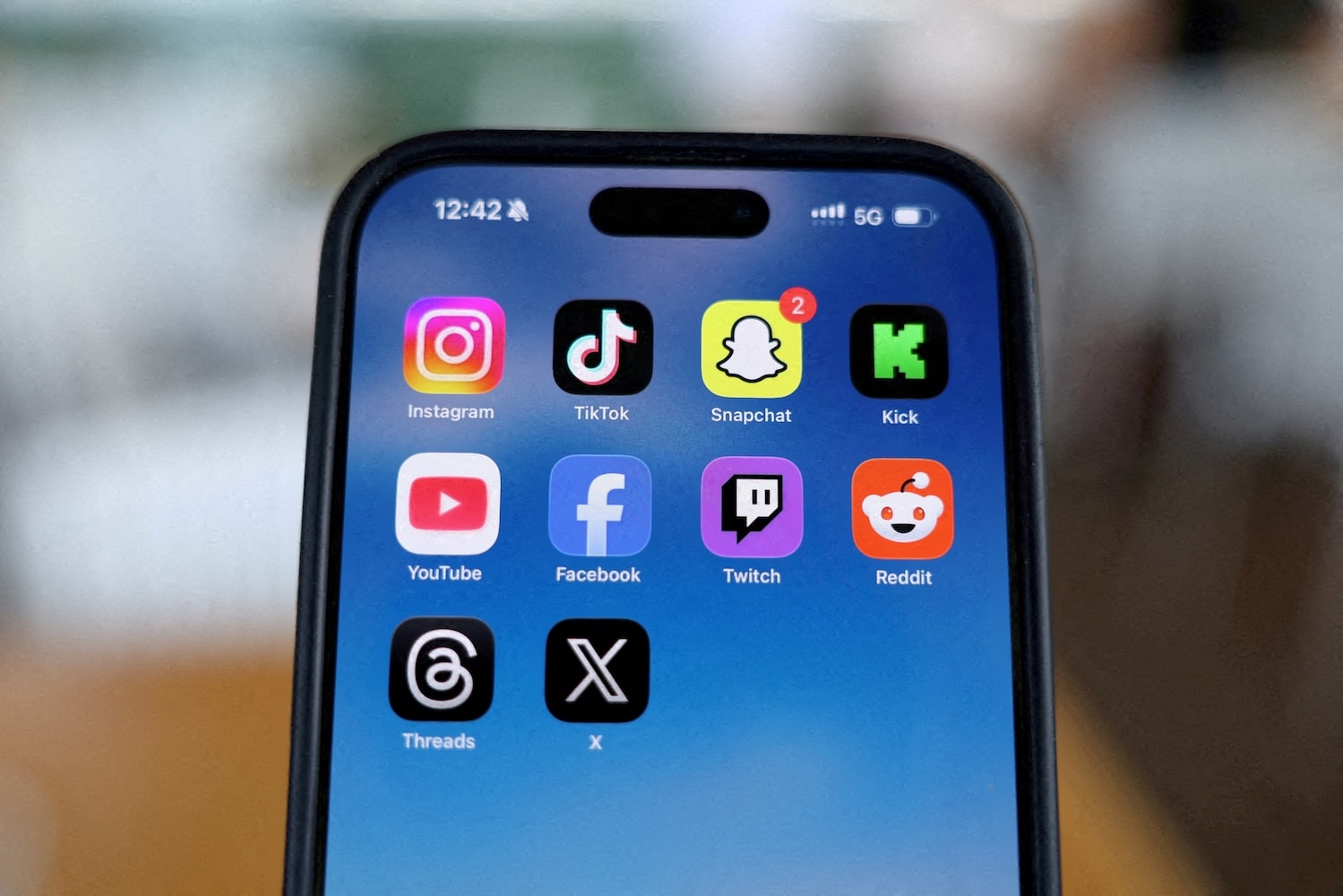
Ottawa just pulled the pin on a legislative grenade. With the introduction of Bill C-34, the Safe Social Media Act, the federal government is attempting to ban Canadians under 16 from holding social media accounts. The political sales pitch sounds spectacular: Culture Minister Marc Miller is marching out to tell parents he is saving their kids from the clutches of algorithm-induced depression, cyberbullying, and synthetic deepfakes.
But anyone who understands network architecture, internet routing, or basic teenage psychology knows this is a catastrophic policy failure in the making.
This isn't a digital safety initiative. It is a mass-surveillance apparatus masquerading as child protection. By attempting to legislate a digital wall around teenagers, Canada is about to trigger an unprecedented boom in unmonitored digital black markets, decentralized communication channels, and identity fraud.
The Myth of the Clean Internet
The fundamental premise of Bill C-34 relies on a fatal misunderstanding of how the web functions. The Canadian government believes it can mandate age verification for platforms like TikTok and Instagram, hand out exemptions to tech companies that build "sufficient safeguards," and magically return kids to real-world playgrounds.
I have watched policy teams sink millions of dollars into content moderation and identity verification frameworks. The reality is brutal: age-gating a specific, legally defined class of "regulated social media services" does not eliminate the teenage urge to communicate online. It merely shifts the traffic.
When you shut down access to mainstream, highly audited platforms, teenagers do not log off and pick up a book. They migrate to decentralized protocols, open-source networks, and unmoderated forums that operate completely outside the jurisdiction of Ottawa's newly proposed Canadian Digital Safety Commission (CDSC).
Consider the mechanics of the proposed ban. Bill C-34 specifically excludes private messaging features within social media apps. It leaves massive loopholes for utility platforms. It does not apply to the dark web, nor can it realistically touch peer-to-peer applications hosted across decentralized file systems. By forcing mainstream tech companies to block under-16s, Canada is actively driving its most vulnerable citizens away from platforms that actually have engineering teams dedicated to child safety, pushing them into dark, unmonitored corners of the web where no digital safety commission can reach them.
The Age Verification Honeypot
To enforce a ban on users under 16, you must first prove who is not under 16. This means the Safe Social Media Act is not just a law for kids; it is a law that mandates the identity tracking of every single adult in Canada who wishes to use the internet freely.
Imagine a scenario where every time you want to check a public thread on a forum or log into an online community, you must upload a government-issued ID, submit to biometric facial scanning, or link a verified digital token.
[User Access Request] ---> [Third-Party Age Verification Vendor] ---> [Biometric Match/ID Database] ---> [Access Granted/Denied]
This creates a massive privacy disaster. By forcing millions of citizens to routinely verify their age across dozens of platforms, the government is creating a distributed honeypot of biometric and personal data. This data will be handled by third-party verification vendors, making it a prime target for malicious actors.
Furthermore, the technical workarounds for teenagers are trivial. A standard Virtual Private Network (VPN) routing traffic through an offshore server bypasses geofenced restrictions instantly. For those without a credit card for a premium VPN, the market will adapt. We will see an immediate surge in identity brokering, where older teens or bad actors sell verified account credentials to 14-year-olds for a handful of digital currency.
The Chatbot Illusion
The legislation also attempts to regulate artificial intelligence chatbots, demanding that companies implement crisis intervention protocols and curb manipulative engagement techniques. While the bill stops short of an outright ban on AI use for under-16s, it imposes heavy penalties—up to 3% of global revenue or $10 million—for companies that fail to "mitigate the risk" of communicating harmful content.
This is a complete misunderstanding of modern software deployment. You can regulate heavily centralized enterprise models like OpenAI's ChatGPT or Google's Gemini because they have corporate structures and financial vulnerabilities. But you cannot regulate an open-source Large Language Model (LLM) running locally on a consumer-grade laptop or a mid-range smartphone.
Open-source models are already highly capable, free to download, and easily stripped of corporate guardrails. When a teenager wants an unfiltered interaction, they won't use a heavily censored corporate chatbot that reports anomalies or triggers corporate warning flags. They will use a locally hosted, uncensored open-source model running quietly on their own hardware. By placing severe liability on consumer-facing AI providers, the government is choking legitimate educational tools while accelerating the adoption of completely unguided, local AI deployments.
The Wrong Fix for a Real Problem
The premise of the public anxiety is correct: teenagers are struggling with mental health, and predatory online behaviors are rising. However, the legislative response is entirely flawed.
Is social media harmful to teenagers? The correlation between high screen time and anxiety is well-documented, but the solution cannot be an absolute legislative prohibition enforced by a state commission.
The real issue is not the existence of the platforms, but the hyper-optimized, algorithmic feedback loops designed to maximize engagement at any cost. Instead of trying to implement an unworkable age ban that compromises the privacy of every Canadian citizen, the focus should be on shifting platform incentives.
If regulators want to protect users, they should target the exploitative mechanics of the software itself:
- Mandate the complete removal of algorithmic feeds for minors, forcing platforms to display content chronologically from accounts the user explicitly chose to follow.
- Ban infinite scroll mechanics that disrupt sleep cycles and cognitive focus.
- Enforce strict data privacy laws that make it completely illegal to profile, track, or monetize the behavioral data of anyone under the age of 18.
These interventions do not require an invasive, nationwide identity tracking system. They change how the software behaves, rather than who is allowed to look at it.
The Trade-Off Nobody Discusses
The most uncomfortable truth about the Safe Social Media Act is its impact on marginalized youth. For many teenagers living in abusive households, remote communities, or highly isolating environments, digital communities are a critical lifeline.
By implementing a blanket ban, the state is cutting off access to peer support networks, mental health forums, and communities of shared identity. The affluent teenager with a private device and a tech-literate parent will bypass these restrictions within five minutes using a commercial VPN or a secondary device. The low-income teenager, relying on a monitored school device or a basic phone, will be completely locked out of their support structures.
This law will widen the digital divide, push technical workarounds into the mainstream, and fail to stop a single determined teenager from accessing the platforms they want. Governments cannot legislate away the realities of the digital age with clunky, 20th-century regulatory commissions. Bill C-34 will not save the kids; it will simply leave them less secure, less protected, and hidden in the dark where we cannot see them.