Everyone in the geopolitical press corps is swallowing the maritime boundary fairy tale hook, line, and sinker.
The standard narrative currently bouncing around international headlines paints a neat, predictable picture. Cambodia and Thailand are allegedly locking horns over a three-hundred-billion-dollar overlapping claim in the Gulf of Thailand, rushing off to the United Nations like squabbling toddlers appealing to a principal. Analysts love this stuff. It checks every box for a classic resources-and-territory showdown. Oil, natural gas, overlapping continental shelf claims, and a dash of historical bad blood.
Except the entire framing is a masterclass in misdirection.
I have spent the better part of two decades watching state actors use imaginary maritime lines to mask domestic failures and accelerate private corporate enrichment. If you think Phnom Penh and Bangkok are bleeding sleep over underwater methane pockets, you are falling for the oldest trick in the diplomatic playbook. The three-hundred-billion-dollar figure is not a treasure chest waiting to be unlocked by the International Court of Justice. It is an economic smoke screen designed to distract you from the real prize, the real timeline, and the structural compromises happening behind closed doors.
Let us dismantle the lazy consensus piece by piece.
The Myth of the Subsea Bonanza
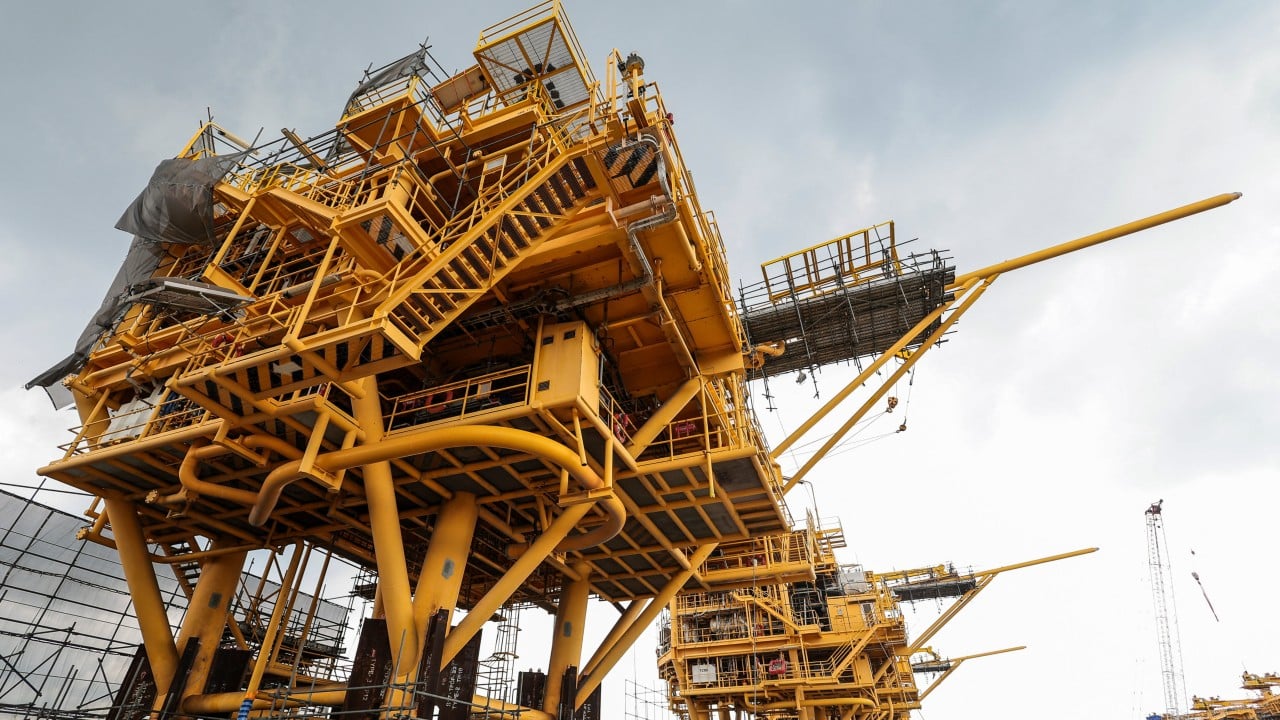
Start with the asset itself. Whenever media outlets throw around nine-figure numbers regarding offshore hydrocarbons, check who stands to profit from the panic. The Gulf of Thailand is a mature, highly fractured geological basin. Major energy conglomerates have drilled through these blocks for decades. They know every seismic fault, every hydrocarbon trap, and every cubic foot of gas down there.
The idea that millions of square kilometers of seabed hold an untouched hoard of untapped wealth capable of rewriting the economic destiny of either nation is pure fantasy. The technical extraction costs in disputed, legally ambiguous waters dwarf the current market valuation of the commodities they supposedly contain. When you factor in the protracted legal purgatory of a UN arbitration process, any rational board of directors would discount those projected revenues to near zero.
Yet, politicians in both capitals keep hyping the dispute. Why? Because an external enemy with deep pockets—literal pockets of gas beneath the waves—justifies endless military budgets, fuels nationalist fervor, and deflects attention from structural stagnation on dry land.
Nationalism is cheap. Building diversified modern economies is expensive.
The Domestic Diversion Strategy
Look at the political calendars. Whenever leadership faces mounting pressure regarding youth unemployment, household debt crises, or awkward elite succession choreography, a convenient border skirmish or maritime spat materializes out of thin air.
Imagine a scenario where two governments are struggling to manage inflation and structural economic transition, and suddenly a dormant overlapping claim from the nineteen-seventy-three memorandum of understanding gets dragged back into the spotlight. It is not an accident. It is a calculated distraction.
By framing the issue as an existential struggle for sovereign maritime resources, both administrations accomplish three immediate goals:
- They silence domestic opposition by branding dissent as unpatriotic during a territorial dispute.
- They lock in defense procurement budgets that benefit well-connected military contractors.
- They buy time. International arbitration takes years, sometimes decades. It is the ultimate political kick-the-can maneuver.
The media eats it up because conflict sells advertising space. Journalists write breathless dispatches about exclusive economic zones and median lines, treating the UNCLOS framework like an impartial referee in a fair fight.
It is not a fair fight. It is theater.
The Real Power Play: Joint Development Authority Theater
Here is what the mainstream pundits refuse to admit. Behind the public posturing at the United Nations, the bureaucratic machinery is quietly moving toward a Joint Development Area framework.
They do not want to split the seabed. Splitting it means drawing a permanent boundary, which eliminates the ambiguity. Ambiguity is where the political class and their corporate patrons thrive. As long as the ownership remains contested, both sides can grant concessions, sign opaque memoranda of understanding with favored corporate partners, and siphon rents without public accountability.
A joint development mechanism lets them pretend to fight while quietly carving up the revenue-sharing percentages in air-conditioned boardrooms. The three-hundred-billion-dollar figure is simply the opening bid in a long negotiation over how to split the administrative tollbooths.
When you look at the history of disputed maritime boundaries in Southeast Asia, the pattern is remarkably consistent. The louder the saber-rattling in public, the closer the backroom deal on resource co-exploitation.
Stop Asking the Wrong Questions
People keep asking: Who will win the UN arbitration? Which country has the superior historical title under international maritime law?
Those are the wrong questions entirely.
The right question is: Who benefits from keeping this dispute alive for another decade?
The answer has nothing to do with national pride or securing energy independence for the citizens of Bangkok or Phnom Penh. It is about elite rent-seeking, nationalist distraction, and the preservation of status quo governance models that fail to prepare either country for the actual economic realities of the twenty-first century.
While everyone is staring at the seabed, the real wealth is evaporating into the pockets of the few who control the narrative. Stop buying the maritime myth.