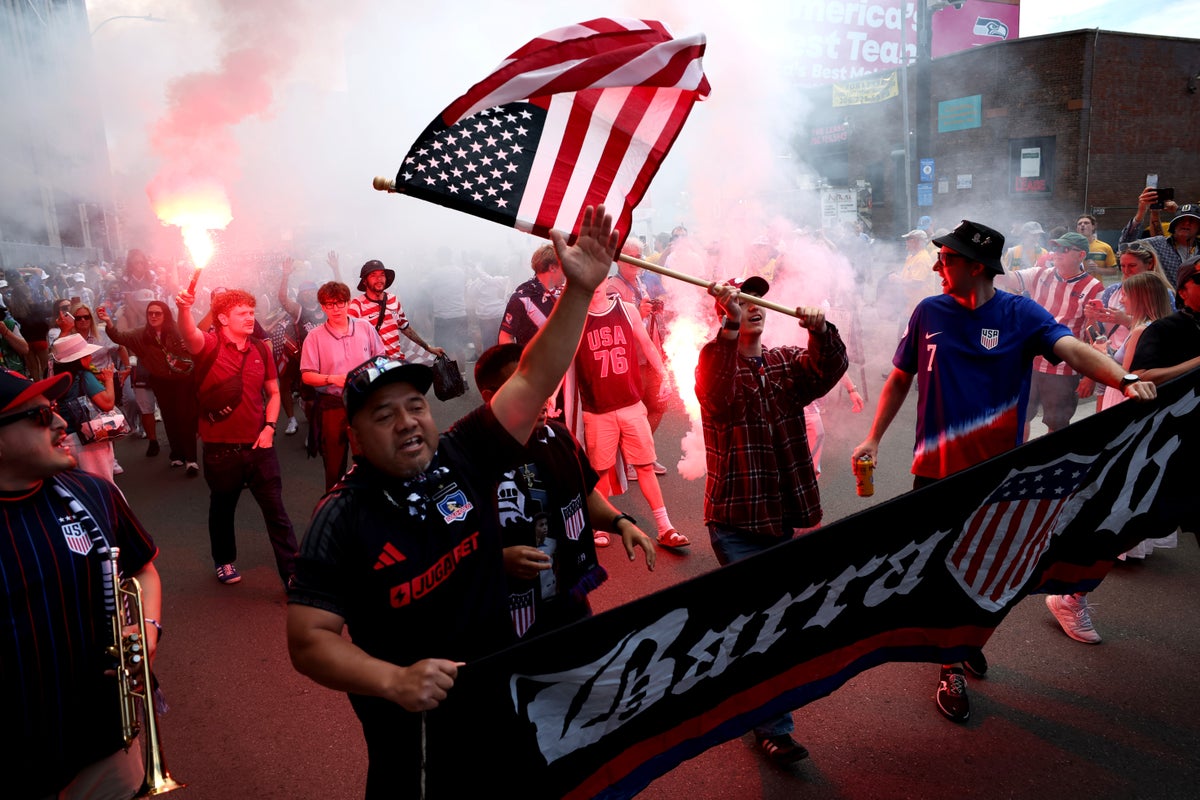
The public is being sold a narrative of pure joy. Turn on any sports broadcast or scroll through social media feeds covering the United States Men’s National Team, and you will see a carefully curated exhibition of smiles, lighthearted banter, and high-fives during grueling World Cup preparation cycles. This engineered perception of flawless chemistry serves as a corporate shield. Behind the scenes, the intense psychological and physical stress of a tournament cycle is not managed by good vibes alone; it is a calculated risk-mitigation strategy designed to prevent the catastrophic roster fractures that have historically ruined American campaigns on the global stage.
The primary query driving public interest is simple. How does elite sports infrastructure balance absolute physical exhaustion with team cohesion? The answer does not lie in natural camaraderie. It is the result of deliberate psychological engineering, data-driven workload management, and a desperate effort by team leadership to suppress the inevitable friction that occurs when twenty-six hyper-competitive individuals are locked in a high-pressure pressure cooker for months on end.
The Chemistry Lie
International football history is littered with the corpses of vastly talented squads that imploded because they mistook a pleasant atmosphere for genuine resilience. The American soccer apparatus is particularly terrified of repeating past failures. In 1998, a squad fractured by internal politics and tactical stubbornness finished dead last in France. In 2006, a rigid, joyless environment in Germany choked out any creative spark on the pitch. The current emphasis on keeping spirits high is a direct, systemic reaction to those historical scars.
But team chemistry is not a static state of being. It is a fragile economic asset. When a coaching staff permits or encourages open displays of levity during a brutal training camp, they are not just being soft. They are trying to lower the baseline cortisol levels of players who are facing the most stressful month of their professional lives.
Consider a hypothetical roster split. You have twelve players who know they are locks for the starting eleven, ten utility players fighting for scraps of minutes, and four modern-day backups who are essentially there to look good in training bibs. To expect these three distinct classes of athletes to naturally share identical "good vibes" is naive. The media-facing laughter is often a coping mechanism or a corporate mandate, masking the intense anxiety of men whose career trajectories alter permanently based on a single tactical substitution.
Managing the Exhaustion Threshold
The physical demands of a modern international tournament defy basic physiology. Players arrive at camp already carrying the accumulated fatigue of a grueling club season in Europe or Major League Soccer. The training staff must then execute a delicate balancing act. They have to push the cardiovascular limits of the athletes to ensure they can survive ninety minutes of high-pressing football, while simultaneously avoiding the soft-tissue injuries that can derail a campaign before it starts.
Modern sports science tracks every single heartbeat, stride, and acceleration. Players wear GPS vests that transmit real-time telemetry to a bank of analysts sitting on the sidelines. If a winger’s high-intensity running volume exceeds a pre-determined threshold by even two percent, they are pulled from the session.
This data-driven micromanagement creates its own unique friction.
[Club Season Fatigue] ➔ [GPS Telemetry Monitoring] ➔ [Enforced Training Caps] ➔ [Player Frustration]
An athlete’s natural instinct is to push through discomfort to prove their worth to the manager. When data scientists step in to dictate training loads, it strips away the traditional, grit-based metrics of evaluation. A player who feels completely fine might be forced to sit out a tactical session because an algorithm flag indicates an elevated risk of a hamstring tweak. This creates a quiet undercurrent of resentment. The player feels managed like a piece of high-end machinery rather than an elite competitor, shattering the illusion of a free-flowing, joyful environment.
The Media Training Shield
The modern national team camp is a fortress of public relations. Every press interaction is a calculated exercise in saying absolutely nothing of substance. When players repeat variations of the phrase that the atmosphere is great and the boys are having fun, they are utilizing a defensive tactic taught to them by media relations professionals since their teenage years in various development academies.
This enforced blandness protects the squad from external narratives that could disrupt internal focus. A single off-hand remark about tactical disagreement or playing time can be spun into forty-eight hours of talk-radio controversy. By maintaining a uniform front of unbothered optimism, the squad ensures that outside analysts have zero data points to dissect.
The danger of this approach is that it creates a false sense of security within the camp itself. When a group is shielded from conflict, they fail to develop the mechanisms required to handle adversity when things inevitably go wrong on the pitch. If a team has only practiced smiling together, they are wholly unprepared for the moment they go down 2-0 in the thirty-fifth minute of a crucial group stage match, where joy is useless and raw, uncomfortable leadership is required.
The Economics of Optimism
There is a massive financial incentive to keep the national team looking like a happy family. US Soccer operates within a unique sporting landscape where soccer must constantly fight for cultural relevance and corporate sponsorship dollars against entrenched domestic leagues. A squad that looks miserable, fractious, or detached loses commercial appeal.
Sponsors buy into the idea of a young, vibrant, unified group of athletes representing the best of American sporting culture. The high-energy content packages produced by internal media teams are designed to drive engagement, sell merchandise, and reassure corporate partners that their investments are safe. The athletes understand this dynamic perfectly. In the modern era, national team selection is not just an honor; it is a massive amplification platform for a player’s personal brand and endorsement portfolio.
This financial reality alters how players interact with each other. The competition for starting spots is overlaid with the competition for cultural market share. When the cameras roll, maintaining the appearance of camaraderie is good business for everyone involved, regardless of what cliques or cold shoulders exist once the locker room doors swing shut.
The Tactical Cost of Good Vibes
When a managerial regime prioritizes a harmonious environment above all else, it inevitably compromises tactical flexibility. True tactical development requires intense, often uncomfortable confrontation. It requires a center-back being able to scream at an underperforming midfielder without worrying about hurting the collective mood. It requires a manager who can ruthlessly drop a popular veteran without triggering a locker-room mutiny.
If the overriding goal of a training camp is to keep morale high, difficult conversations get postponed. A coaching staff might opt for conservative tactical setups that players are comfortable with, rather than introducing complex, disruptive systems that cause immediate frustration during practice sessions.
This compromise shows up clearly during tournament play. Teams that have been pampered in an environment of toxic positivity struggle to adapt when an opponent exploits a fundamental flaw in their system. Because the flaw was never aggressively dissected in camp for fear of dampening the mood, the players lack the tools to fix it on the fly. They turn to each other on the pitch, and the smiles of the training ground dissolve into blank, panicked stares.
The ultimate measure of a training camp is not the volume of laughter recorded by social media teams, nor is it the glowing testimonies offered during mandatory press availabilities. The true test is how the apparatus responds when the pressure is turned up to a breaking point and the engineered vibe collapses under the weight of real-world adversity. Joy is a byproduct of winning, not a preparation strategy for it.