The Panic Over Pre-Teen Body Odor is Manufactured
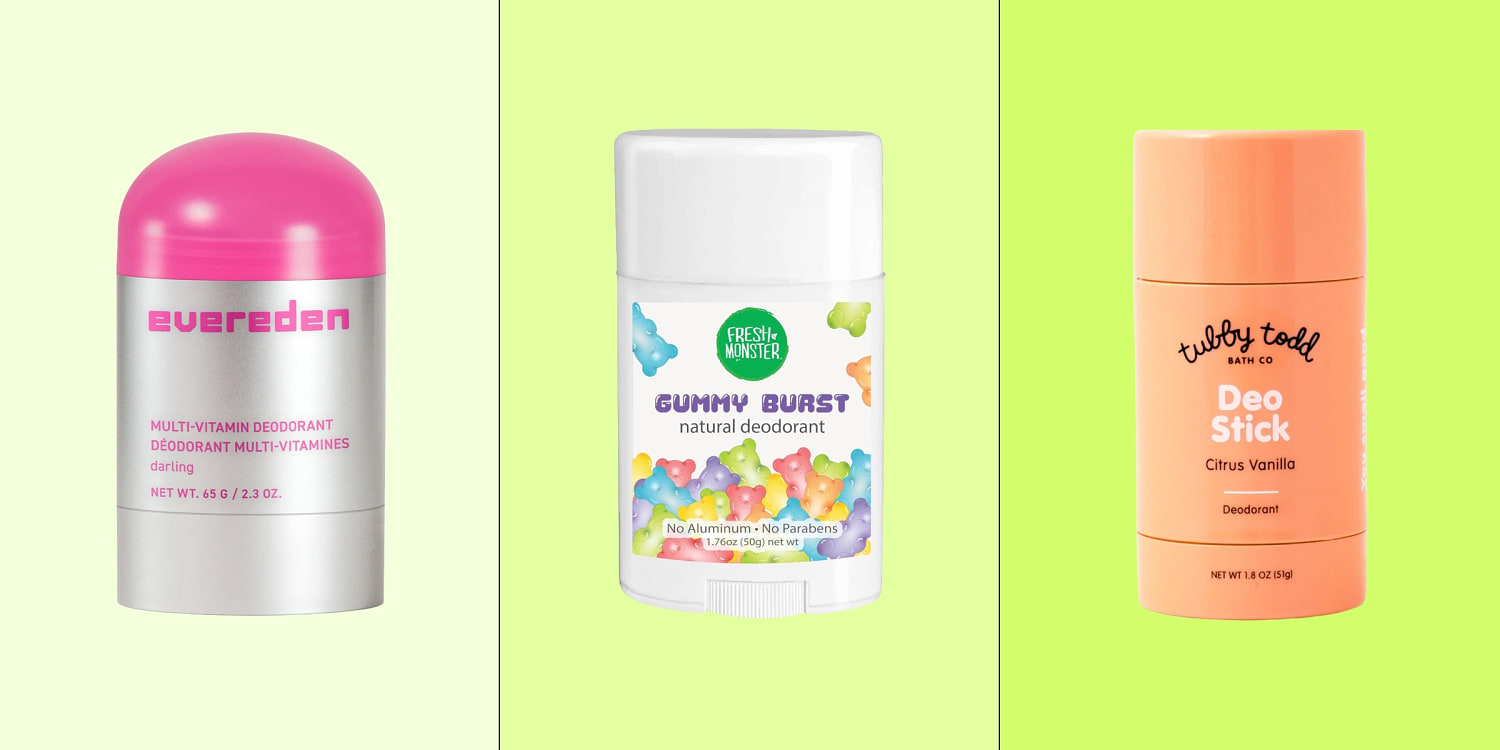
Walk down any personal care aisle and you will spot them. Sleek, brightly colored sticks marketed specifically to eight and nine-year-olds, promising gentle freshness without the aluminum. Parents scoop them up in a panic. The prevailing narrative claims that children are maturing faster, hitting puberty earlier, and therefore require immediate chemical intervention for underarm stinky days.
It is a neat, profitable panic. It turns a natural biological milestone into a hygiene emergency.
The lazy consensus holds that the moment a child develops an unfamiliar scent, you need to purchase a specialty product designed to mask it. Dermatologists nod along, offering measured advice on avoiding baking soda and choosing fragrance-free formulas for delicate young skin.
They are answering the wrong question entirely.
The actual issue is not that your ten-year-old smells like a locker room. The issue is that we have declared war on a normal physiological transition before it even finishes introducing itself.
Understanding the Chemistry They Get Wrong
Let us clear up the basic biology because the marketing departments are banking on your ignorance.
Sweat itself does not smell. Eccrine sweat glands, which cover most of your body, produce a watery fluid that is practically odorless. The funk arrives later, courtesy of apocrine glands, which do not even wake up until adrenarche kicks in—the adrenal gland awakening that precedes full puberty. When apocrine secretions meet the natural bacteria living in warm, folded skin, they break down into volatile organic compounds. That is the scent.
When parents rush to buy children's deodorant, they are treating a symptom of a shifting microbiome and an evolving endocrine system with a topical cosmetic band-aid.
I have watched consumer goods companies spend millions engineering solutions for problems they actively exaggerate. They take a process that human bodies have handled for millennia and rebrand it as a hygiene failure requiring immediate corporate intervention.
The standard advice focuses on buying the right mild product. That misses the entire point. The real intervention should be behavioral and educational, not transactional.
The Problem With Early Topical Habituation
Introducing cosmetic habits too early alters a child's relationship with their own biology. When you hand a fourth grader a tube of natural deodorant and tell them they need to apply it daily, you teach them a quiet, insidious lesson: Your natural body is offensive, and you must manage its emissions to be acceptable.
That psychological weight carries a cost.
Furthermore, young skin has a developing barrier function. While specialty kid brands avoid aluminum and parabens, many still pack their formulas with essential oils, botanical extracts, and complex fragrances. These ingredients are notorious contact allergens. Dermatologists frequently treat children for localized contact dermatitis—not from harsh antiperspirants, but from the very "gentle, natural" botanical deodorants marketed as safe for youth.
You trade a harmless, fleeting phase of childhood body odor for chronic skin irritation and a lifelong dependency on a cosmetic product they do not biologically need yet.
What People Also Ask Is Asking the Wrong Things
If you search for guidance on this topic, the search engines are flooded with predictable queries. Let us look at what people actually type into the search bar and why those questions are fundamentally flawed.
What is the right age to start deodorant for kids?
The standard answer is whenever they start smelling. That is terrible criteria. If a child runs hard on a hot afternoon, they will smell. That does not mean they need a stick of product in their backpack. The better question is: Is this odor persistent, daily, and causing social distress, or is it just the normal fluctuation of an active child's sweat? If it is temporary and activity-based, the answer is soap, water, and a fresh cotton shirt.
Are natural deodorants safe for children?
The market assumes safety because the label says natural. Reality is messier. Tea tree oil, lavender extracts, and citrus oils are common in kids' lines, and they are frequent triggers for allergic contact dermatitis. Safety is not determined by whether an ingredient comes from a plant; it is determined by whether a developing skin barrier can handle constant exposure to active botanical compounds. Often, it cannot.
Can kids use adult deodorant?
People worry about the aluminum in antiperspirants. But if a teenager actually reaches the stage of true pubertal hyperhidrosis, a mild adult formula or clinical-strength option under medical supervision is far more effective than a weak, overpriced children's stick that fails by noon. The fixation on "kids specific" labeling is mostly brilliant packaging, not functional necessity.
The Unconventional Playbook
If you want to handle pre-teen odor without falling for the marketing trap, throw out the corporate playbook. Adopt a minimalist, high-impact protocol that respects the body's development.
- Audit the wardrobe first. Synthetic fabrics like polyester and nylon trap moisture and breed bacteria at an exponential rate. Cotton, linen, and Merino wool allow the skin to breathe. Before you buy a deodorant, swap the synthetic athletic jerseys for natural fibers. You will eliminate seventy percent of the problem overnight.
- Fix the wash routine, not the cover-up. Kids are notoriously terrible at washing under their arms. They let the water run over their heads and call it a day. Teach them proper mechanical friction. A washcloth, warm water, and a basic, unscented cleanser applied with actual effort removes the bacteria-laden sebum far better than any masking agent.
- Embrace the pause. If the odor is mild and intermittent, do nothing. Let the skin microbiome stabilize. Rushing in with products disrupts the natural adaptation process of developing sweat glands.
The Trade-Offs of Going Cold Turkey
Let us be completely transparent. This minimalist approach has downsides.
If you refuse to buy your child deodorant, they might catch grief from peers if the odor becomes noticeable at school. Social pressure among children can be brutal. You have to weigh the purity of biological development against the immediate social comfort of your kid.
If the social cost is high, intervene. But do it with eyes wide open. Acknowledge that you are buying a social shield, not a medical necessity. Frame it to your child that way. Tell them, "Some people use this because scents can be strong during sports, but your body is just changing normally." Keep the corporate narrative out of your living room.
The Real Culprit in the Bathroom
The personal care industry wants you to believe that every biological quirk is a defect waiting to be monetized. They want your brand loyalty starting before middle school.
Stop outsourcing your child's bodily autonomy to marketing agencies selling safe, gentle freshness in pastel tubes.
Soap exists. Water exists. Loose cotton shirts exist.
Teach your kids how to wash, how to dress for their biology, and how to ignore the shelf space dedicated to manufacturing insecurities they never asked for.