The Buffalo Bills have officially decided to exclude O.J. Simpson from all historical displays and the new Family Circle interactive plaza at their upcoming Highmark Stadium. This organizational choice quietly brings an end to decades of corporate hesitation regarding the franchise’s first true superstar. While his name remained bolted to the rafters of the old venue despite decades of public outcry, the physical transition to a new multi-billion dollar facility handed the front office a clean slate. They took it.
The corporate machinery finally caught up with public sentiment. Bills president of business operations Pete Guelli confirmed the decision in a brief statement, noting that the franchise determined Simpson was simply not a fit for the new venue. For forty-six years, the organization managed a delicate, often uncomfortable balancing act between acknowledging unparalleled on-field production and distancing itself from one of the most infamous figures in modern American history. By choosing not to transport his plaque across the road, the Bills did not just build a new home. They rewrote their official lineage.
The Clean Slate Strategy
Moving into a new stadium provides sports franchises with a rare corporate luxury. It allows them to curate their history from scratch. When the team kicks off the regular season against the Detroit Lions, fans entering the gates will find a designated zone celebrating thirty of the franchise's greatest icons. Every single deceased or retired member of the original Wall of Fame will be represented. Except one.
The physical logistics of the move stripped away the administrative inertia that usually protects controversial legacy monuments. In the old stadium, actively stripping a name down requires an aggressive, confrontational stance that invites intense media scrutiny. Leaving a name off a moving truck requires far fewer explanations. The front office let the physical demolition of the old concrete arches do the heavy lifting for them.
Corporate sponsors and public relations departments view new stadiums as premium spaces designed to maximize premium revenue. Mixing high-paying suite holders with the stark visual reminder of a double-murder trial is bad business. The franchise spent decades offering no comment whenever reporters asked about Simpson's ongoing presence on the stadium walls. That silence became untenable the moment blueprints were drawn for a fresh start.
The Forty-Year Balancing Act
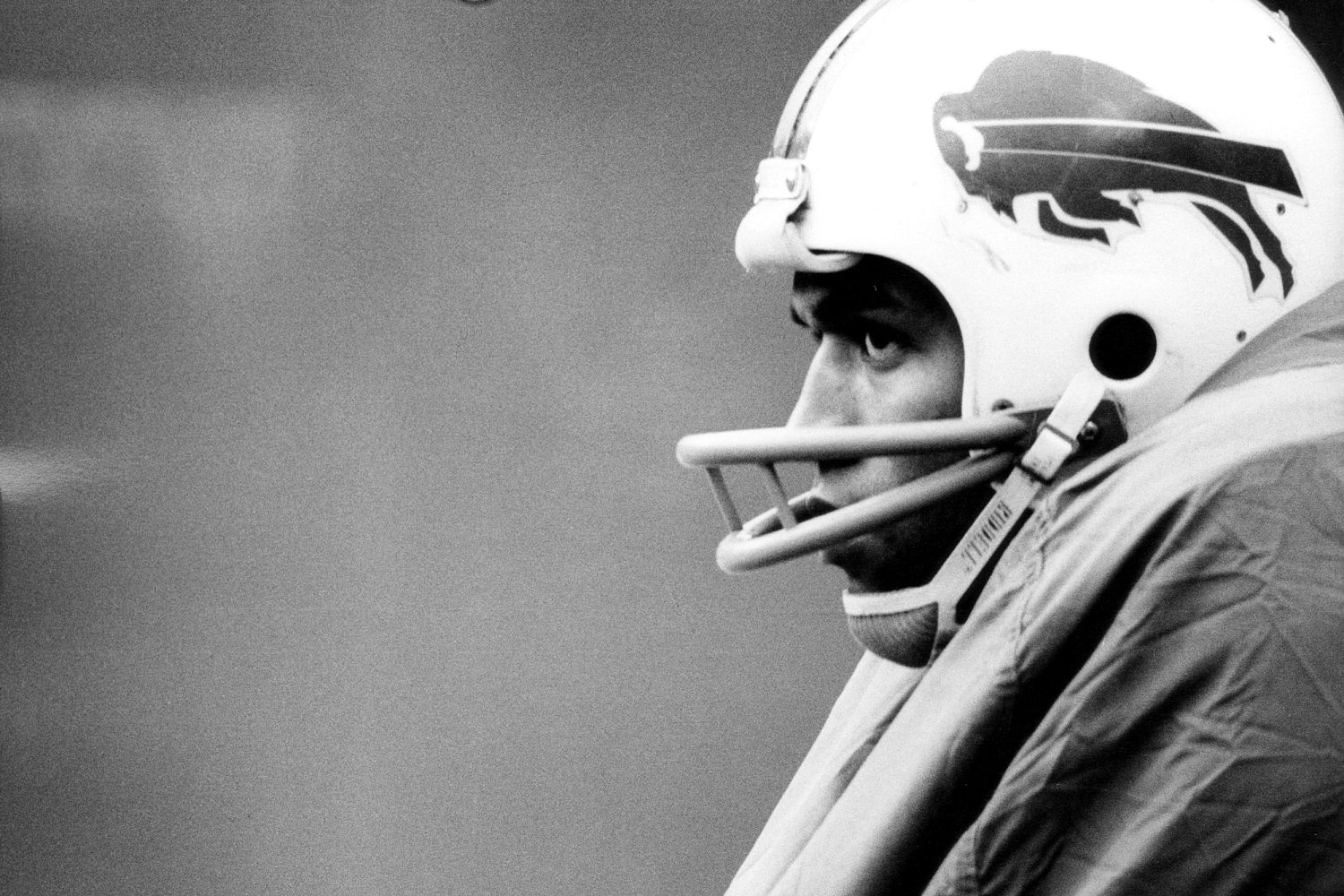
The Bills corporate hierarchy long relied on a strict separation of church and state regarding their former running back. Simpson was the first player inducted into the team's Wall of Fame back in 1980. He earned that spot. In 1973, he became the first player in football history to rush for over 2,000 yards in a single fourteen-game season, a feat that solidified the identity of a blue-collar franchise.
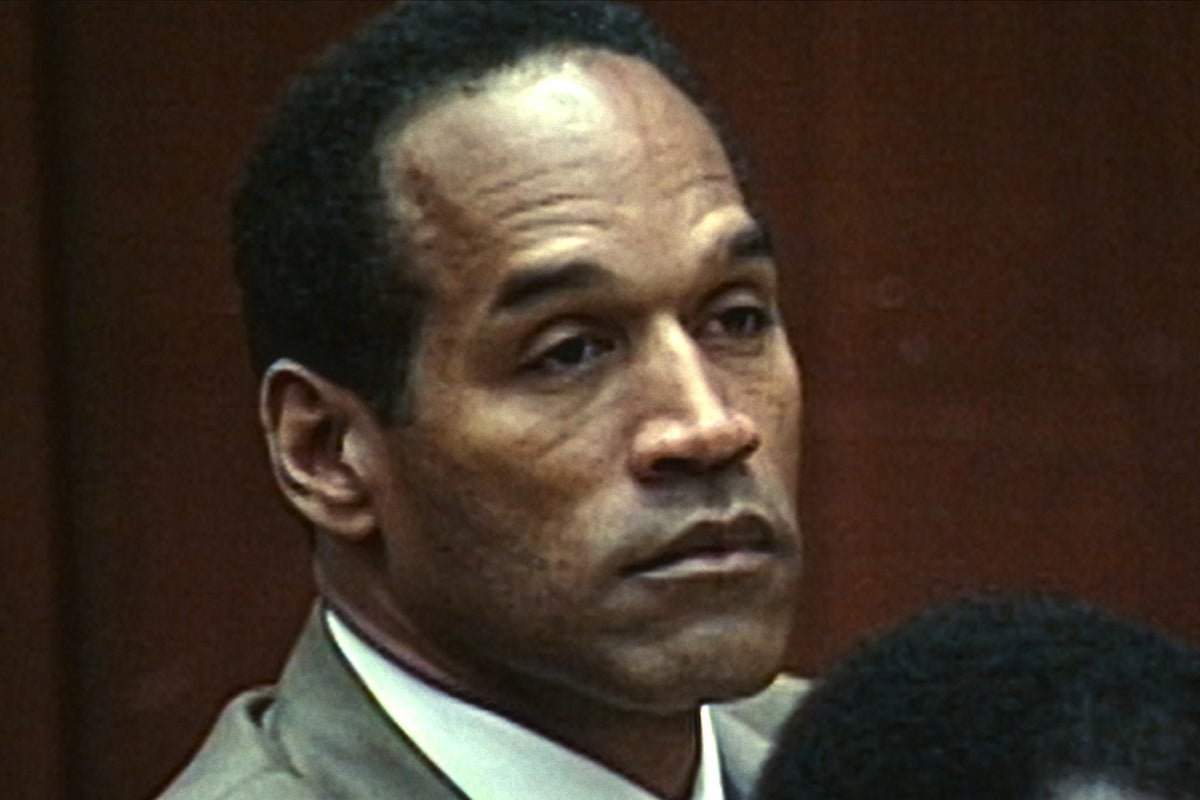
Then came 1994. The brutal murders of Nicole Brown Simpson and Ronald Goldman transformed a sports hero into a cultural pariah overnight. Though a criminal court acquitted him in 1995, a civil court later found him liable for the deaths, ordering a $33.5 million judgment that he spent the rest of his life evading. Later came a prison sentence for an armed sports memorabilia heist in Las Vegas.
Through it all, the team kept his name on the stadium wall. Their unwritten policy seemed to be that history could not be unmade, no matter how toxic the individual became. This stance regularly drew criticism from domestic violence advocacy groups and fans who felt uncomfortable wearing jerseys bearing the number thirty-two. When Simpson died of cancer in April 2024, the Bills notably refused to issue a public statement or acknowledge his passing on any social platform. The quiet corporate freeze was already underway.
NFL Legacy and Legal Reality
The Bills’ decision exposes a glaring disconnect in how professional sports leagues handle disgraced alumni. While a private franchise can choose who it markets to its ticket holders, the Pro Football Hall of Fame operates under entirely different bylaws. Simpson was enshrined in Canton in 1985. His bronze bust remains on display there, and it will remain there permanently.
The Hall of Fame has consistently maintained that its gallery is a museum dedicated exclusively to what occurred on the playing field. They do not remove members for post-career criminal behavior or moral failings. The Buffalo Bills do not have to follow that museum mandate. They operate a modern entertainment enterprise that relies heavily on local tax subsidies and community goodwill.
| Milestone | Year | Organizational Action |
|---|---|---|
| Wall of Fame Induction | 1980 | First player honored by the franchise |
| Pro Football Hall of Fame | 1985 | Enshrined permanently in Canton |
| Double Murder Charges | 1994 | Franchise adopts strict silence policy |
| Civil Court Verdict | 1997 | Found liable for $33.5 million |
| Death by Cancer | 2024 | Bills offer zero public acknowledgment |
| Stadium Transition | 2026 | Explicitly omitted from the new facility |
Complicated History and Hard Cuts
The absolute erasure of a player who defined an era creates an uncomfortable precedent for sports historians. You cannot tell the story of the 1970s Buffalo Bills without him. His offensive line was nicknamed the Electric Company because they turned on the Juice. That era of Buffalo football was culturally significant to a city undergoing severe economic decline.
Yet sports marketing relies on a romanticized version of the past. The Family Circle plaza is designed to evoke nostalgia, pride, and family-friendly engagement. It is an environment built for selling hot dogs and licensed apparel to parents and grandchildren. Injecting the grim realities of the 1995 trial into that specific footprint makes zero commercial sense.
The decision represents a stark, calculated assessment of risk versus reward. Including Simpson would have sparked an immediate, polarizing media cycle that overshadowed the opening of a taxpayer-funded facility. Excluding him causes a brief ripple of news before fading into the background. The franchise simply looked at the balance sheet of public perception and made the only logical choice available to a modern sports entity.