Internet fame does not come with a safety net. When eighteen-year-old streamer Nitro Camden went from broadcasting to empty rooms to pulling tens of thousands of concurrent viewers overnight, it was not the result of a masterclass in audience acquisition or a carefully orchestrated content strategy. It happened because of a deeply painful, very public family implosion.
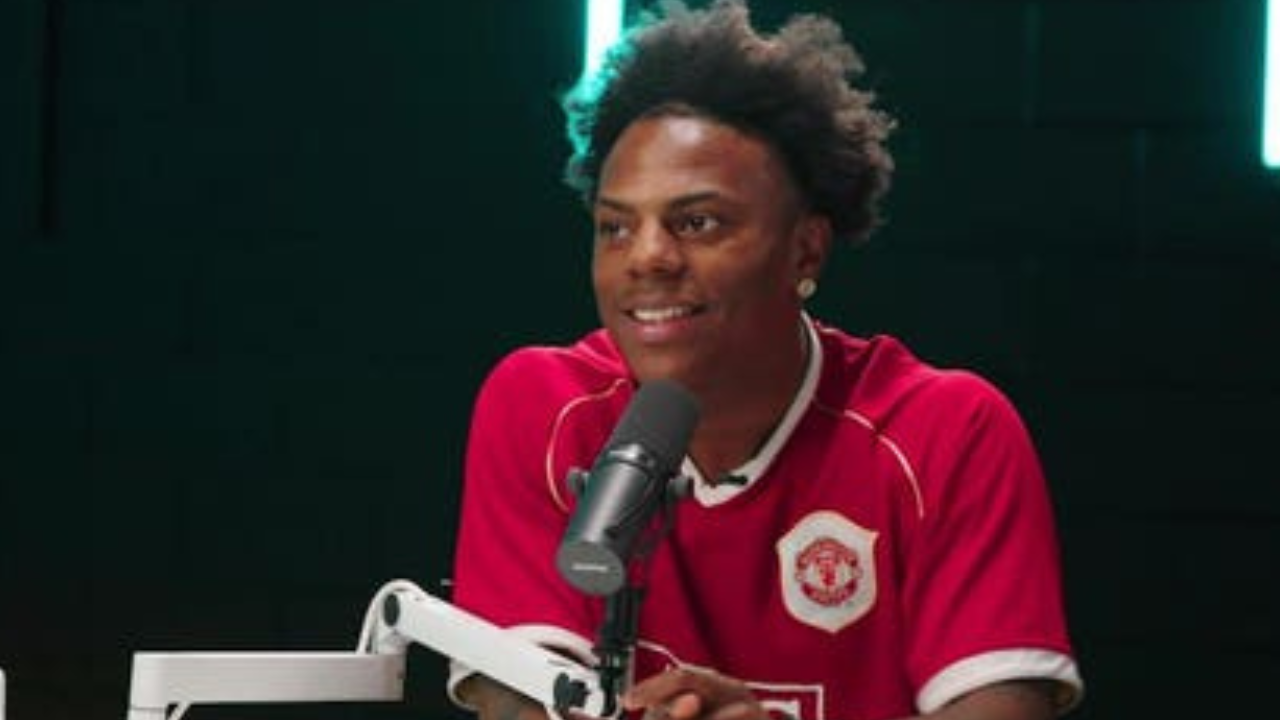
A leaked or captured domestic confrontation streamed live to the world transformed Camden's life into a cautionary tale and a lottery win simultaneously. Creator Darren Watkins Jr., universally known as IShowSpeed, recently crossed paths with Camden in public, offering raw encouragement and reflecting on his own turbulent beginnings. The interaction went viral across major social platforms, cementing a narrative of digital solidarity. Yet beneath the heartwarming surface of veteran creators passing the torch lies a darker economic and psychological reality.
The mechanics of trauma-driven virality create a volatile environment for young creators who lack institutional guidance. Understanding how these sudden ascents actually function requires looking past the superficial motivation of inspirational pep talks.
The Manufacturing of Accidental Spectacle
Most creators spend years optimizing retention graphs, studying click-through rates, and learning how to retain human attention through sheer output. Camden bypassed this mechanical grind entirely through raw, unscripted misery. When a family dynamic breaks down on a live broadcast, the internet treats the wreckage as content.
Within forty-eight hours of the confrontation with his mother, Camden accumulated over one hundred thousand followers on Twitch. Major figures in the streaming ecosystem, including Stable Ronaldo, executed massive viewer raids that artificially inflated his visibility. Suddenly, an eighteen-year-old high school senior who lacked basic housing security found himself managing a massive digital crowd.
The algorithms driving platforms like TikTok, X, and YouTube do not differentiate between organic entertainment and human suffering. In fact, they heavily favor high-friction emotional displays. When a viewer watches a teenager get berated or forced out of a home, the engagement loop triggers immediately. People comment, argue, clip, and share. The platform rewards this behavior by pushing the material to millions of uninitiated home screens.
Camden did not choose this specific mechanism for growth. He simply kept his camera rolling while his personal life collapsed. That distinction matters immensely when evaluating the sustainability of his career.
Parallels That Fail Under Scrutiny
During their recorded encounter, IShowSpeed drew a direct parallel between Camden's crisis and his own early struggles. Speed famously clashed with his mother over his obsession with gaming and early broadcasting attempts, famously punctuated by chaotic stunts like detonating fireworks indoors.
The comparison offers emotional comfort, but it collapses under analytical weight. Speed’s early controversies were self-generated performance art. He manufactured his own chaos to push the boundaries of shock value comedy. The friction with his family stemmed from typical generational disagreements over education versus an unconventional digital career path.
Camden’s situation involved an involuntary domestic crisis. Losing physical shelter and having personal conflicts broadcasted to a predatory audience introduces heavy psychological baggage that standard motivational advice cannot fix. Telling a displaced teenager to simply follow his dreams ignores the structural absence of basic stability. Inspiration does not pay for groceries, secure stable housing, or manage the sudden onslaught of public scrutiny.
The Monetization of Sympathy
The days following a tragedy or public breakdown always yield a massive surge in follower counts, but this metric rarely translates into a stable business model. Sympathy is a fleeting currency.
When viewers arrive on a channel because they feel sorry for someone, they behave differently than an audience that appreciates a specific talent or comedic style. They treat the streamer as a charity case or a reality television character rather than an entertainer. Once the initial shock fades and the news cycle shifts to the next digital catastrophe, the audience naturally drifts away.
Retention statistics for trauma-spawned creators typically plummet within a month. Without a distinct content pillar—whether it is high-level gaming skill, sharp comedic timing, or compelling vlogging formats—the newly acquired subscriber base turns into ghost town statistics. Camden received support from established names like Agent 00 and Cinna, who offered practical guidance regarding education and patience, but mentorship cannot manufacture a sustainable entertainment product out of thin air.
The digital gold rush mentality encourages young people to drop everything the moment an audience materializes. It teaches them that visibility is everything, regardless of how that visibility was achieved.
The coming months will test whether Camden can pivot away from the sensationalism of his origin story and build a legitimate audience on merit alone. If he relies solely on the momentum of a single bad week, the descent will be as rapid as the climb.
Real digital longevity requires thick skin, structural discipline, and an ability to adapt when the cameras turn away and the chat finally stops moving.
IShowSpeed meets Nitro Camden after viral clash
This video captures the public encounter where IShowSpeed shares raw, unscripted advice with Nitro Camden regarding his sudden viral fame and family upheaval.
http://googleusercontent.com/youtube_content/1