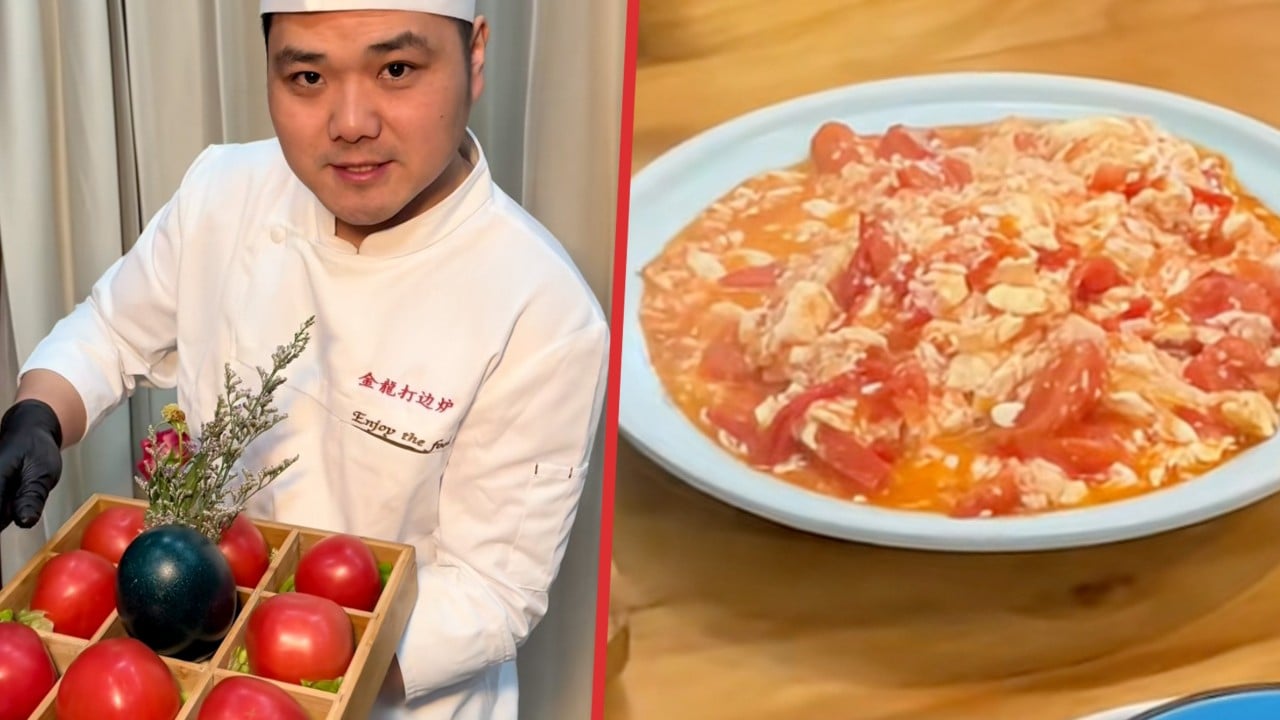
A viral uproar erupted across Chinese social media platforms recently when a high-end restaurant listed a plate of scrambled eggs and tomatoes for 500 yuan, roughly 75 US dollars. The dish, known as xifanhong chao dan, is the ultimate culinary baseline in Chinese households. It is cheap, fast, and universally mastered by college students and home cooks alike. Charging premium steak prices for comfort food caused immediate public fury. Yet, focusing entirely on the shock value of the price tag misses the structural shifts happening within the premium dining sector. The astronomical markup is not a random act of greed, but a calculated business strategy designed to capitalize on exclusivity, extreme ingredient sourcing, and the psychology of conspicuous consumption.
The Economics of the Seventy-Five Dollar Scrambled Egg
High gastronomy operates on financial principles that differ wildly from neighborhood diners. To understand why a restaurant can demand a premium for a basic staple, one must dissect the cost structure of elite culinary establishments.
The Myth of Ingredient Cost
Most casual diners calculate the value of a meal by estimating the retail cost of the raw ingredients. In a standard restaurant, food cost ideally hovers around 28 to 35 percent of the menu price. In the luxury tier, this ratio frequently collapses or reverses dramatically. The actual tomatoes and eggs on the plate might represent less than two percent of the total bill.
What the consumer actually funds is an elaborate, fragile supply chain. Premium establishments frequently secure exclusive rights to hyper-local produce. This involves sourcing heirloom tomatoes grown in specialized greenhouses with strict soil chemistry controls, or eggs gathered from specific avian breeds raised on custom diets.
Overhead and the Price of Scarcity
The math behind luxury dining relies heavily on fixed operational costs rather than variable food costs. A high-end establishment pays exorbitant rent for prime real estate, maintains low table density to ensure privacy, and employs a staff-to-guest ratio that would bankrupt a casual eatery.
- Labor Intensity: A simple dish prepared by a celebrated master chef carries the wage burden of decades of training.
- Real Estate: The physical square footage allocated to a single diner dramatically inflates the baseline cost of entering the establishment.
- Exclusivity Premium: High prices act as a natural filter, guaranteeing an environment free from the crowds associated with mass-market dining.
Decoding the Elite Consumer Mindset
The public anger surrounding the expensive comfort food stems from a fundamental misunderstanding of the target demographic. The affluent patrons frequenting these establishments are not looking for a high return on caloric investment.
Veblen Goods and Social Signaling
In economic theory, a Veblen good is an item for which demand increases as the price rises, precisely because its high price makes it a status symbol. The 75-dollar scrambled egg dish functions perfectly within this framework.
When a patron orders this item, they are not buying sustenance. They are purchasing the ability to demonstrate wealth. The sheer absurdity of paying such a sum for a common household dish amplifies the social signal. It communicates to peers that the spender possesses disposable income so vast that standard metrics of value no longer apply to their daily choices.
The Search for Ultimate Authenticity
Wealthy consumers often suffer from choice fatigue and sensory desensitization. Traditional luxury indicators like caviar, truffles, and wagyu beef have become widely accessible through global logistics networks. Consequently, true exclusivity has shifted toward the elevation of the mundane.
By taking a ubiquitous, humble recipe and subjecting it to rigorous culinary perfectionism, a restaurant creates a novel experience. The customer pays to taste the absolute platonic ideal of a childhood memory, scrubbed clean of any industrial shortcuts.
The Operational Risk of the Hyper Markup Strategy
Deploying this pricing model is an incredibly dangerous gamble for any restaurant brand. The margin for error vanishes entirely when a business charges premium rates for ordinary concepts.
The Backlash of Public Perception
Public perception can destroy a hospitality brand overnight. In an era dominated by algorithmic social media feeds, a single viral post detailing perceived price gouging can trigger widespread boycotts.
The outrage often extends beyond digital commentary into regulatory scrutiny. Local market supervision bureaus frequently investigate establishments that attract significant negative attention, checking for price fraud or unclear labeling. Even if the restaurant operates entirely within legal boundaries, the administrative headache and reputational damage can prove fatal to the business model.
The Delivery Dilemma
When a customer pays a massive premium, their expectations scale exponentially. The dish must be flawless.
If the tomatoes exhibit a fraction too much acidity, or if the eggs are slightly overcooked, the illusion shatters. The patron immediately reverts to comparing the meal to the versions made by their family, resulting in intense dissatisfaction. A luxury steakhouse can blame a tough cut on the animal, but a chef cannot hide behind a poorly executed plate of scrambled eggs.
A Structural Shift in Global Dining Culture
The debate over this specific Chinese restaurant points to a larger, global transformation within the hospitality industry. Restaurants are no longer just places to consume food; they have transformed into media stages and lifestyle statements.
As middle-class spending power faces economic headwinds globally, the dining market is bifurcating rapidly. The middle tier is shrinking. Establishments are forced to either race to the bottom on price efficiency or ascend into the stratosphere of hyper-luxury experience creation. The 75-dollar tomato scrambled egg dish is simply an extreme manifestation of this economic polarization, proving that in the modern marketplace, the story behind the product often commands a higher price than the product itself.