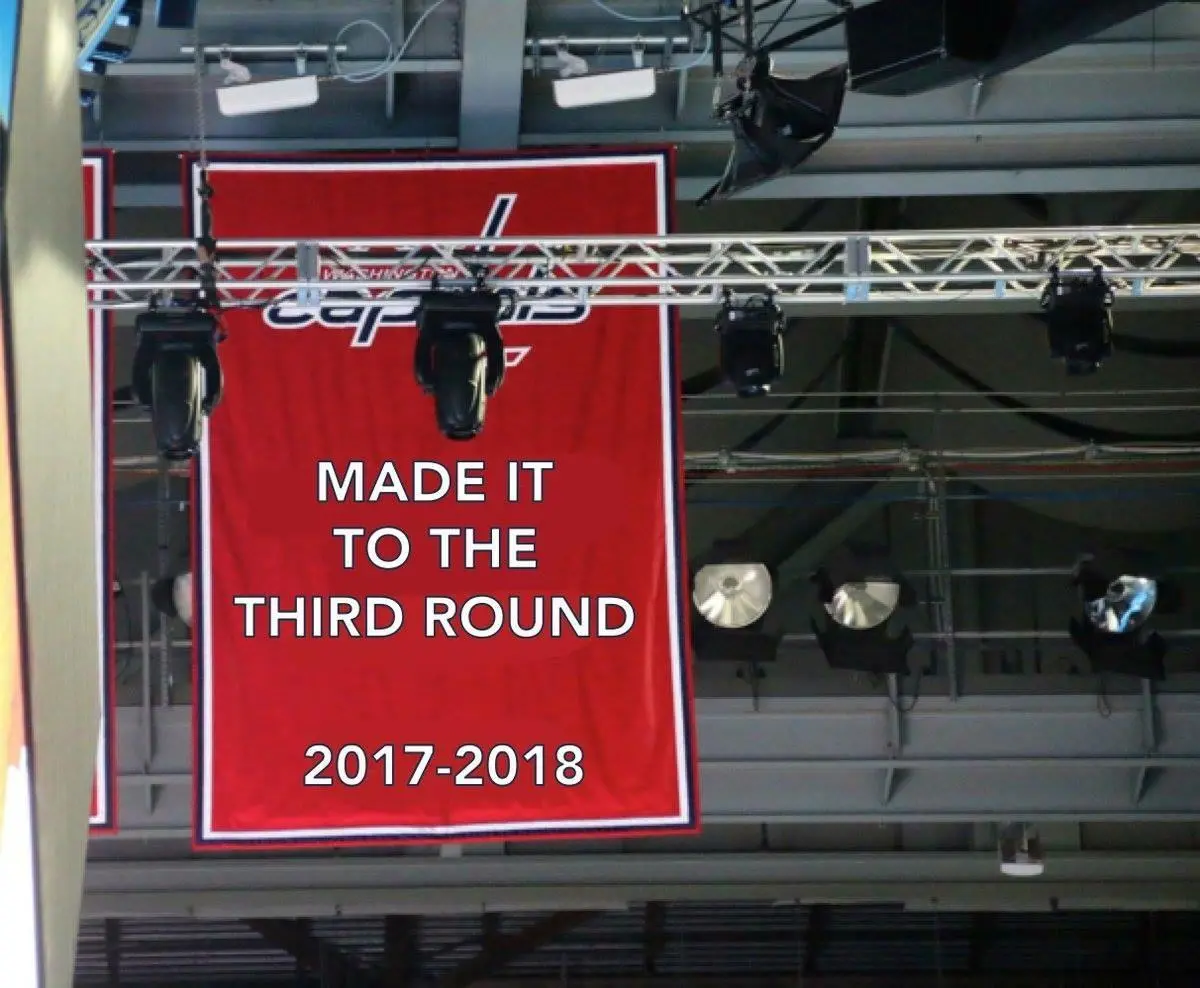
The collapse was not a slow burn but a high-speed collision with reality. After a season defined by tactical arrogance and a refusal to acknowledge fatigue, the title hopes for Danny Rohl’s Rangers have evaporated, leaving behind a fan base demanding an autopsy rather than an apology. The primary reason for this failure is a systemic breakdown in squad rotation and a tactical blueprint that became predictable to the point of being a liability. While rival analysts pointed to bad luck or refereeing decisions, the data tells a different story of physical exhaustion and a lack of a plan B.
The Myth of Tactical Infallibility
For the first half of the season, Rohl was treated like a visionary. His high-press, high-intensity system squeezed opponents into submission, creating a sense that Rangers were playing with an extra man on the pitch. It worked until it didn’t. The problem with a system that requires 100% output is that human bodies are not machines. By the time the calendar flipped to March, the sprint speeds had dropped by 12% across the starting eleven.
Opposing managers stopped trying to outplay Rangers and started waiting for them to die. They sat deep, absorbed the initial thirty-minute onslaught, and then exploited the massive gaps left behind by tired full-backs who no longer had the legs to track back. This wasn't a sudden loss of talent. It was a failure of the coaching staff to adapt their strategy when the physical data began to redline.
The Recruitment Blind Spot
Rohl’s insistence on a specific profile of player—young, fast, and technically proficient—looked brilliant during the summer window. However, the squad lacks the veteran "scufflers" needed to grind out a 1-0 win on a rainy Tuesday night when the slick passing game isn't clicking.
Look at the bench during the recent loss to the bottom-dwellers. There was no physical presence to change the flow of the game, no veteran leader to calm the nerves, and no one capable of winning a header in the final five minutes. The recruitment strategy was built for a highlight reel, not a thirty-eight-game war of attrition. You cannot win a league title with an army composed entirely of poets. Sometimes you need a few blacksmiths.
Mental Fragility Under the Spotlight
There is a specific kind of pressure that comes with being the frontrunner. In the early months, Rangers played with the freedom of an underdog with nothing to lose. Once the media started printing "Champions Elect" on the back pages, the shoulders tightened. The fluid passing sequences turned into hesitant sideways balls.
Psychological fatigue is just as damaging as the physical kind. When the first few results went against them in the spring, the squad didn't show the resilience of a championship side. They showed the panic of a group that had never been taught how to fail. Rohl’s coaching style is heavily academic; he provides solutions for every scenario on the training ground. But when the whistle blows and the plan fails, players looked toward the dugout for instructions that weren't coming. They had become over-reliant on the system and lost their individual instinct to solve problems.
The Financial Cost of Second Place
Falling short of the title isn't just a sporting blow; it’s a fiscal disaster for a club that spent beyond its means to back Rohl’s vision. The projected revenue from the top spot was already baked into the three-year plan. Now, the board faces a summer of forced sales.
- Key assets will likely be moved to balance the books.
- Wage structures must be overhauled to avoid league sanctions.
- Investment in the academy will be paused to cover the deficit.
This is the hidden cost of the "win now" mentality that Rohl brought to the club. If you swing for the fences and miss, the momentum of the strike can pull the whole house down. The supporters see the missed trophies, but the accountants see the missed payments.
Why the Pressing Game Became a Trap
The high press is a double-edged sword. When it works, it’s the most effective defensive tool in modern football. When it’s bypassed, it leaves the central defenders exposed in one-on-one situations they aren't equipped to handle. Throughout April, Rangers conceded seven goals from direct long balls that skipped over the midfield entirely.
Rohl refused to drop the defensive line deeper. He viewed it as a betrayal of his philosophy. That stubbornness cost them six points in two weeks. A veteran manager would have recognized that his center-backs were struggling and offered them protection. Rohl instead demanded they "trust the process." The process ended with the ball in the back of their net while the defenders looked at each other in confusion.
The Captaincy Void
Leadership isn't about wearing an armband; it’s about demanding standards when the manager isn't looking. In the current Rangers squad, there is a distinct lack of vocal accountability. When the late-season slide began, there was no one on the pitch capable of grabbing the game by the scruff of the neck.
Every title-winning side in the history of the sport has a "bad cop" on the field—a player who demands perfection and isn't afraid to offend teammates to get it. This squad is too nice. They are a collection of talented individuals who enjoy playing together but don't know how to hold each other to account when the intensity drops. This vacuum of leadership allowed a small dip in form to transform into a full-scale nosedive.
Infrastructure and Support Failures
While the players and the manager take the heat, the medical and sports science departments deserve a share of the blame. The injury list during the crucial run-in was catastrophic. Muscle tears and stress fractures are often the result of poor load management.
If the sports science team saw the fatigue markers and didn't scream loud enough at Rohl to rotate the squad, they failed at their jobs. If they did scream and Rohl ignored them, the organizational structure is broken. A modern club cannot function as a personal fiefdom for a manager. There must be checks and balances that prevent a coach from burning out his most valuable assets in pursuit of a single result.
Looking at the Numbers
The underlying metrics suggest this wasn't a fluke.
- Expected Goals (xG) Against: This rose steadily from February onwards, indicating that the defense was giving up higher-quality chances.
- Post-Shot Expected Goals: Rangers' goalkeepers were forced to make more "world-class" saves in the second half of the season just to keep games level.
- Third-Phase Completion: The accuracy of passes in the final third dropped significantly, a classic sign of mental tiredness and a lack of sharpness.
The Road Back to Relevancy
To fix this, the club has to stop treating Rohl like a messiah and start treating him like a manager who needs a better support system. The summer needs to be about pragmatic recruitment. They don't need another tricky winger. They need a bruising defensive midfielder who can break up play and a striker who can score when the team is playing poorly.
Title races are won in the margins. They are won by the teams that can win 1-0 when they are at 70% of their capacity. Currently, Rangers are a team that can win 5-0 when they are at 100%, but they lose 2-1 the moment they drop to 90%. That is the hallmark of a mid-table side with expensive aspirations.
The fans deserve more than "we go again" slogans. They deserve a tactical evolution that respects the limitations of the human body and the reality of a long season. If Rohl cannot find a way to win ugly, his tenure will be remembered as a flash in the pan—a brief moment of excitement followed by a predictable and painful decline. The honeymoon is over, and the divorce papers are being drafted in the stands of the stadium every Saturday afternoon.
The club must now decide if they are willing to endure the pain of a rebuild or if they will continue to chase the ghost of a system that has already been figured out by every half-competent manager in the league. Stop talking about the philosophy and start talking about the points. That is the only metric that matters in the end. Empty cabinets don't care how many passes you completed in the middle of the pitch.
Sell the players who can't handle the pressure, buy the ones who can, and tell the manager that his job depends on results, not on how many people praise his YouTube clips. Only then can this club begin to heal the self-inflicted wounds of a season that promised everything and delivered nothing.