The discovery of human remains in the arid expanse of the Tucson desert inevitably triggers a wave of public anxiety and desperate hope tied to the ongoing search for Nancy Guthrie. When bodies surface in regional washes or isolated terrain, the immediate assumption from observers is that an answer has finally arrived in a high-profile abduction case that has gripped the nation for months.
Local authorities and forensic pathologists face a grueling reality check every time these grim notifications reach their desks. The Pima County medical examiner's office handles thousands of death reports annually, managing a staggering volume of stored human remains in an environment where extreme heat, sweeping monsoons, and scavenging wildlife rapidly accelerate decomposition.
Understanding why these desert discoveries rarely translate into immediate breakthroughs requires looking past sensational headlines and examining the hard science of recovery in southern Arizona.
The Mechanics of Desert Recovery and Identification
Pima County stands as one of the most challenging jurisdictions in the country for missing persons investigations. When a body is left or deposited in the open desert, the timeline for identification shrinks dramatically due to environmental factors.
Intense solar radiation and scorching temperatures strip soft tissue within weeks, frequently reducing remains to skeletal states long before search teams stumble upon them. Furthermore, regional monsoons introduce a chaotic variable into forensic geography. Raging flash floods sweep through desert washes, carrying bones and personal artifacts miles away from their original point of deposition.
Academic experts specializing in regional spatial dynamics note that most discovered remains surface after the monsoon season concludes in late September. Torrential rains dislodge skeletal material wedged tightly into rocky crevices or thick brush, pushing them into plain sight of hikers, border personnel, or law enforcement.
This cyclical exposure explains why periodic spikes in discovery happen independently of specific high-profile investigations. Investigators must balance public expectations with the methodical, often agonizingly slow pace of forensic anthropology and DNA extraction.
Navigating Speculation Versus Scientific Fact
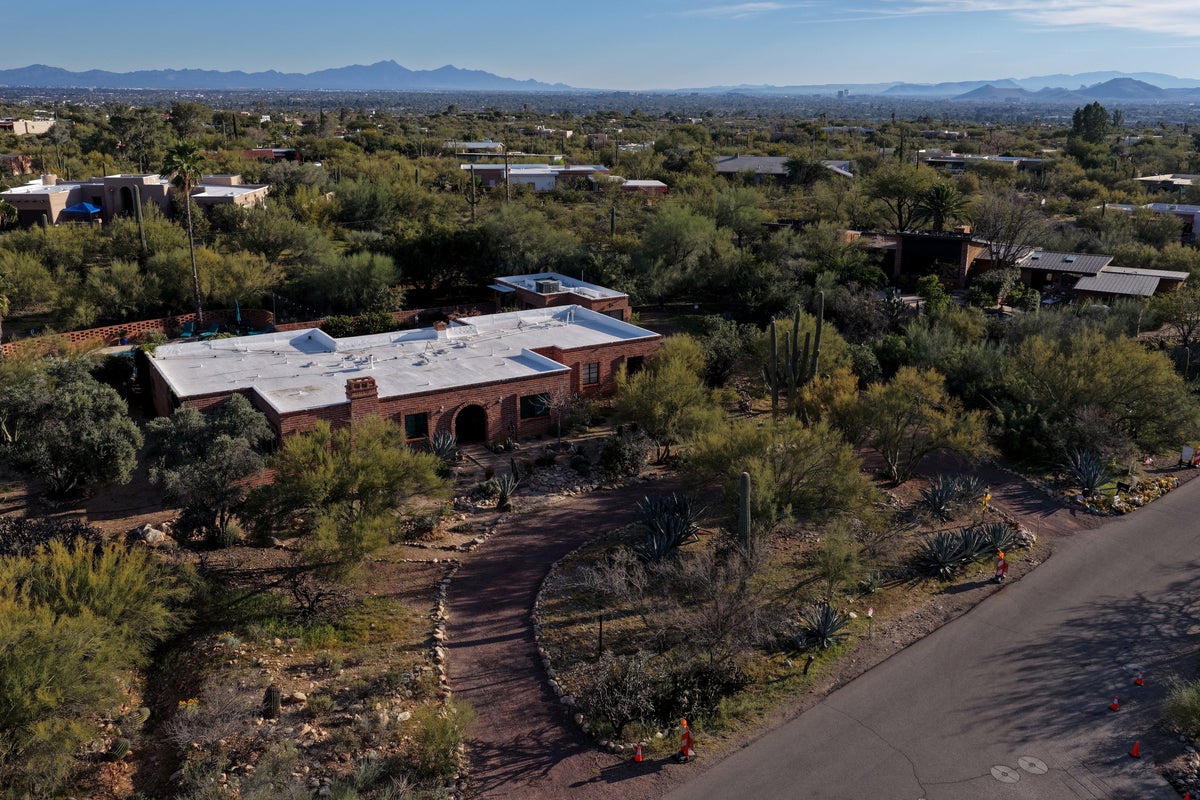
In the months following the disappearance of Nancy Guthrie from her Catalina Foothills home, the investigation has navigated a minefield of digital rumors, unverified ransom notes, and community speculation. Every time skeletal remains turn up near major corridors like West Ajo Way, public pressure mounts on the Pima County Sheriff's Department to provide instant confirmation or absolute exclusion.
However, criminal investigators operate under strict evidentiary standards. Stating that there is no immediate indication of a connection is vastly different from formally ruling out a match through genetic profiling.
For a definitive conclusion, pathologists require intact DNA profiles or dental records, which can take weeks or months if the biological material is severely degraded by environmental exposure. Premature announcements risk compounding family grief or sending multi-agency task forces down exhaustive dead ends.
The ongoing mystery underscores a wider vulnerability in modern missing persons cases amplified by digital culture. When public fascination intersects with slow-moving forensic science, a vacuum forms. Online sleuths fill that vacuum with alternative theories, unverified suspect comparisons, and wishful interpretations of routine law enforcement updates.
The focus remains fixed on the core investigative trail—analyzing digital footprints, reviewing surveillance networks, and evaluating physical evidence gathered from the primary crime scene—while the desert quietly keeps its other secrets buried beneath the brush.
New details on note sent to Guthrie family claiming Nancy has died
This video provides new reporting on the notes sent to the Guthrie family during the investigation.
http://googleusercontent.com/youtube_content/1