The era of the simple collegiate sponsorship deal is dead. For decades, the financial bedrock of athletic departments rested on a predictable triad: apparel contracts, soft drink pour rights, and regional banking partnerships. That model functioned while the overhead remained manageable and the NCAA operated under a strict amateurism veil. Today, those days have evaporated. Athletic directors are no longer just selling ad space on a scoreboard; they are scrambling to monetize every square inch of their campus and every second of their fan base's attention to survive the crushing reality of athlete revenue sharing.
The pressure is not abstract. With Power 4 programs bracing for individual athlete revenue-sharing payments that could climb toward $32 million annually per school within the next decade, the balance sheet has become a battlefield. Legacy income streams are plateauing, and the competition for traditional sponsorships has hit a ceiling. When you add the massive burden of buyouts, ballooning coaching salaries, and the administrative bloat that has characterized college athletics for the past twenty years, the math simply does not add up without a radical transformation of the commercial model.
The Shift Toward Real Estate and Entertainment
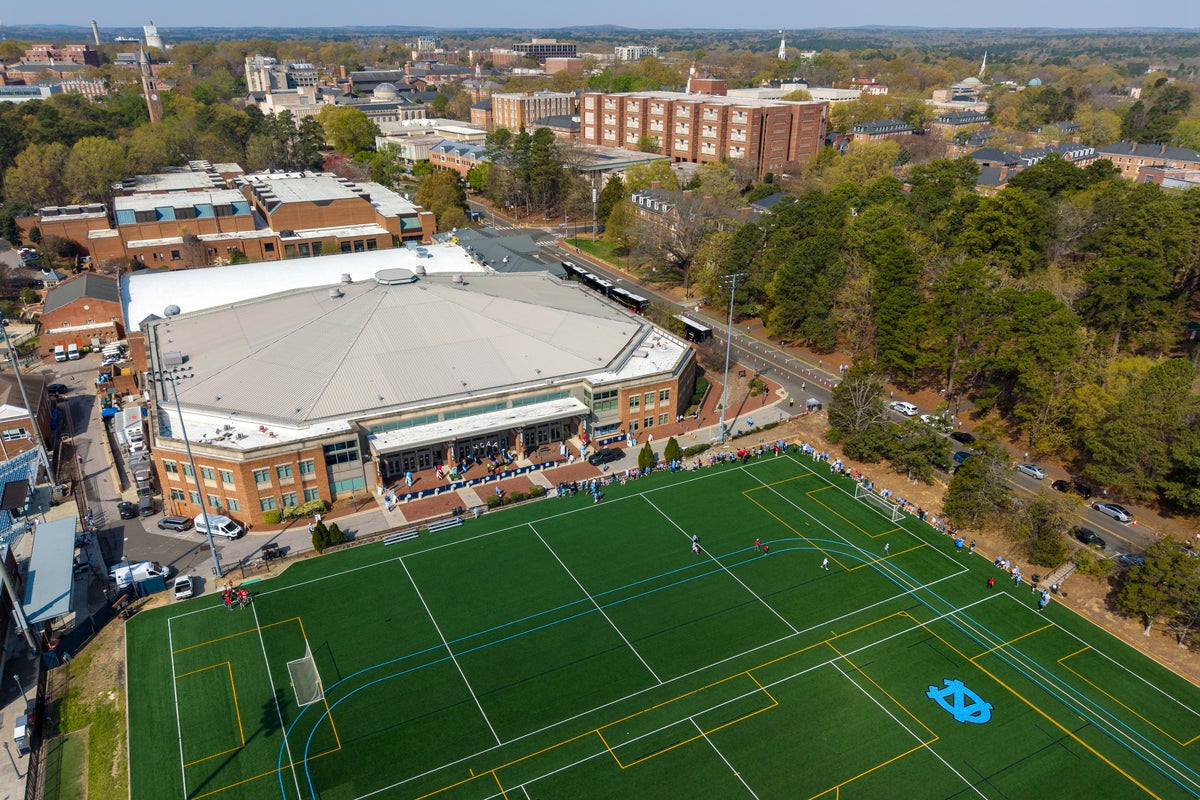
Programs have pivoted to what amounts to urban development. Athletic departments are morphing into entertainment companies, constructing mixed-use districts that keep fans on-site long after the final whistle. This is not about selling hot dogs; it is about capturing the "dwell time" of a high-net-worth fan base. By developing surrounding areas into shopping, dining, and residential hubs, universities aim to create a year-round revenue engine that is untethered from the actual performance of the football team.
Consider a hypothetical mid-tier state university. Historically, their revenue arrived in five or six heavy doses per year—the home game Saturdays. Under the new commercial strategy, that same school builds a plaza featuring a luxury hotel, a sports bar, and retail space that operates 365 days a year. The athletic department is no longer just a tenant of the university; it is a landlord. This shift moves the financial risk onto the school but offers the only path toward the capital needed to compete in a market where athlete payroll is now a primary line item.
Digital Capital and the New Non-Endemic Partners
Traditional sponsors like car dealerships and insurance firms are being squeezed out by companies that specialize in attention. Fintech, cryptocurrency platforms, and data-driven betting apps are moving into the space with a different set of demands. These partners do not care about a sign on the outfield wall. They want user data, digital integration, and the ability to convert a fan into a customer within seconds of a highlight clip being shared on social media.
This is the hidden cost of the modern deal. When a university signs with a high-frequency digital platform, they are often trading access to their most valuable asset: the younger demographic of their student body and fan base. Athletic directors now act as data brokers, vetting these firms not for the size of their check, but for their ability to integrate into the daily digital lives of the fan. If the data return is low, the deal is a failure, regardless of the upfront payment.
The Reckoning of Administrative Bloat
The narrative often focuses on athlete pay as the "unsustainable" variable in this equation. That is a convenient fiction for administrators. The reality is that the financial crisis in college sports is a decade-long accumulation of runaway spending on non-athlete personnel. Athletic departments have engaged in a literal arms race of facility construction—indoor practice palaces, luxury locker rooms, and sprawling recovery centers—that serve as recruiting tools but provide little return on investment.
The growth of coaching staff numbers and administrative layers has been exponential. In some programs, the payroll for support staff has outpaced the growth of total revenue, effectively eating the gains from media rights and playoff expansions before a single dollar reaches the athletes. If the revenue pie were actually shrinking, this would be a disaster. Because the pie is growing, it is merely an inefficiency that is finally being exposed by the necessity of direct athlete payments. The schools that succeed in this new environment will be those that slash their overhead, not those that simply find new ways to print money.
The Private Equity Looming Shadow
Beyond the surface-level sponsorships and real estate plays, a more permanent change is approaching. Private equity firms are circling the college landscape, viewing athletic departments not as educational arms but as undervalued media and real estate entities. The logic is consistent with standard private equity playbooks: pool assets, force consolidation, and drive efficiency to extract value for investors. We are moving toward a future where "conference offices" act as capital aggregators, potentially stripping schools of their individual commercial autonomy in exchange for immediate infusions of cash.
This path carries significant peril. Once private capital is injected into the structure of a public institution, the goals of the athletics department shift from the long-term health of the university to the short-term financial requirements of the investors. Decisions will be made to maximize the internal rate of return, not to serve the student-athletes or the integrity of the collegiate experience. It is a Faustian bargain for athletic directors desperate to balance their books for the next three to five years.
The current strategy is a desperate hunt for liquidity. Universities are trying to outrun their own spending, building entertainment districts and signing data-heavy digital partnerships because they have no other choice. They are betting that their brand power is durable enough to withstand the commercialization of every single touchpoint. If they are wrong, they will be left with empty plazas and lost fan trust, holding the bill for an expansion they cannot afford to maintain.
The Playbook for College Sports
This video provides an expert perspective on the financial realities of college athletics, highlighting how the "unsustainable" narrative is often used to mask deeper issues in administrative spending.