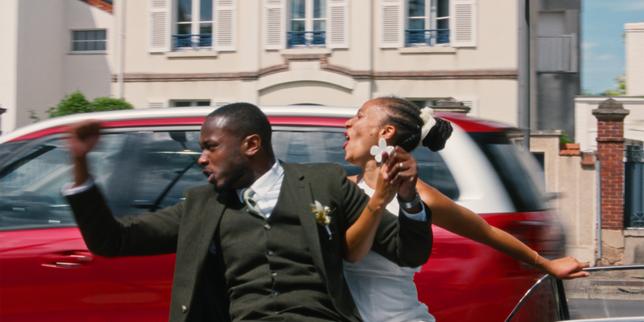
The polished tiara is losing its luster in the backyards of Beverly Hills and the lofts of Silver Lake. For decades, the high-end children’s birthday circuit in Los Angeles followed a predictable, lucrative script: hire a performer in a synthetic gown, play a soundtrack of power ballads, and let the kids bask in the glow of a sanitized fairy tale. That era is over. The "K-Pop Demon Hunter" has arrived, a hyper-kinetic, streetwear-clad alternative that blends South Korean idol culture with high-stakes interactive theater. This is not just a change in costume. It is a fundamental shift in how the industry monetizes childhood play, replacing passive admiration with high-octane participation and professional-grade choreography.
Parents are now shelling out three times the standard rate for a "Princess" to bring in troupes that teach synchronized dance routines and stage mock battles against supernatural threats. It is a grueling, specialized niche of the gig economy that demands performers be triple threats—trained dancers, martial artists, and bilingual entertainers who can maintain the illusion of a global pop star under the scrutiny of six-year-olds with iPhones.
The Economics of Hyper-Niche Entertainment
The business model for children’s parties used to rely on volume. A talent agency would maintain twenty identical "Ice Queens" and rotate them through three-hour slots across the county. The K-Pop Demon Hunter phenomenon has broken that scale. Because the performance requires specific skills—namely the ability to execute complex choreography while managing "combat" sequences—the talent pool is shallow.
Demand is driven by a generation of parents who grew up on anime and global pop. They view the traditional princess trope as dated, or even slightly regressive. These parents want their children to see themselves as active protagonists rather than waiting subjects. By rebranding the entertainer as a "Demon Hunter," agencies have successfully merged the massive global appeal of K-Pop with the evergreen popularity of superhero narratives.
Booking fees reflect this intensity. While a standard character performer might command $200 for an hour, these specialized troupes often start their packages at $800. The overhead is significant. Costumes aren't just dresses; they are technical gear designed for high-impact movement. The "demon" performers—often stunt actors looking for weekend work—require separate insurance riders and specialized training to ensure they can take a "hit" from a sugar-crazed child without breaking character or causing an injury.
Why the Fairy Tale Narrative Failed
The decline of the traditional party character can be traced back to the rise of social media. Children today are sophisticated consumers of digital content. They see the production value of real music videos and the athleticism of professional performers. A static performer in a wig singing to a backing track no longer passes the "vibe check."
The Active Participation Pivot
In the K-Pop Demon Hunter model, the child is the trainee. The performance begins with "idol training," where the birthday child and their guests are taught specific movements that later serve as the "spells" or "attacks" used to defeat the antagonist. This creates a psychological buy-in that a simple story-time session cannot match.
The kids aren't watching a show. They are the show. This reflects a broader trend in the entertainment industry where the line between audience and creator is blurred. If you can’t make it go viral on a parent’s Instagram story, it didn’t happen. The Demon Hunter aesthetic—neon lights, tactical vests, and heavy bass—photographs significantly better than the pastel palettes of the 2010s.
The Global South Influence
We are seeing the results of a decade of cultural osmosis. The aesthetic of Seoul has replaced the aesthetic of Burbank. This isn't just about music; it's about a specific brand of "cool" that is gritty yet polished. The "Demon Hunter" aspect draws heavily from Manhwa (Korean comics) and the specific visual language of "Dark K-Pop" concepts. It offers an edge that Disney-adjacent properties purposefully avoid.
The Labor Crisis Behind the Glitter
While the parties look like high-budget productions, the labor reality is taxing. The performers are often young dancers or aspiring idols themselves. The physical toll of performing three high-energy sets in the L.A. heat is immense. Unlike a princess who can sit and "hold court," a Demon Hunter is in constant motion.
The burnout rate is astronomical. Agencies are struggling to keep talent because the requirements are so specific. You need someone who can hit every beat of a Blackpink or BTS-style choreography while also improvising a storyline about an interdimensional rift in a backyard in Pasadena. If the performer misses a step or loses their "cool" factor, the illusion shatters instantly.
The Liability of Live Action
When you introduce "combat" into a backyard setting, the legal stakes rise. Most agencies have strict "no-touch" policies, but keeping twenty children from actually trying to tackle a "demon" is a logistical nightmare. This has led to the rise of "Party Handlers"—unseen staff members who manage the crowd and ensure the safety of the performers. It’s a level of production management usually reserved for film sets, now compressed into a residential patio.
The Cultural Divide in the Cul-de-Sac
There is a growing tension between the old guard of "safe" entertainment and this new, aggressive style. Some parents find the "demon" imagery too intense for younger children. Others argue that the focus on "idol training" places too much pressure on kids to perform and look "cool" rather than just playing.
However, the market doesn't lie. The waitlists for these troupes are months long. The industry is responding by pivoting away from licensed characters—which carry the risk of copyright infringement lawsuits—toward these original "concepts." By owning the intellectual property of the "Demon Hunter" universe, these local agencies are insulating themselves from the legal reach of major studios.
The Shift in Performance Pedagogy
The way these entertainers interact with children has changed. The "soft" voice of the storybook character is gone. In its place is the "mentor" persona. They speak to children as peers or subordinates in a mission. This shift in power dynamics is deeply appealing to kids who spend most of their lives being talked down to by adults.
This "mentor" role allows for a more flexible interaction. If a child is shy, the Hunter encourages them as a "new recruit." If a child is hyperactive, that energy is channeled into "combat training." It is a more sophisticated form of crowd control that uses the narrative to manage behavior.
Equipment and the Arms Race of Immersion
The gear has evolved beyond the prop trunk. We are now seeing the use of portable fog machines, synchronized LED wristbands for the guests, and high-fidelity sound systems that can rumble a suburban block.
- LED Weaponry: Custom-built "spirit blades" that change color based on the music.
- Audio Triggers: Performers use small, hidden remotes to trigger sound effects for their "attacks," creating a live-action video game feel.
- Holographic Accents: Some high-end packages now include mesh screens for rudimentary hologram projections of "ghosts" or "demons."
This technological escalation is pricing out smaller, independent performers. The "mom and pop" party planners are being replaced by boutique entertainment firms that operate like mini-production houses.
The Death of the Passive Observer
The ultimate takeaway from the rise of the K-Pop Demon Hunter is that the age of the passive child observer is dead. Children who grow up with the world at their fingertips via tablets do not want to be lectured or sung to; they want to be integrated. They want their physical reality to match the intensity of their digital one.
The industry is currently in a gold rush. Every small agency in Southern California is trying to find their own version of the "Hunter" concept. Some are leaning into "Cyberpunk Ninjas," others into "Galactic Rebels." But they all share the same DNA: high energy, high production, and a total rejection of the "happily ever after" passivity.
The princess isn't dead, but she's being forced to trade her gown for combat boots. Those who can’t make the transition are finding their calendars increasingly empty, while those who can dance, fight, and "slay" are the new kings of the birthday circuit.
The next time you hear heavy bass and see a group of children doing perfectly timed "finger guns" at a man in a monster mask, realize you aren't just seeing a party. You are seeing the new standard for an industry that has finally realized that in the modern world, even a seven-year-old would rather be a hero than a spectator.
Stop trying to sell a dream they can watch on a screen. Start selling a battle they can win in person.