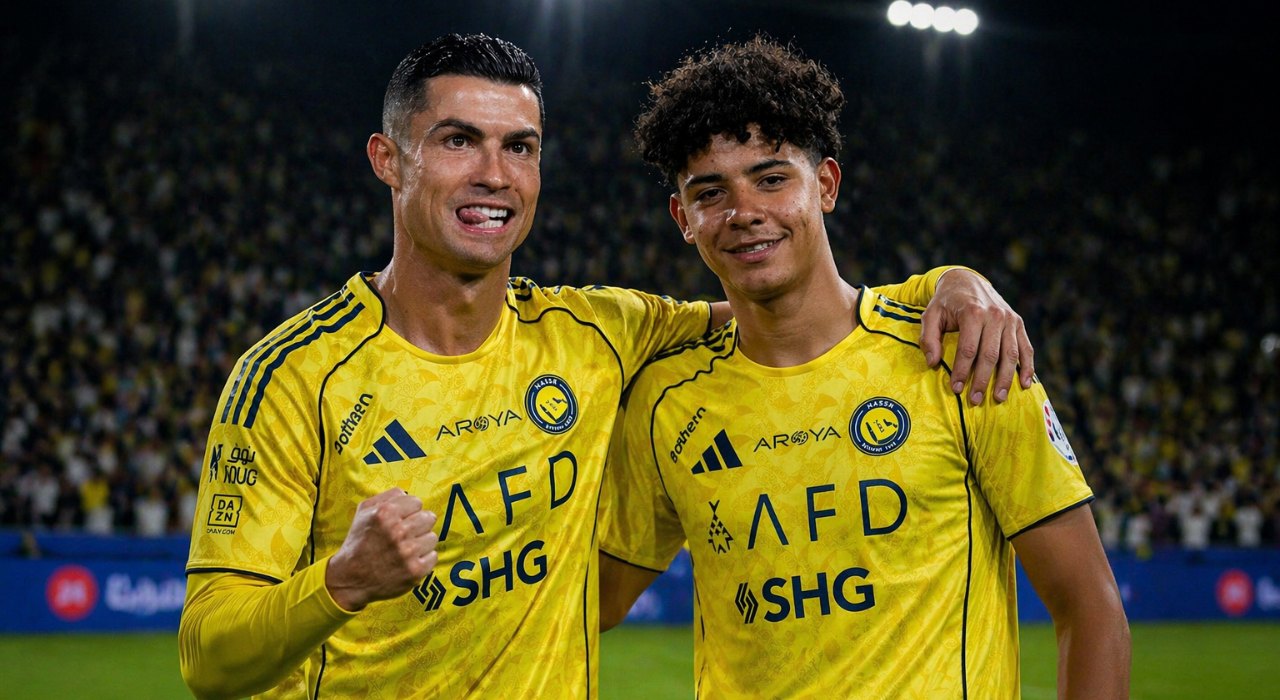
Manchester United captain Bruno Fernandes didn't sign his new contract because he thought the club was perfect. He signed it because he's a dreamer who believes in the impossible. When you look at the Premier League table right now, seeing United sitting in third place feels like a fever dream for most fans who suffered through the chaotic start to the season. Bruno admits he didn't see this coming either. At least, not this fast.
The Portuguese playmaker has been the heartbeat of Old Trafford since he arrived from Sporting CP. He's seen the highs of late winners and the crushing lows of being told the club is "rebuilding" for the fifth time in a decade. People asked him why he stayed. They asked why he didn't jump ship when the "struggling" label became a permanent fixture in the headlines.
He stayed because he wants to be part of the solution, not another name on the list of players who gave up.
The Reality of the Manchester United Struggle
The term "struggling" gets thrown around a lot in sports. For most clubs, it means fighting relegation. For United, it means not winning the league. That weight is heavy. Bruno Fernandes felt that weight more than anyone else. He's the guy who covers every blade of grass, the one who complains to the ref when things go south, and the one who bears the brunt of the criticism when the team fails to click.
During the darkest patches of the last few seasons, the noise outside the club was deafening. Critics said the project was dead. They said the squad was a collection of overpaid individuals with no cohesive plan. Bruno heard it all. He knew the team wasn't performing at the level required for a club of this stature. Yet, he chose to double down.
You have to understand the mentality of a player like Bruno. He isn't looking for the easiest path to a trophy. If he wanted that, he could have pushed for a move to a team where he’d just be another cog in a well-oiled machine. Instead, he chose to be the engine of a machine that needed a total overhaul. That's a specific kind of arrogance—the good kind. The kind that says, "I can fix this."
Why Third Place Surprised Even the Captain
Being in third place isn't the end goal for Manchester United. We know that. Bruno knows that. But given where the club was mentally and tactically just months ago, it’s a massive shift. The captain himself was candid about his expectations. He knew the quality was there, but the consistency was a massive question mark.
- The defensive structure was leaky.
- The midfield often lacked a clear identity.
- The pressure of Old Trafford was suffocating the younger players.
Turning that around requires more than just tactics. It requires a shift in culture. Bruno credited the collective effort for this sudden climb. It wasn't just about one or two players hitting form. It was about a group of people finally pulling in the same direction. He didn't expect the results to manifest this quickly because football is usually a slow burn. Sometimes, though, things just click.
When you look at the stats, Bruno’s influence is undeniable. It's not just the goals or the assists. It's the "progressive passes" and the "expected assists" ($xA$) that show he’s constantly trying to break lines. He’s the risk-taker. In a team that was playing scared, he was the one willing to lose the ball if it meant a 10% chance of creating a clear opening.
The Loyalty Factor in Modern Football
Loyalty is a rare currency in the 2026 football landscape. Players move for better wages, better weather, or a better chance at a Champions League medal every single window. Bruno Fernandes staying at United when they were at their lowest point says something about his character. It’s not just about the contract or the captain's armband. It’s about the feeling of unfinished business.
He talked about the conversations he had with the hierarchy. He wanted assurances that the club was serious about winning. He didn't want to be the face of a marketing brand; he wanted to be the captain of a football team.
The struggle wasn't just about losing games. It was about losing the identity of the club. By staying, Bruno signaled to the rest of the dressing room that the "rebuild" wasn't a myth. It was a reality they had to build together. That kind of leadership is hard to quantify, but you see it in the way the younger players look to him when the pressure is on.
Managing Expectations Moving Forward
It's easy to get carried away when you're sitting in third. Fans start talking about title races. Pundits start wondering if the "glory days" are back. Bruno is the first to pour cold water on that fire. He’s seen how quickly things can turn. One bad week and the "struggling" tag is back in the headlines.
The focus now shifts from "climbing the table" to "staying there." That's a different kind of pressure. It’s the pressure of expectation. For a player who thrives on being the underdog or the fighter, this is the next evolution of his career at United. He has to lead a team that people now expect to win every week.
Breaking Down the Performance Shift
So, what actually changed? How did a team that looked lost find themselves in the top three?
- Tactical Discipline: There's a clear plan now. Players know where they need to be when they lose the ball.
- Midfield Balance: The arrival and emergence of complementary players allowed Bruno to stay higher up the pitch where he is most dangerous.
- Mental Resilience: They don't crumble after conceding anymore. There's a grit that was missing for years.
Bruno’s role in this has been to act as the bridge between the manager’s ideas and the execution on the pitch. He's the guy barking orders, adjusting the press, and making sure the intensity doesn't drop. He’s basically an extension of the coaching staff with a wicked right foot.
The data supports this. If you look at the distance covered per 90 minutes, Bruno is consistently at the top. He isn't just a "luxury" number ten. He's a workhorse. That work rate is infectious. When your captain is sprinting in the 85th minute to track back, you can't exactly stand around with your hands on your hips.
What This Means for the Future of the Club
The fact that United is third right now is a testament to the foundation being laid. Bruno Fernandes is the cornerstone of that foundation. His decision to stay wasn't a financial one; it was a legacy one. He wants to be remembered as the captain who led United back to the top.
The road ahead is still long. Rival clubs are spending big, and the margin for error is non-existent. But for the first time in a long time, there is a sense of genuine optimism around Carrington. It’s not the fake "new season, new me" optimism. It’s the earned confidence of a team that has survived the fire and come out stronger.
If you're watching United this season, don't just watch the scoreline. Watch Bruno. Watch how he demands the ball when things get tense. Watch how he organizes the press. That’s the real reason they aren't struggling anymore. It’s because their leader refused to accept anything less than progress.
Stop waiting for the "perfect" moment to support the direction of the club. The progress is happening in real-time. Look at the defensive metrics and the transition speed compared to last season. The improvement is measurable. If you want to see where this team is going, look at the intensity of the midfield press in the first twenty minutes of the next match. That’s where the games are being won.