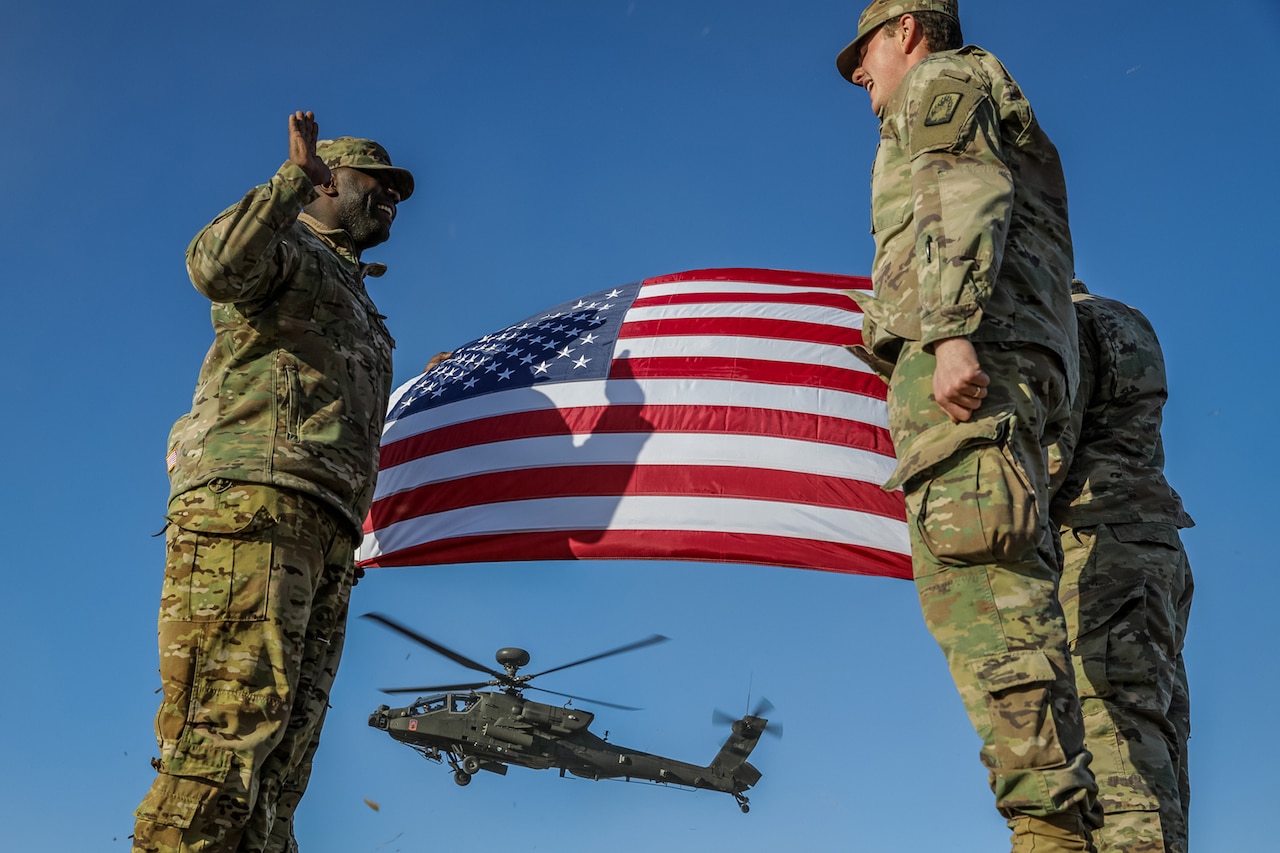
Dawn in the peninsula smells of damp earth, frozen pine, and the faint, persistent tang of jet fuel drifting across the razor wire. For decades, soldiers on both sides of the 38th Parallel have woken to the same metronomic rhythm: boots hitting concrete, diesel engines coughing to life in concrete bunkers, and the low, heavy thrum of alliance overhead.
It is a choreography born of fire. Seventy years after the armistice stopped the bloodshed but left the wound open, the United States and South Korea have rehearsed their defense with a terrifying, reassuring regularity. Giant joint military exercises—names like Ulchi Freedom Guardian and Foal Eagle—were never mere games. They were ironclad declarations written in steel and smoke, broadcast across continents to signal an unyielding promise: We are here. You are not alone.
Then came a quiet dispatch from across the Pacific, delivered with the casual finality of a stroke of a pen.
Orders had changed. The Pentagon was told to scale back. Not because the terrain had shifted, not because the artillery batteries pointing south from the hills of Kaesong had grown silent, but because of a ledger entry thousands of miles away, balanced on an entirely different continent.
Consider what happens when grand strategy collides with transactional diplomacy.
To understand the weight of an executive order to downsize military readiness, you have to stand in a command post when the lights flicker. You have to look into the eyes of a young infantry commander whose grandfather fought in the Mud Flat battles, knowing that the battalion's annual live-fire training has just been quietly scrubbed from the calendar or downgraded to a computer simulation.
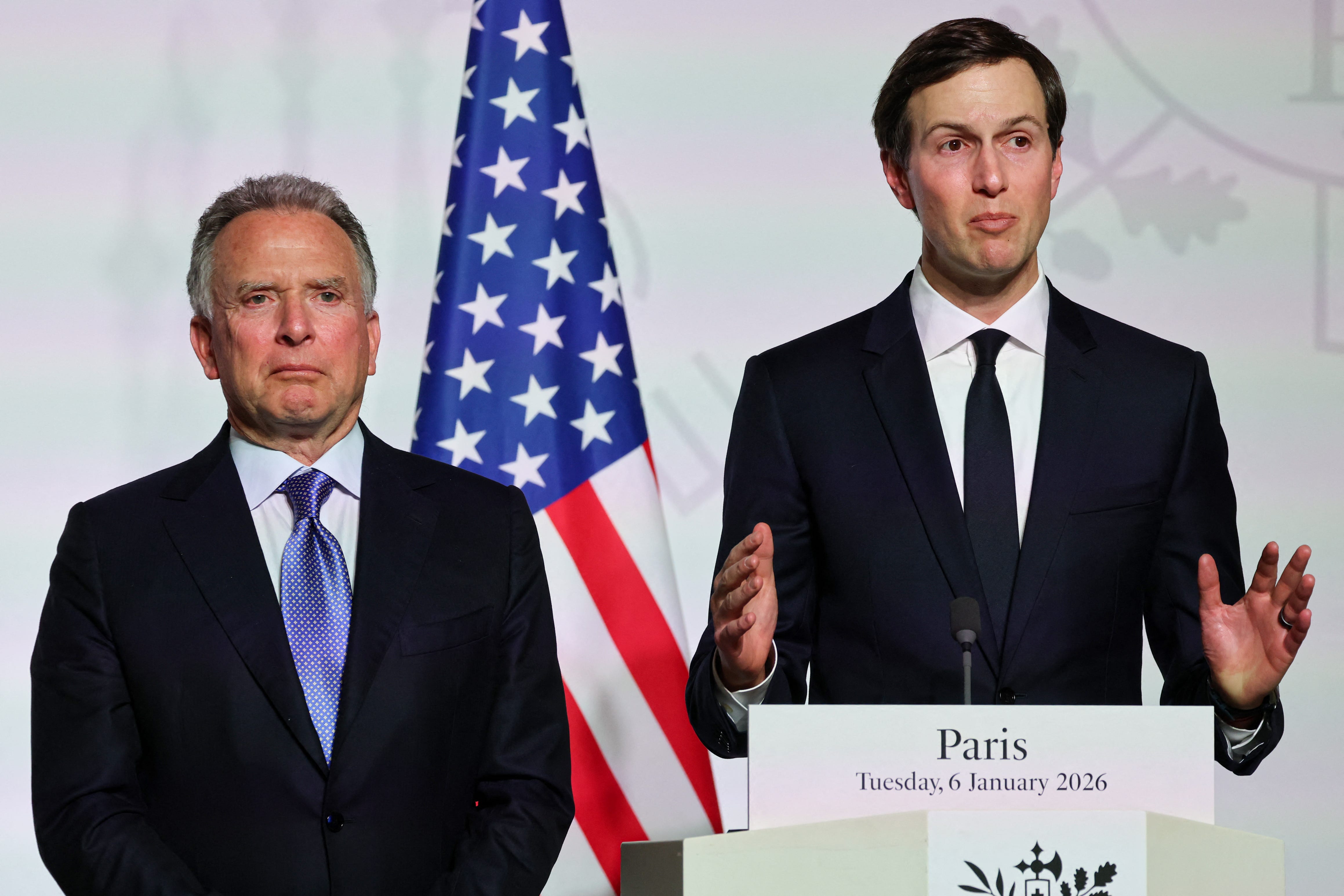
The rationale offered from Washington was blunt, stripped of diplomatic velvet. The alliance, in the view of the executive, was a two-way street of mutual accommodation. If Seoul, sovereign and prosperous, could not or would not step into the diplomatic furnace of the Middle East—specifically, if it declined to join a maximum-pressure campaign aimed at forcing Iran back to the negotiating table over its nuclear ambitions—then the ledger had to be balanced elsewhere.
Quid pro quo.
It is a phrase as old as politics, but applied to military deterrence, it sounds less like diplomacy and more like a high-stakes poker game played with national survival as the chips.
Let us be honest about the mechanics of power. Alliances are rarely held together by pure altruism. They are forged in mutual self-interest, cemented by shared values, and maintained through constant, exhausting maintenance. When you pull on one thread of a global security architecture, you do not simply loosen a knot; you risk unraveling the entire tapestry.
Seoul found itself caught in an agonizing diplomatic vice. On one side stood a vital economic partner nestled in the Persian Gulf, a critical artery for the oil that keeps South Korean factories humming and cities lit. On the other stood the irreplaceable security guarantor whose twenty-eight thousand five hundred troops on the ground serve as a human tripwire against northern aggression. To commit resources to a distant Middle Eastern standoff meant burning bridges with energy suppliers and inviting severe regional complications. To demur meant drawing the ire of an unpredictable ally in Washington.
They chose caution. Washington chose leverage.
We talk about defense posture as if it were a digital toggle switch—something you can flip on and off from an air-conditioned room in Washington.
It is not. It is muscle memory.
In a simulated war room, commanders can push digital icons across a glowing screen with clinical precision. Tanks roll across pixels; infantry divisions hold imaginary ridges. But real deterrence is forged in the dirt. It lives in the chaotic friction of thousands of American and South Korean troops communicating across language barriers, moving real heavy armor through narrow mountain passes, and synchronizing logistics under simulated chemical attack.
When those exercises are canceled, scaled back, or relegated to computer terminals, something vital evaporates. Trust erodes. The muscle memory stiffens.
Down in the trenches, the psychological impact is immediate. A soldier does not calculate geopolitical leverage coefficients; they look to their left and right to see who is standing with them. If the partner nation looks uncertain, if the joint drills that have defined readiness for generations are suddenly treated as negotiable bargaining chips, doubt creeps in. And in the shadowy calculus of deterrence, doubt is a toxic asset.
The irony of the directive was lost on few historians. The justification for curtailing the exercises was tied to Iran's nuclear program—an attempt to coerce cooperation thousands of miles away by leveraging a shield designed to deter a completely different nuclear adversary on the Korean peninsula. It was an exercise in cross-purposed coercion, using the security of Seoul as currency to buy leverage in Tehran.
Step back for a moment and look at the broader pattern. We live in an era where alliances are increasingly viewed through the cold lens of a corporate balance sheet. Who pays for the bases? Who buys the defense contracts? Who bends the knee on unrelated trade disputes?
There is a crude logic to it, appealing to those who believe that foreign policy should run like a profitable enterprise. But national security is not a storefront. It is an insurance policy against catastrophe. When you start canceling the fire drills because you are unhappy with the customer's behavior in another department, you do not save money; you invite the fire.
The commanders in Seoul and the strategists in the Pentagon knew this, even if they could not say it out loud. Behind closed doors, career diplomats scrambled to soften the blow, turning large-scale field maneuvers into smaller, compartmentalized unit trainings, desperately trying to preserve the operational spine of the alliance without openly defying the commander-in-chief. They sought to keep the engine running while pretending the fuel lines weren't leaking.
Yet the message had already been sent. Capitals from Beijing to Pyongyang watched closely. They noted the friction. They measured the distance that had opened up between the partners. In the ruthless logic of geopolitics, division is an invitation.
The sun sets over the Han River, painting the skyscrapers of Seoul in shades of bruised orange and deep violet. Across the river, millions of people go about their evening lives—eating street food, riding the subway, arguing about pop music—shielded by an invisible architecture of deterrence that they rarely have to think about.
That architecture is quieter now than it was a few years ago. The tracks left by heavy armor are fewer; the skies roar less often with the thunder of joint air patrols.
The ledger was balanced. The point was made. But out there in the cold mountain passes, where the wire meets the dark, the shield is just a fraction lighter than it used to be. And the wind blowing down from the north is as bitter as ever.