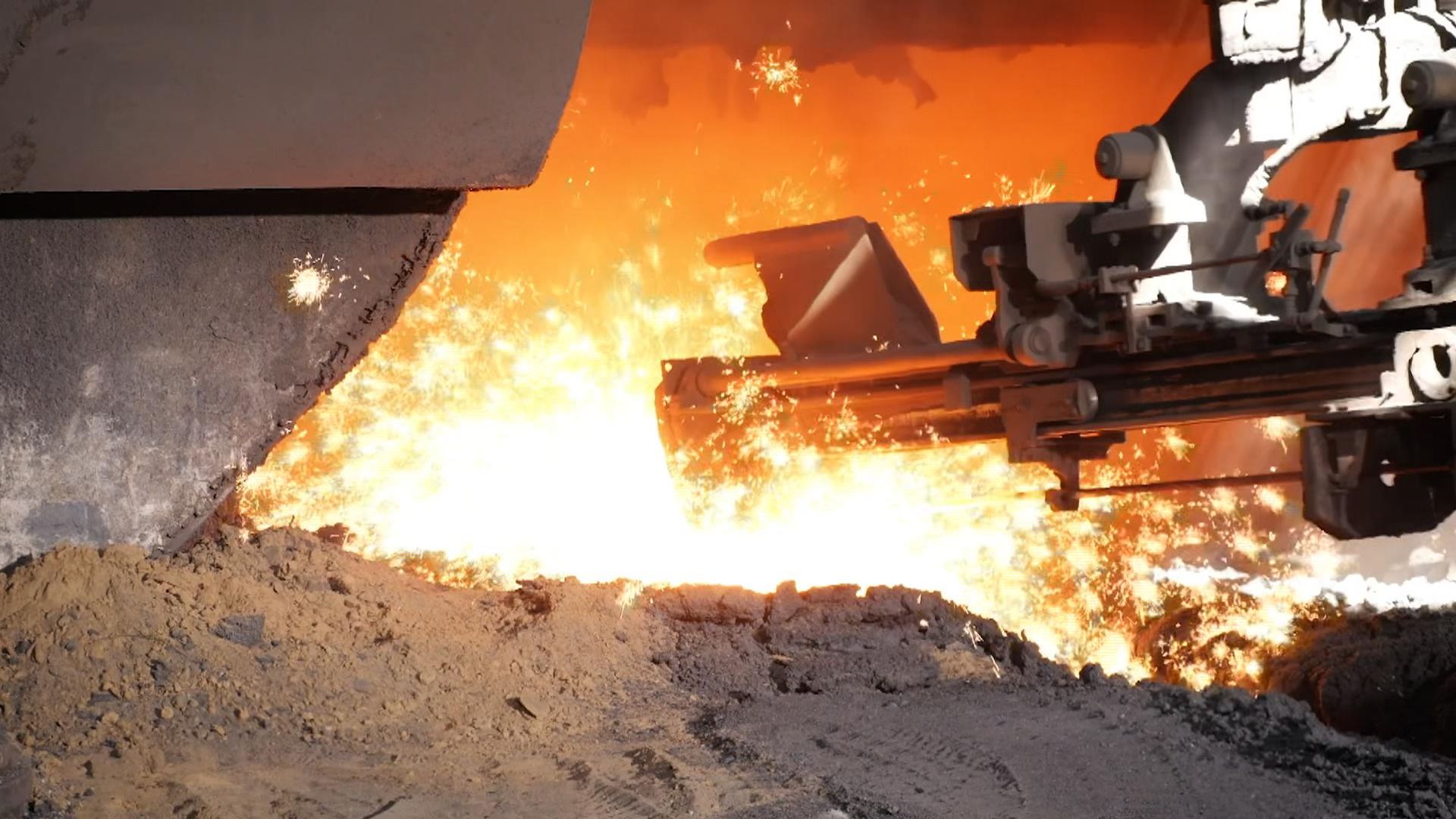
The corporate crying rooms are officially open. Today, July 1, 2026, marks the arrival of the UK’s radical new steel trade framework. Out goes the old 25% safeguard cushion; in comes a slashing 51% reduction in duty-free import quotas and a draconian 50% penalty tariff on anything that crosses the line.
Predictably, the downstream manufacturing lobby is throwing a collective tantrum. Stockholders, fabricators, and procurement directors are flooding the trade press with apocalyptic predictions. They claim these measures will strangle British engineering, cause critical supply chain failures, and price UK infrastructure out of the market. Meanwhile, you can find related events here: The Unexpected Shift in the Global Power Balance.
They are entirely wrong.
The mainstream panic over these tariffs relies on a lazy, superficial consensus that treats cheap foreign steel as a baseline economic right. It is not. The old quota system was not a free-market paradise; it was an artificial subsidy for structural inefficiency. For over a decade, UK metal buyers have coasted on foreign overproduction, ignoring the systemic risks building right outside their warehouse doors. To see the full picture, we recommend the recent article by Investopedia.
This new 50% tariff cliff-edge is exactly the shock therapy the UK industrial base requires. It forces an end to a toxic reliance on dumped, high-carbon foreign steel and forces businesses to adapt to the hard realities of the global supply chain.
The Downstream Death Spiral Is a Myth
The central argument against the new measures is simple but flawed: if you restrict imported steel, domestic manufacturing collapses under the weight of inflated input costs. This narrative assumes that British manufacturers can only compete globally if they buy raw materials at prices artificially depressed by overseas state subsidies.
If your business model depends entirely on purchasing underpriced hot-rolled coil from heavily subsidized blast furnaces half a world away, you do not have a sustainable business. You have a structural arbitrage play disguised as an engineering firm.
Consider the baseline mathematics of a typical mid-sized UK structural fabrication shop. Raw steel accounts for roughly 30% to 40% of the total cost of a fabricated structural component. The remaining 60% to 70% is driven by domestic design, precision machining, labor, energy, transport, and regulatory compliance.
Imagine a scenario where an importer misses a quota window in Quarter 1 and incurs the full 50% penalty on a batch of non-alloy merchant bars. The raw material cost spikes, but when blended across the entire production cycle, the total project cost increases by less than 15%. In a market where high-value engineering, delivery speed, and structural integrity dictate contract wins, a 15% swing on a raw commodity input is not fatal. It is a margin squeeze that can be absorbed through operational optimization, automation, and better procurement planning.
The downstream lobby acts as if the UK market is being completely cut off from international supply. It is a fundamental misreading of the policy. The tariff-rate quota framework does not ban imports. It caps the volume allowed to enter duty-free to align with domestic production capabilities. Importers who manage their supply chains intelligently, use the first-come, first-served daily allocation model effectively, and utilize the 40% per-country cap rules will still secure tariff-free material. The 50% tariff is not a standard tax; it is a penalty for poor planning and reckless sourcing.
The Global Overcapacity Mirage
To understand why this protectionist wall is necessary, look at the macroeconomic data. The Organisation for Economic Co-operation and Development (OECD) projects that the gap between global steelmaking capacity and global demand will reach a staggering 721 million metric tonnes by 2027. This is not a functioning, balanced market. It is a structural deluge of excess supply, largely driven by state-backed mills in Asia operating outside market forces.
When major economic zones like the United States and the European Union tighten their trade perimeters—as both have done aggressively heading into mid-2026—that ocean of excess steel does not simply vanish. It seeks the path of least resistance. It targets open, poorly protected economies.
Without this drastic intervention, the UK would become the dumping ground of last resort for the world’s excess metallurgy. If a foreign mill is willing to dump cold-rolled sheets into the Midlands at a price below the cash cost of production just to maintain local employment levels back home, that is predatory trade. Relying on that steel is economic suicide for a nation trying to maintain a domestic industrial base.
Critics point out that the UK currently lacks the capacity to manufacture certain highly specialized grades due to recent domestic restructuring, such as the transition toward electric arc furnaces at major sites like Port Talbot and Scunthorpe. They claim the government is protecting a domestic industry that cannot even fulfill the order books.
This ignores the structural intent of the policy. The framework explicitly links quota reductions to steel products that can be made in the UK. Where gaps exist, the mechanism allows for authorized-use schemes and commodity code carve-outs. Industry bodies like UK Steel have already proposed adjustments to remove specific codes where domestic capacity is genuinely zero. The policy is a scalpel, not a sledgehammer, despite the hysterical rhetoric coming from downstream distributors.
Cheap Steel Is an Environmental Lie
The hidden hypocrisy of the anti-tariff argument lies in sustainability. Most UK manufacturing executives love to talk about their net-zero targets and corporate social responsibility goals. Yet, the moment a trade policy forces them to look at the carbon footprint of their supply chain, those principles evaporate.
The cheap imported steel that stockholders are fighting to protect is frequently produced via coal-heavy basic oxygen furnace (BOF) pathways in countries with weak environmental regulations. Shipping thousands of tonnes of high-carbon steel across oceans, only to use it in a British construction project while claiming the project is green, is accounting theater.
The UK steel sector is undergoing a massive, painful capital expenditure transition toward low-carbon electric arc furnace (EAF) production. This shift requires hundreds of millions of pounds in investment, backed by state support packages like those outlined in the March Steel Strategy. EAF production relies on scrap metal and electricity, yielding a fraction of the carbon emissions of traditional blast furnaces.
However, EAF steel cannot compete on pure price with unmitigated, high-carbon foreign steel in a completely unprotected market. Electricity costs for UK heavy industry, though recently reduced to roughly £86/MWh via the British Industry Supercharger scheme, remain higher than in many developing export markets.
If the government permits the uninhibited dumping of foreign carbon, the domestic transition to clean steel will fail before the new furnaces are even built. Capital will flee the country. The 50% tariff is an essential protective canopy that allows domestic mills to build out green production capacity without being undercut by foreign carbon polluters. You cannot demand green manufacturing and cheap, unmitigated foreign carbon simultaneously. Choose one.
The Hard Realities of Sourcing
For decades, UK steel procurement has been lazy. Stockholders and fabricators have treated steel like a pure spot-market commodity, ordering material on short lead times from whichever global trader offered the lowest price per tonne. This transactional mindset is the root cause of the current panic.
The new quarterly quota allocations—divided into strict three-month tranches running from July 1 to September 30, and so on—mean that spot-market reliance is dead. If you wait until mid-quarter to source your material, you will find the duty-free allocations exhausted, leaving you staring directly at a 50% markup.
Smart operators have already pivoted. They are abandoning the spot market and moving toward long-term, integrated supply agreements with domestic producers or secure international partners who can guarantee quota availability. They are auditing their bills of materials, tracking the exact country of origin for every component, and building buffer stocks.
Yes, this requires more working capital. Yes, it complicates inventory management. But this is what a resilient supply chain looks like. The era of frictionless, ultra-cheap global sourcing is over, ended not just by UK policy, but by geopolitical fragmentation worldwide. The companies screaming the loudest today are simply the ones who failed to read the writing on the wall over the last two years.
Realigning the Value Chain
The primary argument found in mainstream trade publications focuses on the immediate pain felt by middlemen: the stockholders and service centers. They argue that their margins are under unprecedented pressure and that they cannot pass these costs onto fixed-price construction contracts.
This is an accurate observation of a bad business practice. Writing long-term, fixed-price contracts for downstream deliverables without including material price escalation clauses is reckless procurement. The steel market has been highly volatile since 2020. Anyone signing a multi-year infrastructure supply contract without a mechanism to account for tariff changes or market shifts is gambling, not managing a business.
The structural pressure introduced by the new tariff regime will force a long-overdue consolidation of the UK steel distribution sector. It will eliminate speculative middlemen who add little value beyond importing cheap material and marking it up. The survivors will be those who integrate deeper into the supply chain, offer advanced processing capabilities, and form ironclad partnerships with domestic primary producers.
This policy aligns the entire value chain. By forcing downstream buyers to source locally or pay a premium, it creates a predictable, captive demand pool for domestic mills. This guaranteed demand is what justifies the massive investments needed to modernize UK manufacturing infrastructure. It ensures that when offshore wind developers apply for clean industry bonuses, or when national defense projects source material, they are using steel rolled by British workers, powered by an increasingly clean domestic grid.
The Actionable Mandate
Stop waiting for the government to weaken these rules. The transitional exemptions for contracts signed before March 14, 2026, are a brief, three-month grace period that expires on September 30. There will be no permanent retreat. The structural shifts occurring across the global trade environment mean that economic isolationism and industrial defense are the dominant realities of this decade.
If you operate in the UK manufacturing or construction sectors, your mandate is clear:
- Execute an Immediate Commodity Code Audit: Do not rely on your logistics providers to correctly classify your imports. Under a 50% tariff regime, a single classification error under the tariff-rate quota categories can instantly erase the profitability of an entire project.
- Redesign Procurement Contracts: Every new contract must include explicit raw material indexation and tariff-exposure clauses. The risk of quota exhaustion must be shared equitably between the supplier, the fabricator, and the end client.
- Prioritize Domestic Supply Integration: Treat domestic steel producers not as a backup option when imports fail, but as core strategic partners. Build relationships that guarantee volume commitments, even if the upfront per-tonne price is slightly higher than historical spot-market imports.
The crying will continue for a few quarters as inefficient operations are squeezed out of the market. But when the dust settles, the UK will be left with a leaner, more resilient, and environmentally viable industrial ecosystem. The 50% tariff isn't a crisis. It is the end of an illusion. Get over it and adapt.