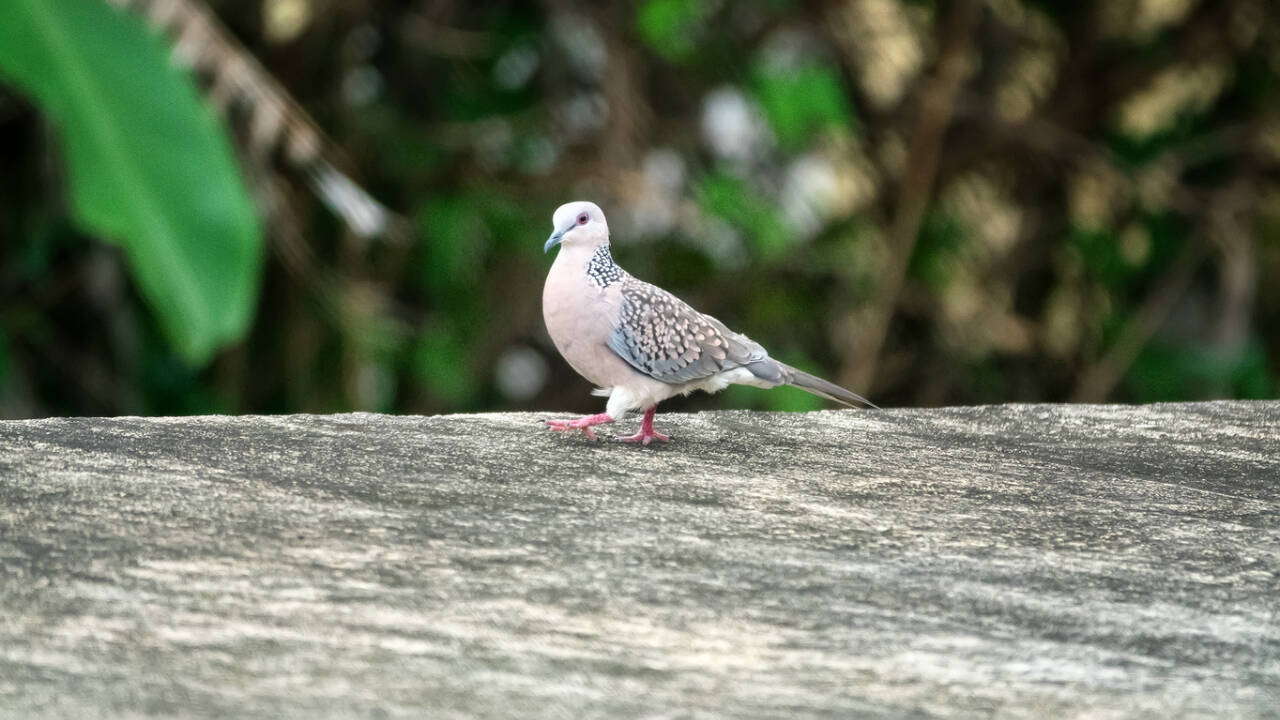
You’ve probably sung about them in holiday carols, but chances are you’ve never seen a wild British turtle dove. They vanished from most of the countryside decades ago.
Since the 1960s, Britain's turtle dove population plummeted by a staggering 98 percent. Intensive farming stripped away their favorite foods like fumitory and wild seeds, while long migration routes exposed them to heavy hunting pressure across southern Europe. They became the UK's fastest-declining bird species, teetering on the absolute edge of extinction. Read more on a connected issue: this related article.
Then came a small batch of birds in Hampshire that changed the tone of the conversation entirely.
Thirty Birds and a Beacon of Hope
Conservationists released thirty captive-bred European turtle doves into the South Downs National Park around the Selborne area, historic home of the legendary naturalist Gilbert White. Thirty birds sounds like a drop in the ocean when millions used to darken the skies. Yet, ecology rarely moves in straight lines. More reporting by BBC News delves into related perspectives on this issue.
Barely after taking flight into the Hampshire scrubland, an encouraging milestone materialized. Wildlife officials reported that at least one of the released females returned to an enclosure area and laid eggs.
That single nest proves something crucial. The birds aren’t just surviving the transition from captivity to the wild; they're engaging in natural behaviors immediately. It is a tiny, fragile victory, but it breathes life into a recovery effort that desperately needed a win.
What’s Actually Causing the Rebound
Releasing birds without changing the landscape is a waste of time and money. Conservation groups like the RSPB, Natural England, and regional trusts realized years ago that they had to fix the habitat first.
If you want turtle doves to stay, you have to feed them properly. That means reshaping modern agricultural habits.
- Planting specialized wildflower seed mixes alongside crop tracks.
- Leaving early summer stubbles uncultivated so birds can forage for small seeds.
- Restoring farm ponds with shallow, sloping edges for safe drinking access.
- Allowing hedges to grow thick, tall, and untamed for safe nesting cover.
Farmers across East Anglia and the southeast have stepped up. Hundreds of landowners now manage patches of land specifically tailored for these secretive migrants. Even estates managed by King Charles have turned into safe havens, cultivating wild spaces and breeding environments to fuel the comeback.
The Long Journey Ahead
Getting birds to breed in Hampshire is only half the battle. These creatures are true globetrotters.
When autumn cools the British air, surviving turtle doves embark on a grueling 3,000-mile migration across Europe and the Mediterranean down to sub-Saharan Africa. They face predators, harsh weather, and illegal shooting along Mediterranean flyways. Those that make the round trip face another hurdle upon returning to UK shores in the spring.
Conservation isn't a quick fix. It's a grinding, multi-year commitment.
Organizers aren't stopping with the initial spring cohort. Plans are already underway to release another one hundred birds into the wild, scaling up the pressure to rebuild a self-sustaining wild population. Public reporting plays a massive part here too. Everyday walkers, birdwatchers, and rural locals act as citizen scientists, logging sightings on conservation websites to help researchers track movement patterns and survival rates.
Watch your local hedges if you live in southern England. The soft, distinctive purring of Europe's only migratory dove might just be returning to an oak tree near you.